The Future of Wellness: Why CKM Syndrome Changes Everything

The Future of Wellness: Why CKM Syndrome Changes Everything
Forget treating symptoms in isolation! Discover why your heart, kidneys, and metabolism are deeply linked, and how a holistic approach to CKM syndrome is revolutionizing preventive health.
Ever feel like doctors are treating different parts of you in isolation? That's changing, and it's a huge step forward for your health. We're seeing a critical shift in how we understand well-being, moving from treating symptoms one by one to recognizing the profound interconnectedness of our bodies.
Why 'It's All Connected' Is the New Truth
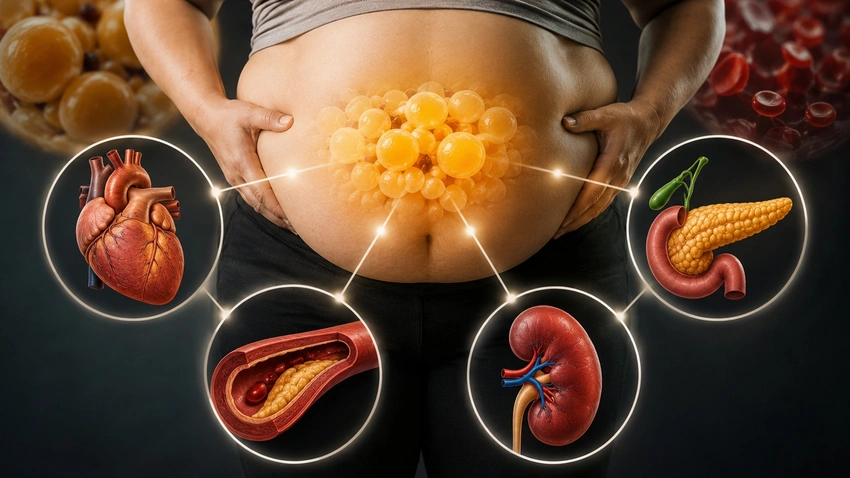
It's a vital realization. As Chiadi E. Ndumele, M.D., Ph.D., M.H.S., FAHA, who directs obesity and cardiometabolic research at Johns Hopkins School of Medicine in Baltimore, recently put it, “Heart, kidney, and metabolic conditions don't occur in isolation - they are deeply connected.” This insight underpins the concept of CKM syndrome, a newly recognized condition that truly shows how intimately related the heart, kidneys, and metabolism are.
For too long, we've tackled issues like obesity, diabetes, high blood pressure, and kidney disease as separate battles.
But experts are now highlighting that these conditions are not just co-occurring; they're intricately linked, creating a dangerous cascade if not addressed holistically.
Dr. Parin Sangoi, a consultant interventional cardiologist, underscores this perfectly: “Issues like obesity, diabetes, high blood pressure, and kidney disease are connected and do not happen in isolation.
When one system is affected, it often puts stress on the others.”
The Cascade Effect: Understanding CKM Syndrome
Think about it. If you have high blood pressure, it impacts your heart. But it also strains your kidneys.
If you have pre-diabetes or Type 2 diabetes, that doesn't just affect your blood sugar; it can lead to heart disease and kidney damage. Dr. Aseem Thamba, a consultant nephrologist and kidney transplant physician, explains that CKM syndrome highlights this “strong connection between heart disease, kidney disease, diabetes, obesity, and metabolic disorders.” These conditions often develop together and can worsen one another over time.
For example, he notes that
uncontrolled diabetes or obesity can damage both the heart and kidneys, while kidney disease can further increase the risk of cardiovascular complications.
Your Path to Integrated Wellness
The beauty of embracing CKM syndrome lies in its emphasis on early detection and prevention. We're talking about a comprehensive approach to identifying risk factors such as overweight/obesity, pre-diabetes/Type 2 diabetes, high blood pressure, and abnormal lipids, alongside chronic kidney disease. The importance of CKM syndrome, as Dr.
Sangoi points out, is “in spotting these related risks early, before they lead to a heart attack, stroke, heart failure, or kidney failure.”
So, what does this mean for your health journey? It means proactive, integrated care. It's about not just treating a single symptom but understanding your body's entire ecosystem.
This holistic strategy involves several key pillars:
- Healthy lifestyle behaviors: Diet, exercise, and stress management are more critical than ever.
- Targeted medications: Advanced therapies, including GLP-1-based therapies and SGLT2 inhibitors, are proving highly effective in managing these interconnected conditions.
- Strategic interventions: For some, metabolic and bariatric surgery can be a life-changing option, when appropriate.
By recognizing CKM syndrome, we're not just treating diseases; we're nurturing your entire well-being. It's about empowering you to take control of your health with a clear understanding that your heart, kidneys, and metabolism are on the same team. The future of wellness is integrated, preventive, and, most importantly, all about you .
