Israel Intensifies Iran Attacks as US-Saudi Fallout Grows

Israel Intensifies Iran Attacks as US-Saudi Fallout Grows
As fighting widens, Israel vows harsher strikes on Iran while Saudi leaders press Washington to escalate. New attacks and injuries raise fears of a broader regional spillover.
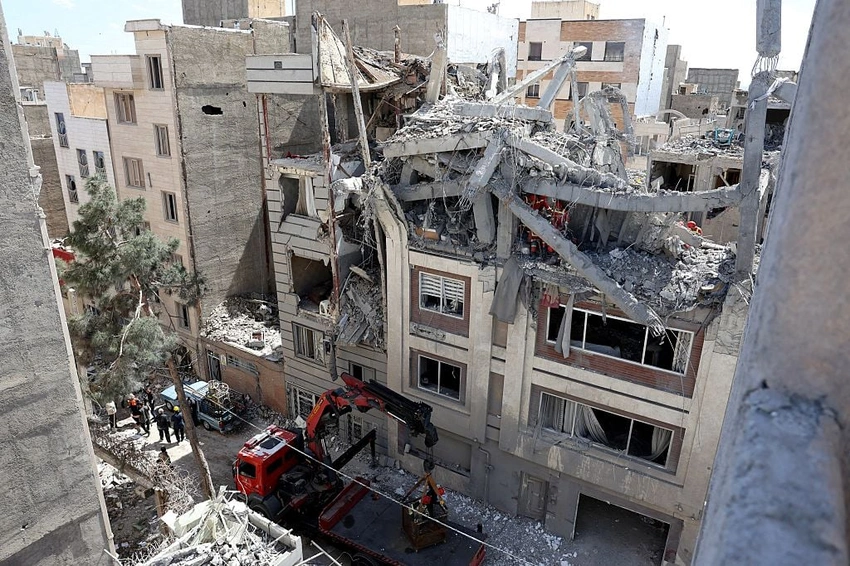
The fighting in the region has widened, with Israel vowing to intensify and expand strikes against Iran even as Tehran warns civilians near U.S. targets to evacuate. The escalation comes as a two-front war of sorts tightens its grip on the Middle East, reconfiguring alliances and drawing-in traditional power brokers. Overnight reports describe pulses of air strikes and retaliatory drone activity across multiple fronts, highlighting the risk of a broader regional war that could stretch energy routes and markets.
Saudi Arabia has urged the United States to keep up the pressure on Iran, with a Riyadh-based intelligence source confirming that officials are weighing direct involvement and intensification of the campaign. The prime focus, according to the source, remains Iran but the kingdom’s leaders have signaled they would act if diplomacy fails. In private conversations, Crown Prince Mohammed bin Salman is described as weighing options and describing the campaign as a 'historic opportunity' to reshape the region’s security architecture. Analysts say Riyadh is calibrating its moves, keeping all options open while insisting it is not seeking a war.
Last week, Yanbu, a Western Red Sea port, was targeted by a drone strike that hit an oil refinery, underscoring how energy infrastructure has become a principal flashpoint. Separately, reports say U.S. troops were injured at a base in Saudi territory, underscoring the spillover risk that has many markets and capitals watching the situation with increasing anxiety. The episodes fuse together into a narrative of a conflict that refuses to stay confined to any single theater, threatening supply lines, ports, and the uneasy balance of regional power.
On the political front, Washington has kept a messaging line that stops short of promising automatic escalation but signals no retreat either. President Trump’s public comments that the war should not be allowed to drag on—calling the leadership 'a warrior' and hinting at continued support—have fed back into the sense that traditional U.S. allies are preparing for a broader confrontation. In Riyadh and allied capitals, diplomats and security analysts say the risk now is drift into open hostilities rather than measured steps toward negotiation. The fear is that miscalculation or an accelerated campaign could pull in more players and complicate any prospective peace push.
Experts warn that the coming weeks could prove decisive. If Iran maintains pressure or if allied campaigns widen, civilian casualties rise and critical energy routes face disruption, the region could slip into a sustained war with global repercussions. Even as leaders seek to manage the risk, ordinary people in the affected capitals brace for further curfews, air raid sirens, and the daily reality of a conflict that has already crossed into multiple theaters. The overarching message from security watchers remains clear: de-escalation and a renewed diplomatic track are urgently needed to prevent a wider catastrophe.
