Gulf Energy War Escalates: Global Oil Supply at Risk

Gulf Energy War Escalates: Global Oil Supply at Risk
Tensions surge as strikes hit key energy hubs across the Gulf, threatening fuel supplies, prices, and global markets.
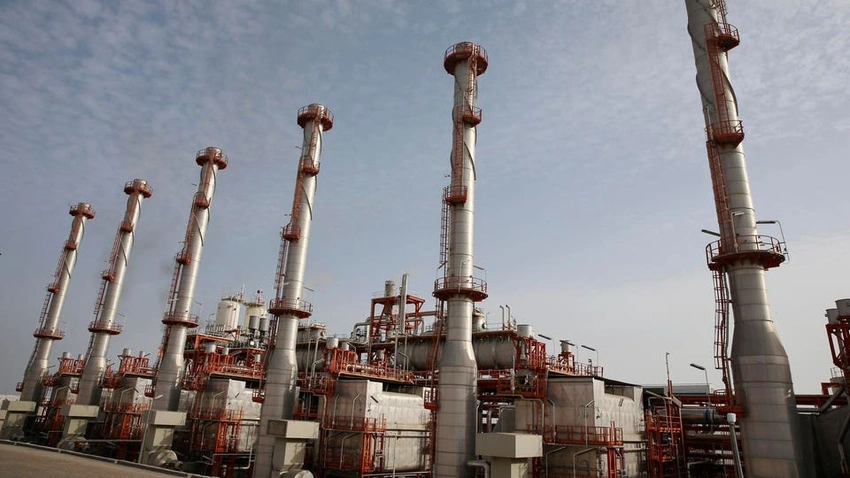
The energy crisis in West Asia has intensified as critical hubs come under direct attack, signaling a dangerous shift in how energy infrastructure is viewed. Iran accuses Israel of striking the South Pars gas field, sparking massive fires and sending jitters through global oil markets. Tehran swiftly responded, launching missiles at Qatar’s Ras Laffan Industrial City and striking key sites in Saudi Arabia and Kuwait. While damage remains limited in some locations, the underlying message is clear: energy infrastructure has become a battlefield with South Pars holding enormous global reserves that could redefine supply dynamics.
As tensions rise, disruptions to fuel supply, higher prices, and economic uncertainty are rippling across continents. The region’s refineries and distribution points are on high alert, prompting governments and energy firms to reassess risk exposure, diversify supply routes, and bolster contingency plans amid a volatile market backdrop.
Reports also point to attacks on other critical facilities, including Haifa’s oil refinery and Kuwait’s Mina Al-Ahmadi refinery, underscoring the broader volatility of the energy landscape. Officials said any power disruptions were brief and quickly restored, but the incidents amplify concerns about regional stability and energy security as traders react to every new claim of strike or counterstrike.
Global leaders are urging restraint and de-escalation to prevent a wider spillover into markets already grappling with inflationary pressures and fragile supply chains. Analysts suggest the crisis could reshape energy diplomacy, pushing for diversified sourcing, strategic stockpiles, and new routes to move oil and gas around the world, even as the region remains a flashpoint for geopolitics.
For consumers, the takeaway is clear: expect volatility in prices and supplies until the conflict cools. The South Pars field’s vast potential ensures this crisis will have lasting implications for energy security worldwide.
