Jason Isbell & Musicians Sue AI Firm Suno for 'Identity Theft'
Jason Isbell & Musicians Sue AI Firm Suno for 'Identity Theft'
Grammy winner Jason Isbell and other artists are taking AI music company Suno to court! They claim Suno used their identities without consent to train its models. Get the full story on this groundbreaking legal battle.
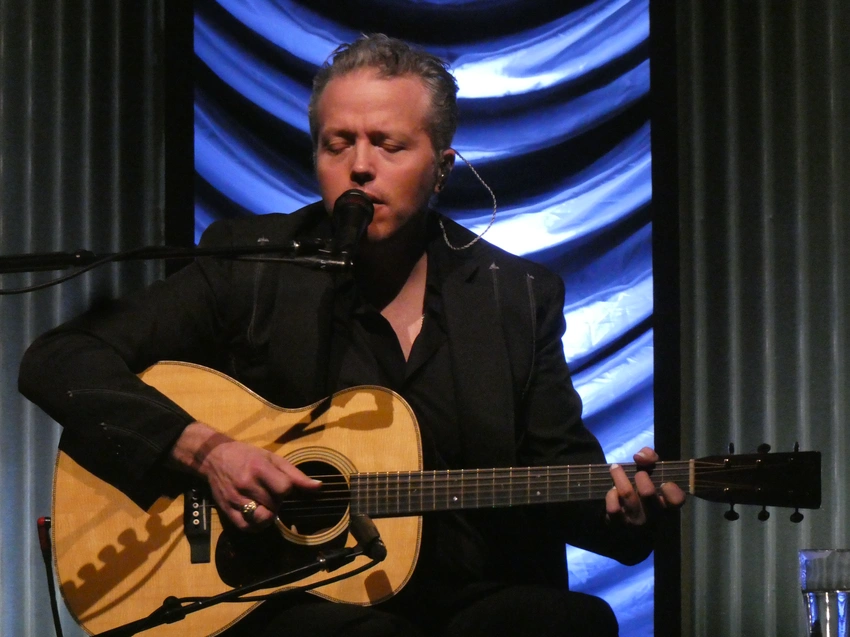
Boston, MA — Grammy-winning artist Jason Isbell and a group of fellow musicians have launched a significant federal lawsuit against AI music generator Suno, alleging that the company used their unique artistic identities to train its models without obtaining their consent. This legal action, filed in Massachusetts federal court, marks a new front in the ongoing battle between artists and AI technology.
The lawsuit asserts that Suno "encoded" the identities of numerous artists into its artificial intelligence models and is now profiting from these misappropriated attributes. Unlike previous lawsuits that primarily focused on copyright infringement related to music, this complaint zeroes in on violations of right-of-publicity laws. These laws protect an individual's right to control the commercial use of their name, image, and likeness.
According to the legal filing, evidence suggests that simply typing an artist's name into Suno's platform can generate music, descriptions, and even graphics that strongly evoke the real artist's style and persona. The plaintiffs argue that supposed safeguards designed to prevent such misuse are easily circumvented, further highlighting what they claim is the commercial exploitation of artists' unique identities.
Suno knows the commercial value of a machine that can conjure up a beloved musician's identity simply by invoking their name,
the lawsuit states. It emphasizes that while artists may sell rights to specific recordings, their identity rights remain personal unless separately licensed. The musicians are seeking compensation for these allegedly misappropriated identities and aiming to halt their ongoing commercial exploitation.
In response to the allegations, Suno has issued a statement staunchly defending its practices.
The company stated, "We believe these claims are without merit and we intend to defend against them.
Suno exists to help people create new, original music, not to trade on anyone's name." Suno also highlighted the "many protections" it has implemented, including blocking prompts for specific artists' names and copyrighted songs, and working with third-party providers to screen uploaded content. This legal showdown is set to define critical boundaries in the evolving landscape of AI and artistic rights.

Login to comment.
No thots yet. Be the first to share your thoughts!