Artemis II Crew Describes Eclipse Moments and Lunar Discoveries

Artemis II Crew Describes Eclipse Moments and Lunar Discoveries
Artemis II astronauts share stunning Earth-Eclipse views, naming a crater after a loved one, and plans to pass their learnings to the next crew.
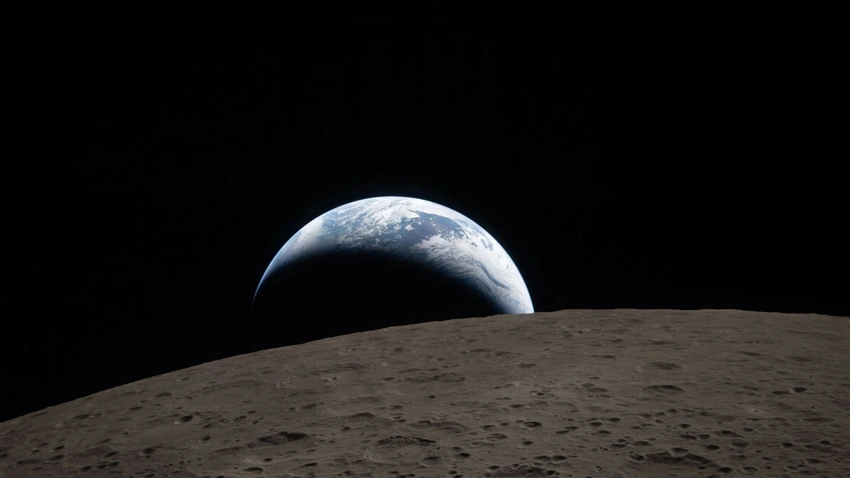
The Artemis II crew paints a vivid picture of life on the lunar relay mission, recounting moments that blended awe with rigorous science. While stationed at the lunar far side, they focused on geology observations and stress-tested procedures that will inform future crews and robotic systems. When the team turned their attention to the Moon, they witnessed an eclipse that left a lasting impression: Earth slipping behind the Moon in a rare celestial tableau.
“Seeing the Moon grow 35 times bigger, witnessing an eclipse from space blew us away,” said Mission Commander Reid Wiseman, recalling the moment that echoed across the cabin. The crew then shifted to documenting Earth’s reflections, lunar shadows, and the intricate ballet of operations that keep a deep-space mission on course. Their daily routine has blended immediate scientific tasks with forward-thinking checks designed to strengthen the mission for those who come after.
Two days into the milestone, the team celebrated a deeply human gesture: the naming of a lunar crater after Carroll Wiseman, Reid Wiseman’s late wife. The moment, described as powerful and emotional, became a cherished memory among crew members, a reminder of the personal ties that anchor exploratory work in shared purpose. “It was the pinnacle moment of the mission. We all felt the most bonded,” Wiseman shared, underscoring the emotional resonance of space exploration.
Science and engineering continued to occupy the crew as they balanced observation with preparation. Christina Koch, a Mission Specialist, spoke of the mission as a relay race: a continuous transfer of knowledge and learnings to the next crew. The team emphasized fixing issues, refining procedures, and testing human and robotic provisions to ensure future missions can proceed with greater confidence. The Artemis program, they noted, has already advanced robotics in space missions and will continue to inform the design of subsequent expeditions.
Images streamed back from the crew offered another layer of wonder, including Earthset moments and other celestial views that remind the public of the fragility and beauty of our planet when viewed from beyond. The overarching message: every observation, every test, and every shared memory strengthens humanity’s path back to the Moon and toward deeper space exploration.
