Big Edtech Is Getting Bigger: What the upGrad-Unacademy Deal Means for You

Big Edtech Is Getting Bigger: What the upGrad-Unacademy Deal Means for You
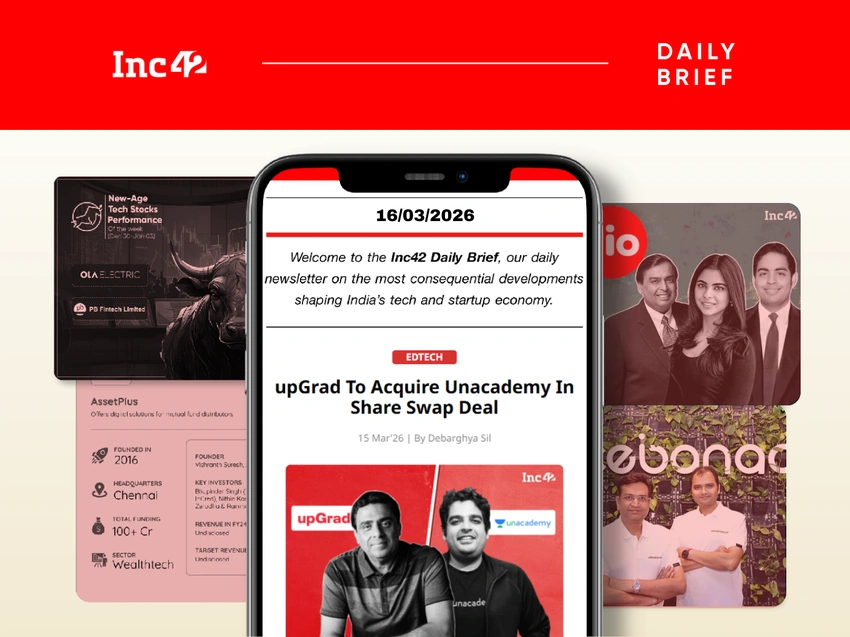
As upGrad acquires Unacademy, the edtech world is shaking. Is this the end of high prices, or the start of a learning monopoly? Find out why this deal matters to every student and parent.
The Giant Consolidation
The Indian edtech landscape just witnessed a massive earthquake. With upGrad signing a deal to acquire Unacademy, the industry is officially entering its consolidation phase. After years of burning cash and chasing unicorn valuations, the giants are now huddling together for warmth. But this brings up a massive question: is this consolidation good for the students sitting behind the screens, or is it just a lifeline for investors?
The Survival of the Biggest
For a long time, the edtech story was about growth at all costs. We saw valuations soar to billions of dollars, only to see them corrected sharply when the world opened up again. The recent share swap deal shows a shift in strategy. By coming together, these companies can pool resources, cut down on redundant marketing costs, and finally focus on being capital-efficient. For investors, this is a relief. It turns a potential collapse into a unified front. But for the average learner, the benefits are less obvious.
Will AI Save the Classroom?
A major part of this merger revolves around AI-driven learning. The promise is that platforms will personalize education in ways humans simply cannot. While this sounds futuristic and efficient, we have to wonder if the human element of teaching is being sidelined. AI can grade a paper or suggest a video, but can it inspire a student who is about to give up? As these companies lean harder into tech to save costs, the quality of mentorship needs to stay high. Education is more than just data points.
The Price of a Monopoly
When there are fewer players in the market, the power dynamics shift. Competition usually drives prices down and quality up. If the edtech sector becomes a playground for just one or two massive entities, what happens to the cost of learning? Students might benefit from a more integrated ecosystem where one subscription covers everything, but they might also lose out on the innovation that smaller, hungrier startups provide. We need a market that rewards better teaching, not just bigger bank accounts.
Who Really Wins?
If these mergers lead to more stable platforms and better content, students win in the long run. However, if the focus remains purely on balancing the books and satisfying venture capital demands, the actual learning experience might become an afterthought. We are watching the birth of a new era. Let us hope it is one where the pursuit of knowledge is just as important as the pursuit of profit.
