Boy George's AI Meltdown: Freedom or Ethical Trainwreck?

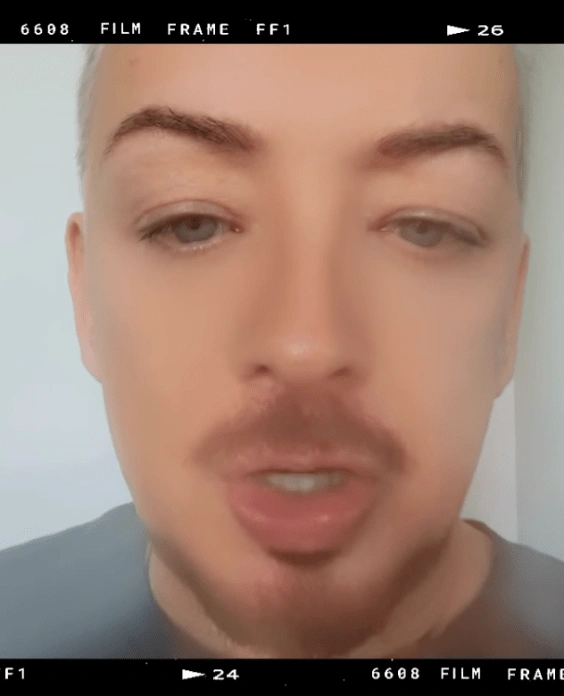
Boy George's AI Meltdown: Freedom or Ethical Trainwreck?
Boy George's AI-generated pro-Israel song has sparked a firestorm, leading to a manager's firing and a diss track. Is this artistic liberation or a new ethical frontier?
Boy George's recent forays into AI-generated music have thrown a hand grenade into the music industry, forcing everyone to reckon with the blurred lines between artistic freedom and outright ethical chaos. We're talking about a veteran artist, no stranger to controversy, now at the forefront of AI’s disruptive potential.
Consider the immediate fallout: an AI-generated pro-Israel track that caused his label manager to refuse its release, leading to the manager's departure. Then, a subsequent pulling out of a Jesus Christ Superstar production, and to top it off, a diss track aimed squarely at Soup Dragons singer Sean Dickson. It's a seismic shift in how artists interact with their art, their teams, and their audiences.
On one hand, you could argue this is pure artistic freedom, unrestrained. Imagine the possibilities! An artist, like Boy George, can now conjure politically charged anthems or deeply personal narratives without traditional gatekeepers.
AI becomes a powerful extension of the creative mind, allowing for experimentation and expression that might otherwise be impossible or too costly.
It removes barriers, democratizes creation, and lets artists explore radical new directions, even if those directions are provocative.
If an artist wants to generate a song about a specific political stance, AI offers a direct, unfiltered conduit.
Yet, this freedom often feels like walking into an ethical minefield. The very 'freedom' to create an AI-generated song that sparks such profound disagreement it causes a manager to quit raises uncomfortable questions. Whose responsibility is it when the art itself is divisive, or when its creation method bypasses established protocols?
Does an AI-generated track carry the same artistic weight or responsibility as something meticulously crafted by human hands and minds alone? And when does 'provocative' cross over into 'irresponsible' or 'damaging'? The Boy George scenario highlights how AI-driven creation can quickly escalate personal and political tensions, turning what might have been a private artistic statement into a public relations crisis.
It's about the industry's future. How do managers navigate these new artistic tools? What are the implications for artist-label relationships?
As AI continues to evolve, we're going to see more of these flashpoints.
Artists will continue to push boundaries, using every tool at their disposal.
The challenge for everyone - artists, labels, and fans alike - is to figure out where the line is drawn.
Is AI a liberating paintbrush for the modern artist, or a digital Pandora's Box that unleashes more problems than it solves?
The jury is still out, but Boy George is certainly giving us plenty to discuss.
