Elite University Dreams Crushed by Racism? One Author's Story
Elite University Dreams Crushed by Racism? One Author's Story
What happens when an aspiration for a PhD at Cambridge meets undeniable racism? Jill Damatac's experience sheds light on the unseen barriers faced by students of color in elite academic spaces.
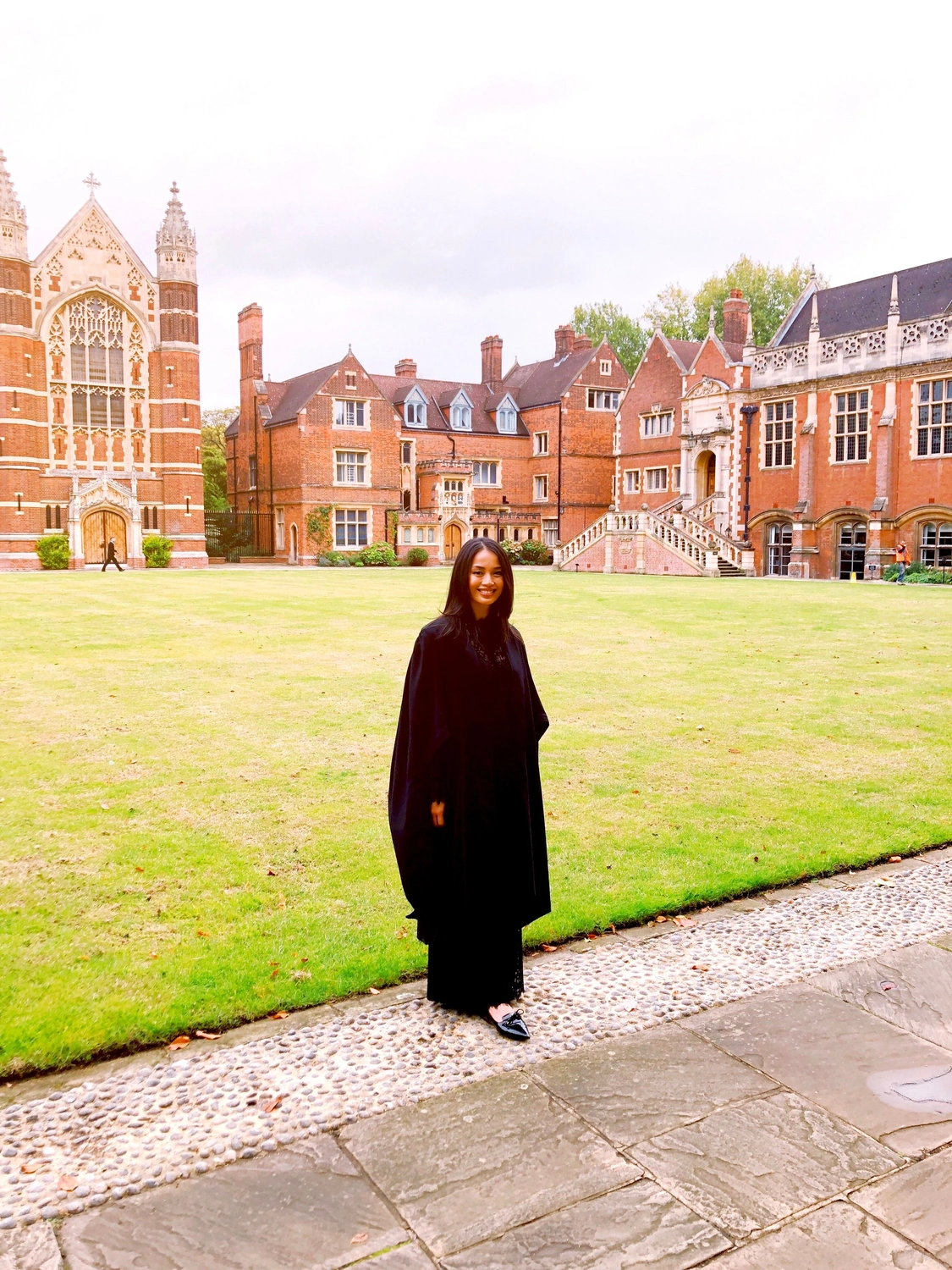
Elite academic institutions often project an image of intellectual enlightenment and global inclusivity. Yet, beneath the veneer of prestigious halls and rigorous scholarship, a darker truth often lurks for students of color. The experiences of Filipino-American author Jill Damatac at Cambridge University in 2019 vividly illustrate these unseen barriers.
Damatac, who initially aspired to a PhD, recounts how subtle slights and overt microaggressions quickly soured her academic journey.
Her matriculation, a moment of excitement for her diverse group of classmates, was marred by an exchange between two white dons.
"These must be the creative writing students," one whispered, theatrically ruffling his robes as they passed, an insinuation of lesser academic rigor, pointedly aimed at a group including Black and brown students.
This incident was merely a prelude. A formal dinner became an uncomfortable interrogation. A white student casually likened her PhD research to "Jane Goodall" studying "indigenous tribes in Peru," a comment that drew a shared, knowing glance between Damatac and a new South Asian professor.
But the most cutting remarks were directed at Damatac herself. Over plates of beef and prosecco, a fellow student probed: "Where are you from? No, really from.
Ah, the Philippines, of course. I had a Filipino nanny growing up, you know. " The questioning continued, delving into her educational background and culminating in loaded inquiries: "No undergraduate studies?
Goodness, why not? Undocumented? Oh, do you mean illegal?
In America?"
These aren't isolated incidents but rather a pervasive pattern that many Black and brown students face in predominantly white, elite spaces.
Damatac's experience underscores a critical point: racism isn't always explicit hate speech.
It often manifests as subtle biases, assumptions, and microaggressions that chip away at one's sense of belonging and intellectual legitimacy.
The Lingering Impact
These interactions create an environment where students of color are constantly forced to justify their presence, navigate stereotypes, and endure casual racism. It's an exhausting burden that distracts from academic pursuits and can ultimately derail educational goals. Damatac herself notes,
I could write a second memoir solely on the racism I experienced at Cambridge University as a master's and PhD student.
Her story is a powerful reminder that prestige does not equate to progressiveness, and that institutions—even revered ones like Cambridge—must actively confront and dismantle the systemic biases embedded within their cultures. True inclusivity requires more than diversity quotas; it demands a fundamental shift in attitudes and a commitment to creating genuinely equitable spaces for all students.
What Now?
Stories like Jill Damatac's compel us to look beyond glossy brochures and examine the lived realities of students in elite academia. How can institutions foster environments where every student, regardless of background, can thrive without facing these constant, soul-crushing barriers? It starts with listening to these voices and taking decisive action against all forms of racism.

Login to comment.
No thots yet. Be the first to share your thoughts!