Ten Albums That Defined This Decade So Far (2020–2025)

Ten Albums That Defined This Decade So Far (2020–2025)
Ten Albums That Defined This Decade So Far (2020–2025)
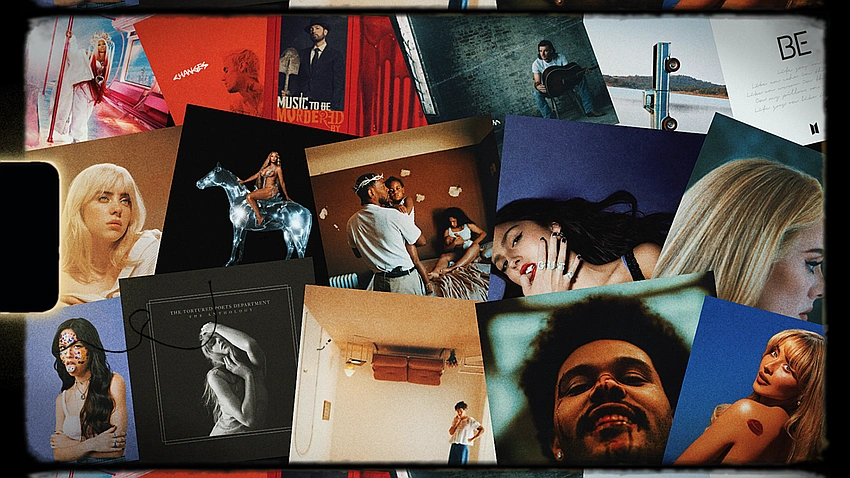
From lockdown to lyric, this piece surveys ten records that helped shape the 2020s, starting with Fiona Apple's Fetch the Bolt Cutters—a diary-like, intimate, noisy album about confinement, escape, and resilience.
If the 2020s began with lockdown and isolation, they also began with a new grammar of listening. Albums released in the early half of the decade did more than fill enforced solitude: they reframed it, politicised joy, re-imagined identity and made form out of interruption. Below are ten records that, to my ear, have come to mark this strange half-decade: each a constellation of sound, context and phrasing that helps explain how we got here.
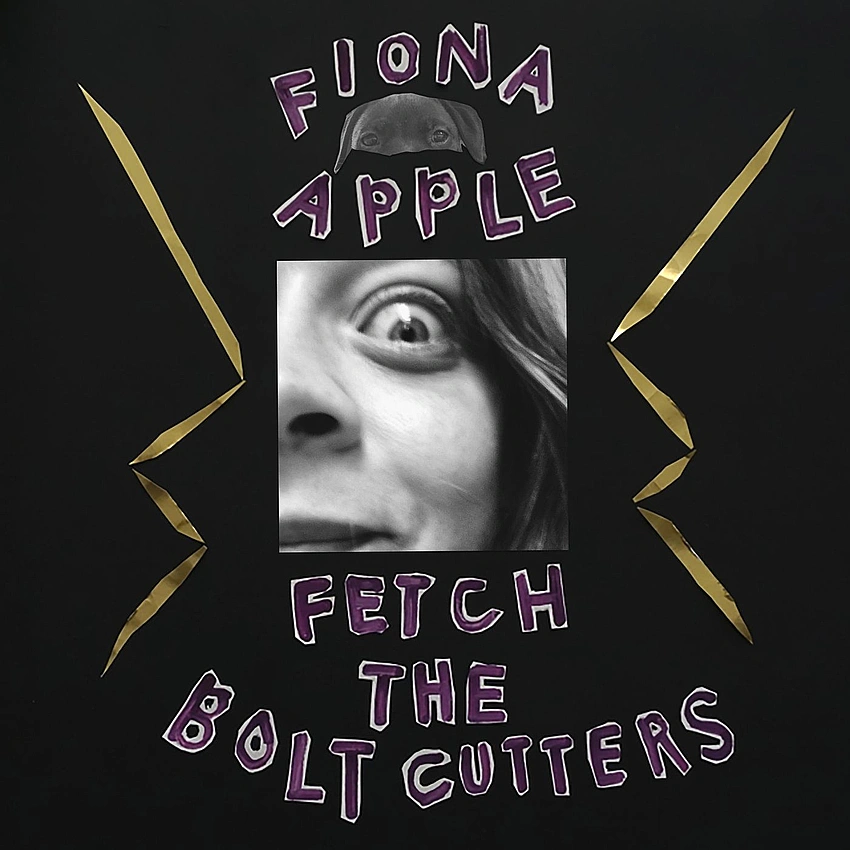
1. Fetch the Bolt Cutters by Fiona Apple
Genre: Art-pop / baroque-pop / singer-songwriter
Apple’s record arrived in April 2020 as a domestic, urgent masterpiece that sounded like a diary performed in public. It is intimate and noisy in equal measure, refusing tidy melodrama and insisting on the texture of speech itself. The album explores both personal injuries and the drive for freedom. In the context of the pandemic, the album’s themes of confinement and escape resonated in unexpected ways. For me, it stands as a manifesto of owning one’s interior landscape when the exterior world was locked down.
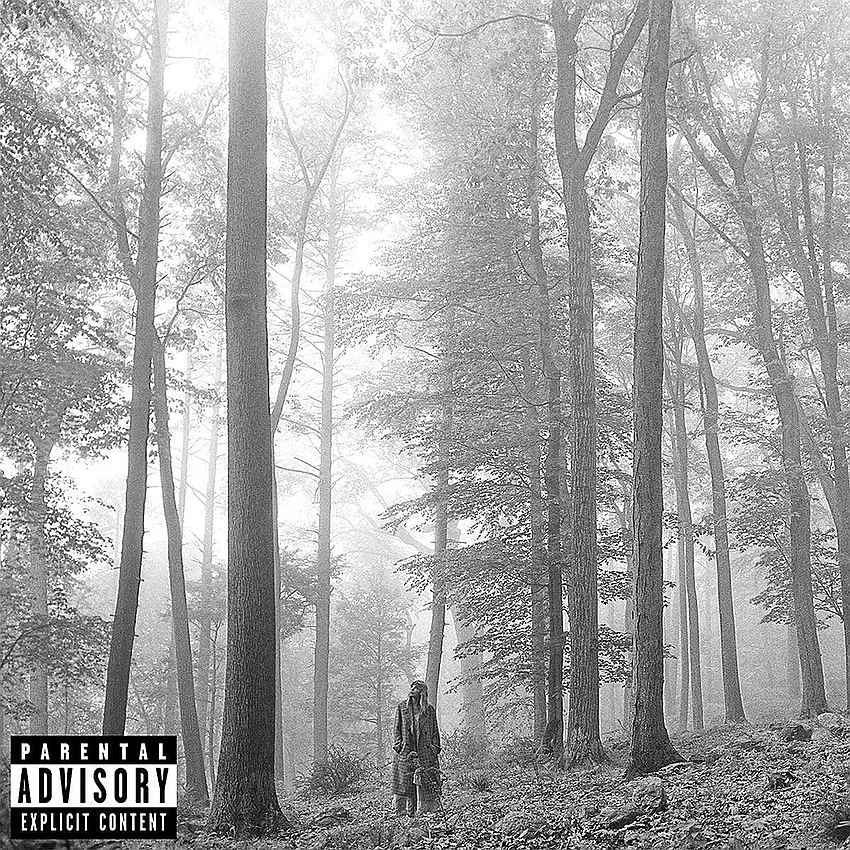
2. folklore by Taylor Swift
Genre: Indie-folk / chamber-pop / alternative rock
Released on 24 July 2020, folklore was crafted during pandemic isolation and marks a stark pivot from Swift’s pop-superstar persona into a quieter lyricism and narrative-driven songwriting. The arrangements are subtle: soft piano, gentle guitar, ambient touches. Lyrically, the songs slip into stories of regret, loss, imagined characters and introspection. In the era of socially-distanced living, it underscored how music could become both a private solace and a communal record of the moment.
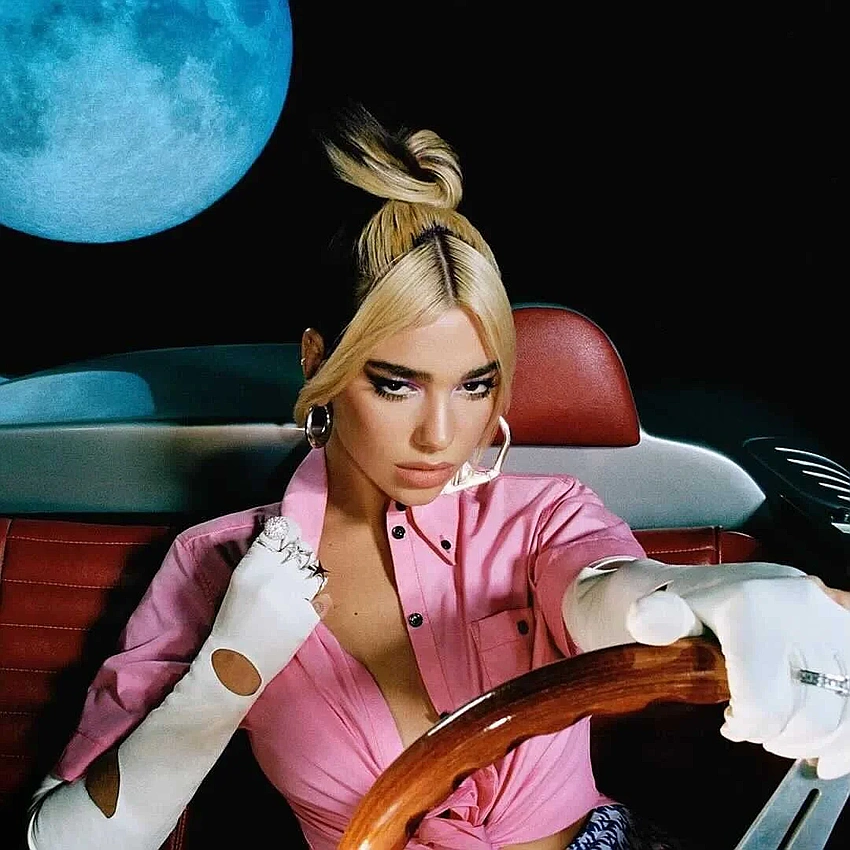
3. Future Nostalgia by Dua Lipa
Genre: Dance-pop / electropop / nu-disco
The spring 2020 release of Future Nostalgia felt like a lifeline: clubs had shuttered, gatherings were banned, but the album brought dance-floor energy straight into living rooms. It draws heavily on retro disco and funk while remaining sleek, contemporary pop. In the era of socially-distanced living, it underscored how music could conjure connection even when physical togetherness was limited. Its grooves and confidence became something of a template for pop pushing back against lockdown gloom.
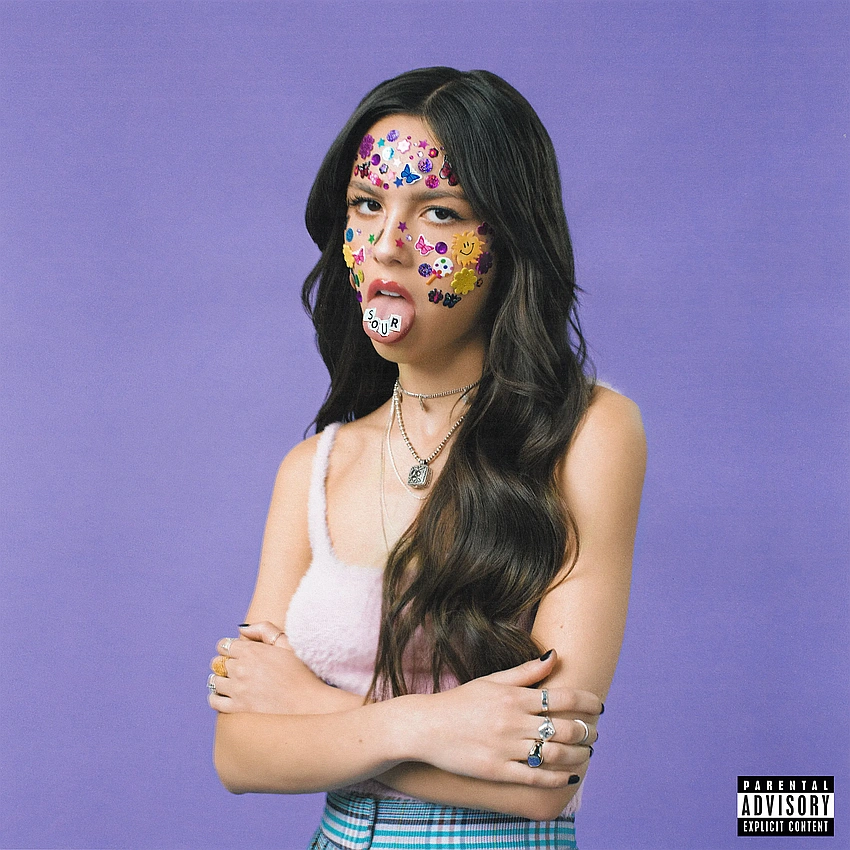
4. SOUR by Olivia Rodrigo
Genre: Pop-punk / alternative pop / singer-songwriter
A breakout debut in early 2021, SOUR channelled teenage heartbreak and cinematic punk-pop with immediacy. The single “Drivers License” exploded in the streaming era, and the album sustained a grip on public attention. In the context of the pandemic’s adolescence-shift of remote schooling, isolation, and digital friendships, SOUR became something of an emotional articulation of that moment. For me, it stands out for capturing how young people processed dramatic internal lives while the world externally felt paused.
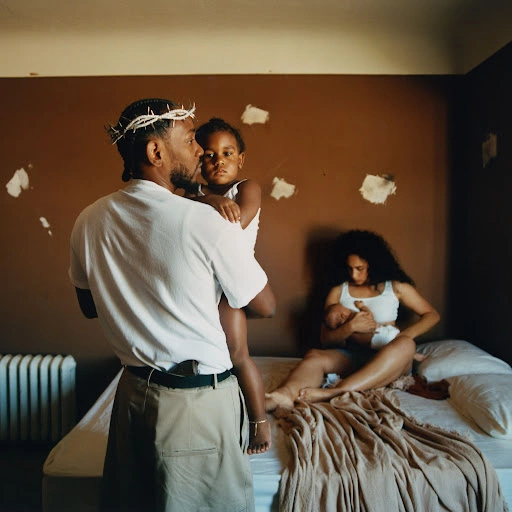
5. Mr. Morale & The Big Steppers by Kendrick Lamar
Genre: Hip-hop / progressive rap / conceptual rap
Released in May 2022 after a five-year recording gap, this double-album is a wrenching meditation on trauma, fatherhood, race, celebrity, therapy and accountability. Its ambition and narrative complexity mark it as one of the decade’s more demanding and defining hip-hop statements. In my view, this record functions like a novelistic deep-dive into the psyche of its creator and, by extension, our moment.
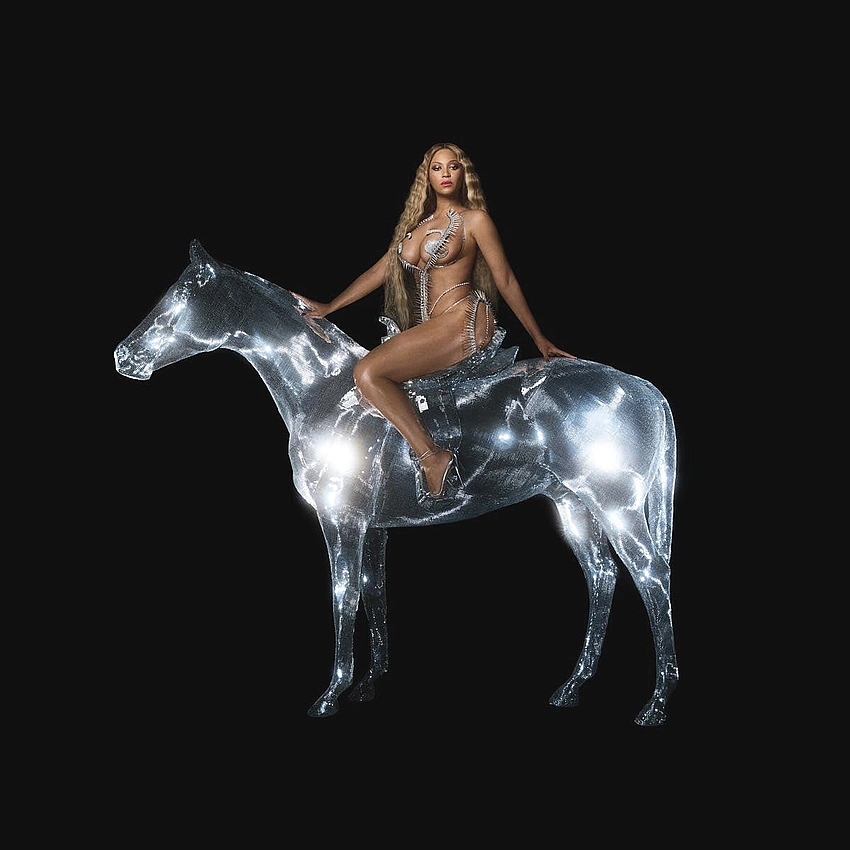
6. Renaissance by Beyoncé
Genre: Dance / house / funk / disco-influenced pop
An exuberant excavation of dance, queer histories and Black diasporic music, Renaissance insisted joy could be political and archival. Arranged like a continuous DJ mix, the album draws on post-1970s Black dance-music styles — disco, house, funk — and pays homage to overlooked pioneers. For me, it defines the idea that in this decade, large pop can both celebrate and re-frame histories of movement and sex.
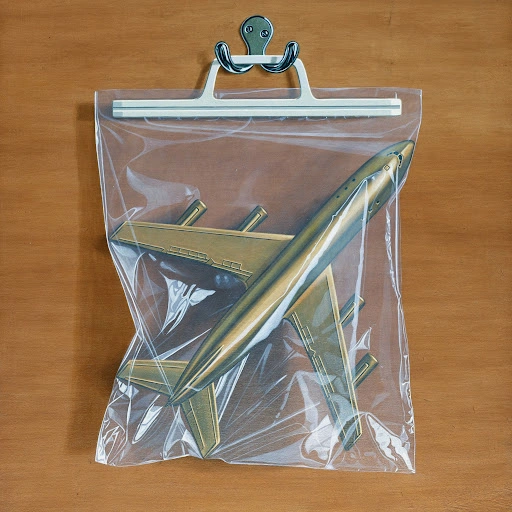
7. Ants From Up There by Black Country, New Road
Genre: Post-rock/chamber pop/indie rock
Released in February 2022, Ants From Up There sees the band moving from art-chaotic to more song-based, yet still deeply emotionally charged. They themselves describe the sound as a blend of post-rock, chamber pop and indie rock. The record was written during the COVID-19 lockdowns, reflecting a shift toward vulnerability and a collective recording process. In my reading, it stands as a key moment when “rock” still mattered in the streaming era and when emotional catharsis was mapped through ambitious instrumentation and lyrical openness.
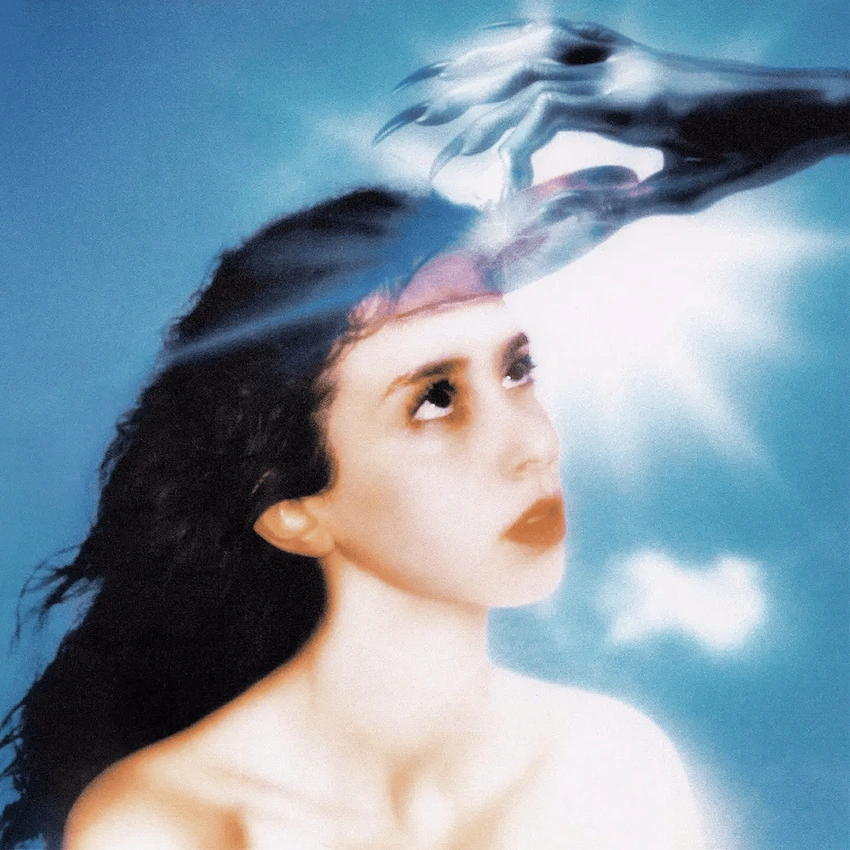
8. Imaginal Disk by Magdalena Bay
Genre: Synth-pop / dance-pop / electronic rock
Released in August 2024, Imaginal Disk is a concept album centred on self-exploration, identity and tech-augmented humanity, rendered in glittering synth-pop, dance-pop and electronic rock. In the broader flow of the 2020s, it ticks the box of the multilingual/popographic shift: pop that doesn’t centre just one culture or language or geography. For me, it shows how the decade’s music expands outward in ambition and scope.
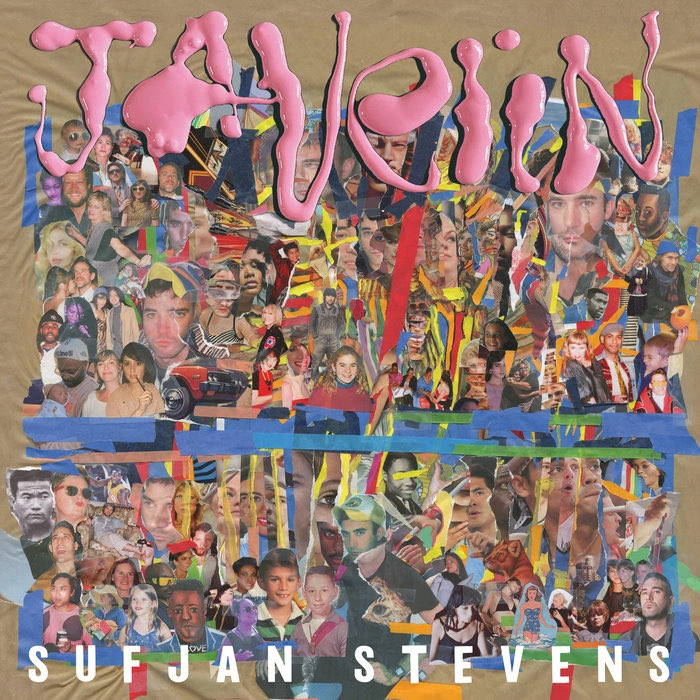
9. Javelin by Sufjan Stevens
Genre: Indie-folk / singer-songwriter/chamber folk
Released in October 2023, this record sees Stevens return to quiet confession, acoustic instrumentation and layered harmonies. It moves away from maximalist production toward something intimate yet expansive. In my view, Javelin evokes the idea that the decade also holds space for the solitary album, the folk-inflected record that asks us to slow down, reflect, and feel.
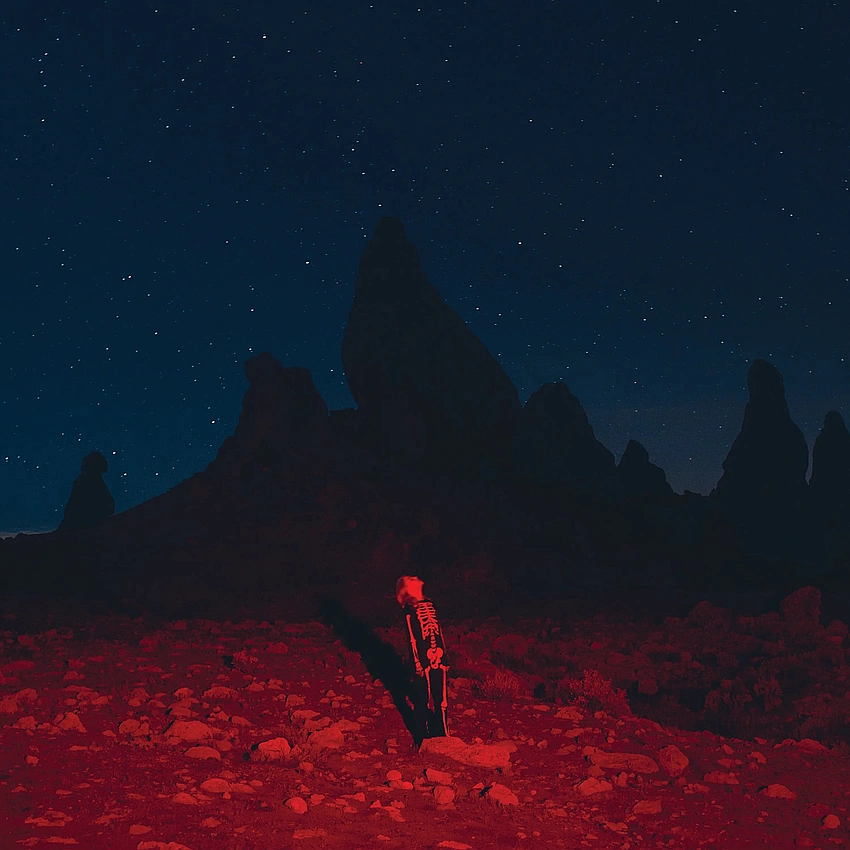
10. Punisher by Phoebe Bridgers
Genre: Indie-folk / emo-folk / indie rock
Released in 2020, Punisher is a quiet but piercing album that blends folk instrumentation, bleak lyricism and subtle production. It became a voice for an era of introspection, discomfort and vulnerability. For me, it stands as a reminder that the decade is about stillness, reflection and confessional art.
Why these ten
Why these records and not others? I chose albums that altered common tonalities, made new conversational spaces, and registered the era’s tensions between isolation and communion, archival digging and futurist impulse, grief and euphoria. Several were born in quarantine and reflect the pandemic’s discrete effects on production and reception. Others rewrote idioms of genre or language, or proved decisive commercially while remaining artistically risky.
This list is, of course, opinionated by design. It is a short list for conversation rather than a definitive canon. If anything unites these ten, it is their insistence that form can narrate social change as deftly as any essay. They are touchpoints for a decade still writing itself, records that have already shaped how we tell stories about loneliness, labour, identity, and possibility.
