Iran braces Kharg Island with missiles and mines as US bid looms

Iran braces Kharg Island with missiles and mines as US bid looms
Iran tightens defenses around Kharg Island amid signals of a possible US bid to seize the Gulf export hub, warning of regional plans to occupy the island.
Iran is signaling a hardening stance around Kharg Island as tensions rise over a possible bid by the United States to seize the strategic Gulf hub. In recent days, Iran has reportedly put in place defensive measures including missiles and layered mine defenses around Kharg, a move observers say would complicate any attempt to take control of the facility. Kharg Island, long seen as the anchor of Iran's crude exports, sits at a crucial chokepoint in the Gulf and is widely regarded as a strategic asset in Tehran's energy security calculus.
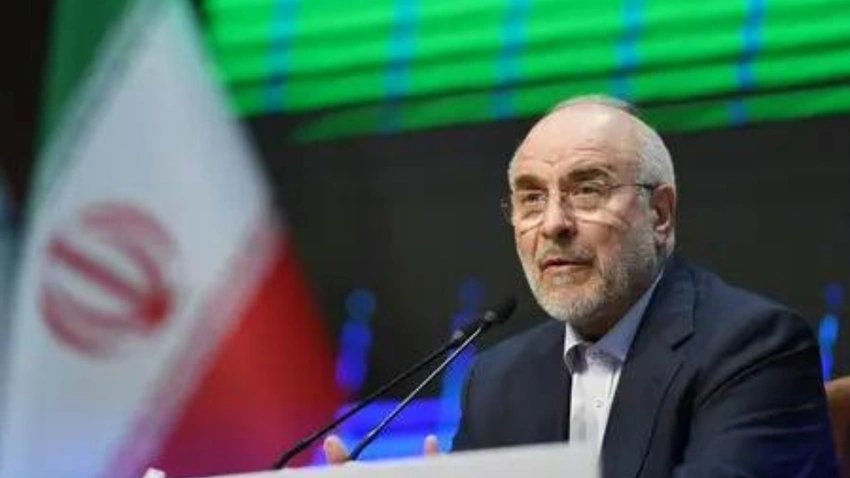
Speaking to security circles, Iran's leadership has warned that 'enemies are preparing to occupy' the island with support from an unnamed regional actor. The statements come amid talk in Western capitals about possible steps to compel Iranian export flows, though no formal plan has been publicly disclosed. The rhetoric underscores how Kharg's status ties directly into broader Gulf confrontations and the fragility of energy markets in times of regional tension.
Kharg's export role cannot be overstated: the island handles nearly all of Iran's crude exports, channeling a significant portion of the nation's oil to international buyers. Any disruption or attempt to seize the island could ripple through oil prices, shipping routes, and insurance costs for maritime traffic passing through the Gulf. In this climate, Tehran has framed its stance as both a deterrent and a message to regional rivals about the consequences of any attempt to alter the status quo. Foreign observers emphasize the risk of escalation, urging careful diplomacy to prevent miscalculation in a densely contested sea lane.
Analysts say the situation remains fluid, with deterrence, signaling, and potential diplomacy likely to shape the next moves. For now, the focus appears to be on avoiding direct confrontation that could imperil global energy supplies, while keeping options open for a range of responses—military, economic, or diplomatic—should the island become the center of a new flashpoint.
