The Invisible Biology of Breakouts: How Skin Renewal Cycles Influence Acne Healing

Introduction
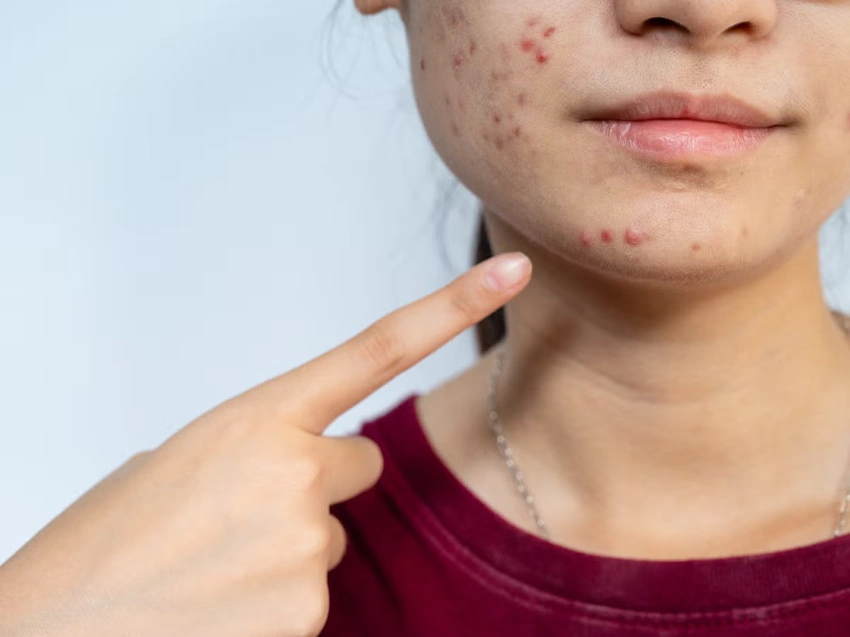
Acne is often treated as a surface-level issue, but the science behind breakouts reveals a much deeper biological process. Beneath the skin, thousands of microscopic pores constantly produce oil, shed dead cells, and interact with environmental factors. When this system becomes imbalanced, clogged pores and inflammation can lead to visible blemishes. Many skincare experts now focus on regulating pore behavior, which is why solutions like an open pores serum 🔗 have gained attention for supporting smoother skin texture and balanced oil production.
Understanding how pores behave during the skin’s renewal cycle can help people approach acne more strategically. Instead of reacting only when pimples appear, modern skincare emphasizes prevention, recovery, and protection.
The Skin Renewal Process and Acne Formation
Human skin renews itself through a natural cycle known as cellular turnover. During this process, new skin cells form in the deeper layers and slowly move toward the surface. Eventually, older cells shed to make room for new ones.
Ideally, this process occurs smoothly. However, several factors can disrupt it:
• Excess oil production
• Hormonal fluctuations
• Dead skin buildup
• Environmental pollutants
• Stress and lifestyle habits
When dead cells and oil accumulate inside pores, they create blockages. These clogged pores become the foundation for blackheads, whiteheads, and inflamed pimples.
Why Pores Play a Major Role in Acne
Pores act as the skin’s natural outlets for oil and sweat. They help maintain hydration and protect the skin barrier. However, when pores become enlarged or clogged, they trap impurities.
Several factors influence pore behavior:
• Genetics that determine pore size
• Oil production levels
• Skin elasticity
• Sun exposure and aging
• Skincare habits
Maintaining balanced pores does not mean eliminating them. Instead, the goal is to keep them clean and functioning properly so they do not become breeding grounds for acne-causing bacteria.
The Impact of Oil Regulation on Breakouts
Sebum, the natural oil produced by the skin, is essential for maintaining hydration and protection. But when sebum production becomes excessive, pores become more vulnerable to blockages.
Overactive oil glands are commonly triggered by:
• Hormonal changes during adolescence or adulthood
• High humidity environments
• Stress hormones such as cortisol
• Heavy cosmetic products
Balancing oil levels is therefore one of the most effective strategies for preventing acne formation.
Environmental Factors That Affect Acne
While internal biology plays a major role in breakouts, external factors can also worsen acne.
Urban environments expose skin to pollutants that accumulate on the surface. Dust particles, vehicle emissions, and airborne chemicals can mix with natural skin oils and block pores.
Lifestyle habits also contribute to acne development:
• Sleeping with makeup on
• Frequently touching the face
• Using unclean makeup brushes
• Wearing tight clothing or masks that trap sweat
These habits disrupt the skin’s ability to renew itself efficiently.
Acne Statistics That Highlight Its Global Impact
Acne is not limited to teenagers. It affects people across multiple age groups and lifestyles.
According to the American Academy of Dermatology, acne affects approximately 50 million people in the United States every year, making it the most common skin condition in the country.
The increasing prevalence of adult acne has also been linked to modern stress levels, changing diets, and environmental exposure.
These statistics highlight why skincare science continues to explore more effective and gentle acne solutions.
The Role of Skin Protection During Acne Healing
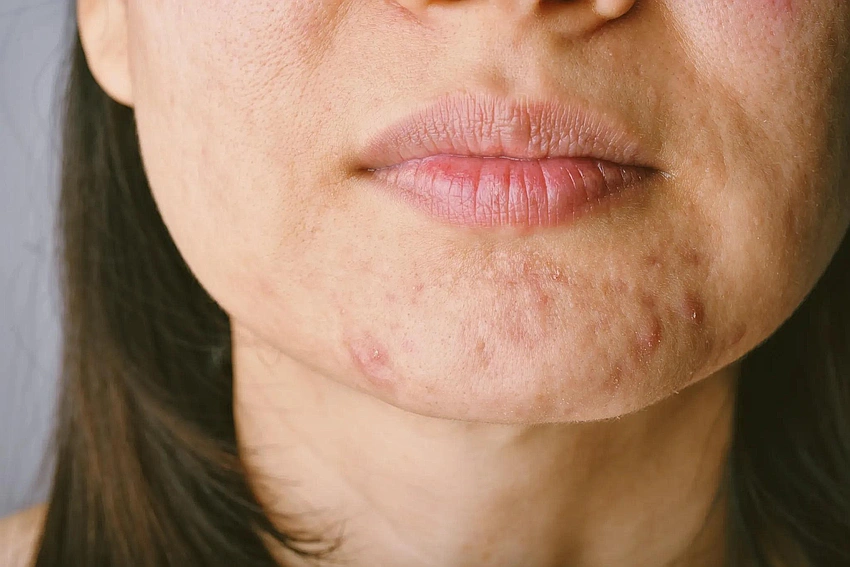
Treating acne is only part of the process. Protecting healing skin is equally important. Once a blemish forms, it becomes vulnerable to irritation, bacteria, and physical contact.
Many dermatologists emphasize minimizing direct contact with active breakouts because touching or picking can worsen inflammation and increase the risk of acne marks.
Protective treatments are therefore gaining popularity because they create a barrier between the blemish and external irritants.
How Protective Patches Support Skin Recovery
Protective acne patches work by covering active pimples and creating a controlled healing environment. These treatments absorb excess fluid while shielding the blemish from bacteria and pollution.
This approach offers several advantages:
• Prevents touching or picking at pimples
• Reduces exposure to bacteria
• Supports faster healing
• Helps minimize the appearance of acne marks
When used overnight, these patches allow the skin to repair itself without interruption.
Why Prevention Is More Effective Than Reaction
One of the most important shifts in modern skincare is the focus on prevention rather than reaction. Waiting until a large pimple forms often means the underlying pore has already been clogged for days.
Preventive skincare routines usually include:
• gentle cleansing
• targeted treatments
• barrier-supporting moisturizers
• protective acne solutions
By maintaining these habits daily, the skin becomes more resilient against breakouts.
Conclusion
Acne is not simply a surface problem but a complex biological process influenced by pores, oil production, and environmental exposure. When the skin’s renewal cycle is disrupted, clogged pores can lead to inflammation and visible blemishes. Understanding this process helps people adopt routines that focus on prevention, repair, and protection.
Protective solutions are becoming increasingly important in modern acne care because they allow blemishes to heal while minimizing irritation. Many people now turn to options like a hydrocolloid roll for acne 🔗to shield breakouts and support the skin’s natural healing process.
Call to Action
If you enjoy learning about skincare science, acne prevention strategies, and emerging skincare trends, explore more expert insights on World of California 🔗. The platform features informative blogs that help readers understand skincare routines and discover modern solutions for healthier skin.
FAQs
1. What causes pores to appear larger on acne-prone skin?
Excess oil production, clogged pores, and reduced skin elasticity can make pores appear larger.
2. Can lifestyle habits influence acne development?
Yes. Stress, diet, sleep patterns, and skincare habits all play important roles in skin health.
3. Why should people avoid touching pimples?
Touching pimples can introduce bacteria, increase inflammation, and cause acne marks.
4. Do protective acne patches work overnight?
Many protective patches absorb excess fluid from pimples overnight, helping reduce swelling and redness.
5. Is acne only a teenage condition?
No. Adult acne has become increasingly common due to hormonal changes, stress, and environmental factors.
