Innovations Driving the Future of PCB Production

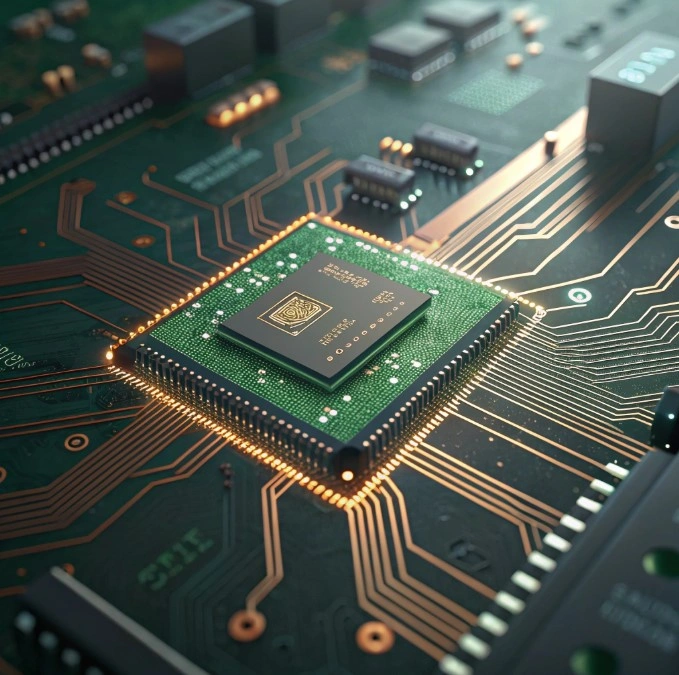
Innovations Driving the Future of PCB Production
In the rapidly evolving world of electronics, printed circuit boards (PCBs) are the unsung heroes that power everything from smartphones to satellites. As demand for faster, smaller, and more efficient electronic devices grows, the PCB industry is undergoing a wave of transformation. Modern PCB production innovations 🔗 are redefining how circuit boards are designed, fabricated, and integrated into diverse PCB applications across industries.
Key Highlights of the Article
- Emerging technologies revolutionizing printed circuit board (PCB) 🔗 manufacturing
- How automation and AI are reshaping PCB services
- The role of sustainability in future PCB design
- Why PCB Technologies leads in innovation and reliability
- Future predictions and FAQs
The Evolving Landscape of Printed Circuit Board (PCB) Manufacturing
For decades, Printed Circuit Board (PCB) production has been at the core of electronic innovation. Traditionally, PCB manufacturing involved complex, time-consuming processes with limited design flexibility. However, today’s demand for high-density, multilayer boards and precision-driven applications has ushered in a new era of production innovation.
From miniaturization to smart manufacturing, the PCB industry is becoming more efficient, eco-friendly, and adaptable. With industries like aerospace, healthcare, automotive, and telecommunications relying heavily on PCBs, innovation is not just a trend; it’s a necessity.
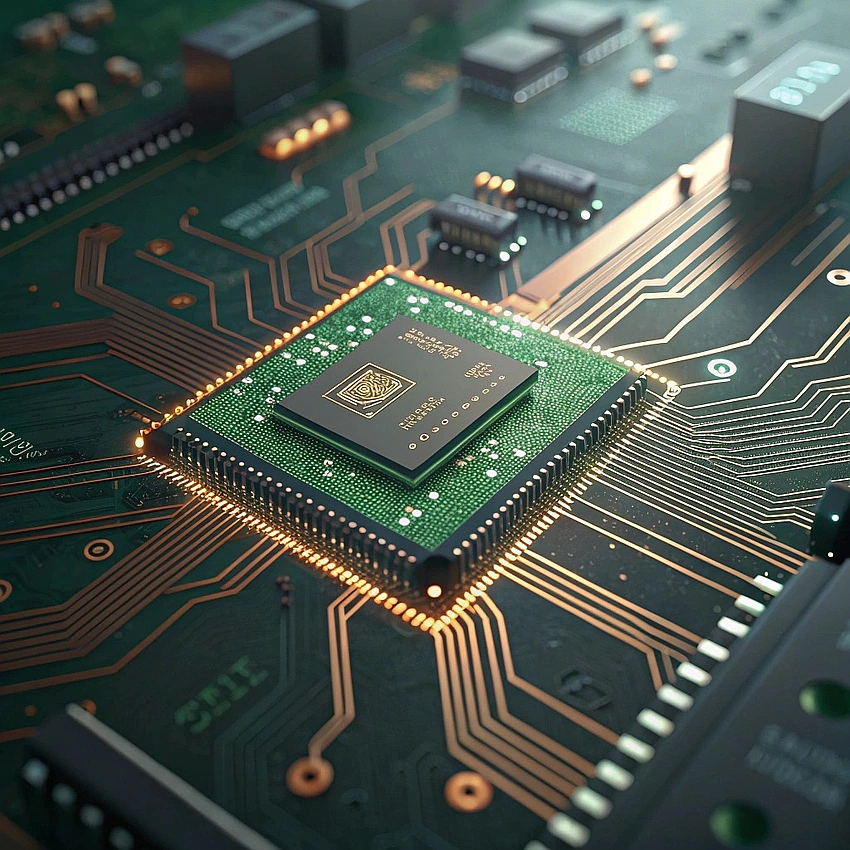
Automation and Artificial Intelligence in PCB Services
Automation and artificial intelligence (AI) are now key drivers in modern PCB services 🔗. These technologies enable faster production cycles, better accuracy, and fewer defects.
- Automated Optical Inspection (AOI) systems use AI to detect microscopic errors in PCBs before they reach the assembly line.
- Machine learning algorithms predict manufacturing issues and optimize production schedules.
- Robotic assembly lines improve speed, precision, and quality assurance, ensuring consistent performance.
By integrating AI into design and testing, manufacturers can significantly reduce time-to-market while maintaining superior quality standards.
The Rise of Advanced Materials in PCB Applications
Traditional PCBs relied on materials like FR-4 fiberglass, but as devices demand higher performance, manufacturers are adopting advanced materials. Innovations such as flexible substrates, ceramic-based boards, and metal-core PCBs are reshaping PCB applications.
These materials enhance:
- Thermal management, critical in power electronics and LED systems
- Signal integrity, essential for 5G and IoT technologies
- Mechanical flexibility, ideal for wearables and medical implants
Advanced materials enable PCBs to operate in harsh conditions, opening new possibilities for aerospace, defense, and automotive industries.
Miniaturization and High-Density Interconnect (HDI) PCBs
One of the most important trends in printed circuit board (PCB) production is miniaturization. As devices get smaller, the need for high-density interconnect (HDI) PCBs grows. These boards use microvias, buried vias, and fine lines to pack more functionality into limited space.
HDI technology delivers:
- Compact design without compromising performance
- Faster signal transmission and reduced electromagnetic interference
- Lightweight solutions for portable electronics
This advancement is especially vital for smartphones, drones, and wearable devices, where every millimeter counts.
Additive Manufacturing and 3D Printing in PCB Production
The introduction of 3D printing and additive manufacturing 🔗 has revolutionized PCB services. Instead of relying solely on subtractive processes like etching copper layers, manufacturers can now print conductive inks directly onto substrates.
Benefits include:
- Rapid prototyping and reduced development costs
- Custom and complex geometries are not achievable through traditional methods
- Reduced material waste, contributing to sustainability
Additive manufacturing makes it easier to produce prototypes for new designs, speeding up innovation cycles and enabling cost-effective customization.
Green Manufacturing and Sustainability in PCB Production
As environmental awareness grows, sustainability is becoming a central focus in Printed Circuit Board (PCB) manufacturing. Traditional PCB production generates significant chemical waste, but modern technologies are changing that.
Innovations include:
- Lead-free soldering and eco-friendly laminates
- Water-based cleaning systems to minimize toxic discharge
- Recycling of metal and fiberglass components
Manufacturers embracing these eco-initiatives not only meet environmental regulations but also appeal to eco-conscious consumers and companies.
6. Smart PCBs and Embedded Components
The integration of smart PCBs, boards embedded with sensors, processors, or microcontrollers, is transforming PCB applications. These next-generation boards can monitor their own performance, making them ideal for advanced electronics and IoT devices.
Embedded technology allows:
- Self-diagnosis and predictive maintenance
- Real-time data collection for smart devices
- Space-saving designs for compact electronic systems
Such smart boards are becoming increasingly popular in automotive electronics, medical devices, and industrial automation systems.
PCB Technologies: Pioneering Innovation and Quality
Among the leading names shaping the future of PCB production is 🔗PCB technologies 🔗. The company is renowned for its expertise in printed circuit board (PCB) manufacturing and assembly, delivering cutting-edge solutions for global clients.
Why Choose PCB Technologies?
- Comprehensive PCB Services – From design to final assembly, PCB Technologies offers complete end-to-end support.
- Experience in Complex PCB Applications – Specializing in PCBs for military, defense, medical, and industrial uses.
- Advanced Manufacturing Capabilities – High-density interconnect, rigid-flex, and multilayer PCB production with precision.
- Commitment to Quality and Reliability – Strict quality control, ISO-certified processes, and on-time delivery.
- Innovation-Driven Solutions – Continuous investment in R&D ensures that their customers receive the latest technology.
By blending affordability with innovation, PCB technologies ensure customers don’t have to compromise between quality and cost efficiency.
The Future Outlook: Smarter, Faster, Greener PCBs
The future of printed circuit board (PCB) production will be defined by smart automation, miniaturization, and sustainability. As electronics become more integrated into daily life, from electric vehicles to smart homes, the role of PCBs will grow even more critical.
Expect breakthroughs such as:
- Self-healing PCBs using conductive polymers
- Fully recyclable boards
- AI-driven design automation
- Quantum-ready PCBs for advanced computing
The combination of innovation and responsible manufacturing will pave the way for smarter and greener electronics.
Frequently Asked Questions (FAQs)
1. What is a Printed Circuit Board (PCB)?
A Printed Circuit Board (PCB) is a flat board that mechanically supports and electrically connects electronic components using conductive pathways, pads, and other features etched from copper sheets.
2. What are common PCB applications?
PCB applications include consumer electronics, telecommunications, aerospace, automotive systems, industrial control, and medical devices.
3. How are modern PCB services improving quality and efficiency?
Modern PCB services integrate automation, AI, and high-precision inspection tools to reduce errors, speed up production, and ensure consistent quality.
4. Why choose PCB Technologies for PCB production?
PCB Technologies offers advanced manufacturing capabilities, experience in complex projects, and a commitment to high-quality, affordable solutions, making it a trusted partner for innovative industries worldwide.
Conclusion
As innovation continues to redefine the electronics industry, printed circuit board (PCB) production stands at the heart of progress. With advancements in materials, automation, and sustainability, the future promises smarter, more efficient, and environmentally responsible PCBs.
Companies are leading this transformation, bridging the gap between high performance and cost-effective solutions, ensuring that the future of electronics is both intelligent and sustainable.

Login to comment.
No thots yet. Be the first to share your thoughts!