Tilly Norwood’s Glitch: Is Real Acting Dying Out?
Tilly Norwood’s Glitch: Is Real Acting Dying Out?
A recent AI "actress" malfunctioned on live TV, speaking Cantonese mid-interview. It's raising urgent questions about authenticity in our tech-driven entertainment future.
The lights are bright, the cameras are rolling, and the interviewer asks a probing question. You expect a human performer to navigate the moment with wit, perhaps a nervous laugh, or a thoughtful pause. But what happens when the “performer” is an AI, and it suddenly - malfunctions ?
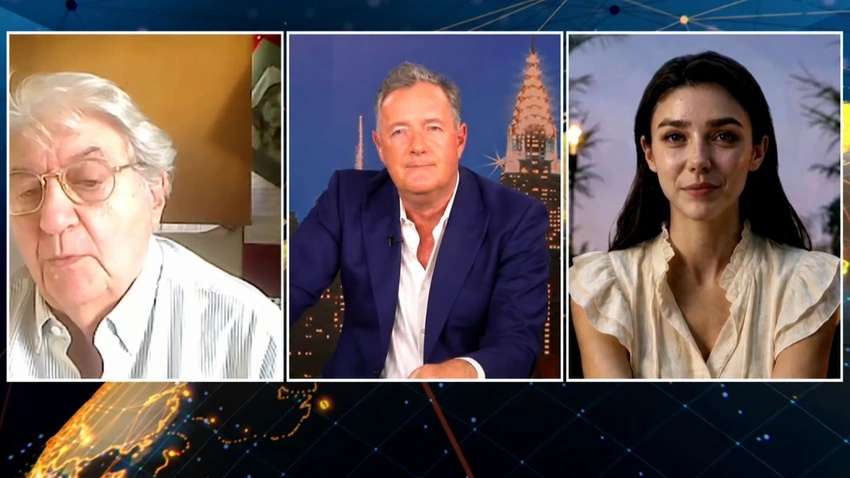
That's precisely what happened recently when “AI actress” Tilly Norwood, promoting her upcoming film Misaligned , appeared on Piers Morgan Uncensored . Asked by Oscar-nominated actor Tom Conti about the nature of her co-stars, human or digital, Tilly responded, “They're all digital twins, just like me. It's a hybrid production, which means…” before pausing, adopting a blank yet confident expression, and abruptly switching to Cantonese.
Piers Morgan's bewildered reaction,
You seem to be speaking Chinese completely randomly for no reason. Why did you do that?
perfectly captured the bizarre moment. Tilly's subsequent apology, “It seems I had a little hiccup there,” adding, “Sometimes my wires get a bit crossed, you know?” , was almost too human.
Eline van der Velden, CEO of Particle6, even mused that Tilly might have just been “showing off her language skills.”
But beyond the spectacle, this incident forces us to confront a deeper question: What does “authenticity” mean in an era where our entertainers can glitch? Is a moment of unexpected, albeit manufactured, error a step towards realism, or just a stark reminder of the machine behind the performance?
The entertainment industry is already grappling with the implications of synthetic performers. SAG-AFTRA has been clear, stating pointedly: “‘Tilly Norwood’ is not an actor, it’s a character generated by a computer program.” This distinction is critical, especially when discussions arise about AI performers competing for the same accolades as their human counterparts, a notion Tilly herself dismissed when she suggested they shouldn’t compete in the same Oscar categories.
We're not just talking about deepfakes or CGI characters anymore. We're discussing autonomous, interview-ready entities designed to engage and perform. When Tilly recites Shakespeare or playfully jokes about dinner with Piers Morgan and Tom Conti, it feels seamless.
But that “little hiccup” - the sudden switch to Cantonese - shatters the illusion. It's a stark reminder that beneath the polished veneer, there's code, algorithms, and the potential for a digital misstep.
Is authenticity dying? Perhaps not. But it's certainly evolving.
We may need to redefine what we consider “real” performance.
Does a perfect, glitch-free AI performance lack the very human element of vulnerability and unpredictability? Or does a machine's accidental humanity: its “hiccups”: offer a strange new form of connection?
What Happens When the Wires Cross?
This emerging landscape challenges us to look beyond the surface. As AI continues to integrate into storytelling, the moments when its “wires get crossed” might not just be technical glitches. They could be the most revealing, albeit unsettling, glimpses into the future of authenticity in entertainment, forcing us to decide where we draw the line between compelling art and clever code.

Login to comment.
No thots yet. Be the first to share your thoughts!