ICJ Opens Landmark Rohingya Genocide Case Against Myanmar

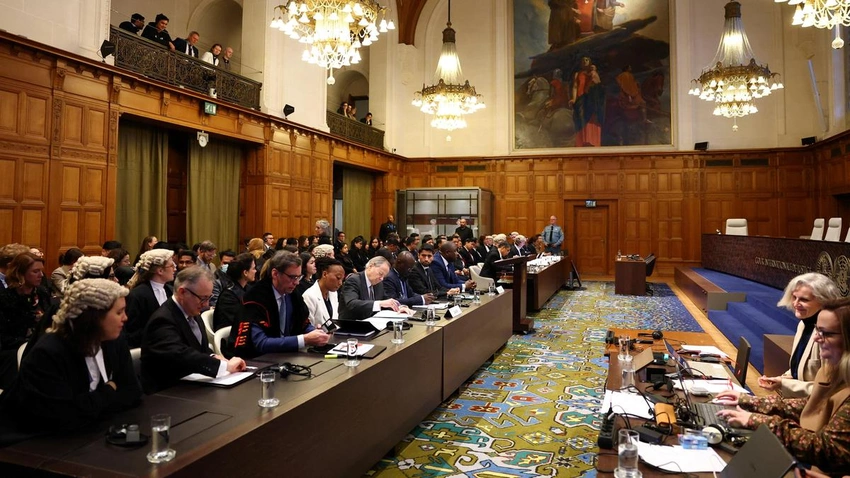
ICJ Opens Landmark Rohingya Genocide Case Against Myanmar
The International Court of Justice begins full hearings in a landmark genocide case over Myanmar's treatment of the Rohingya, a ruling that could redefine accountability under international law.
Groundbreaking hearings opened at the World Court in The Hague as The Gambia accuses Myanmar of genocide against the Rohingya, a mainly Muslim minority in Rakhine state. The case, the first genocide dispute the ICJ will hear in full in more than a decade, could set precedents for how genocide is defined, proven, and remedied. Myanmar denies the charges, saying the operations were a legitimate security response to attacks by militants. Advocates say the outcome will reverberate beyond Myanmar, potentially influencing other cases and ongoing debates about accountability for mass violence. Rohingya victims and refugees, speaking via interviews and statements, say they want justice and a clear recognition of the crimes committed. International investigators and rights groups emphasize that while the court cannot directly mete out criminal penalties, it can authorize measures to prevent further harm and obligate steps toward reparations. The hearing will examine evidence, legal arguments, and questions of state responsibility, while observers watch for how the court defines genocidal acts and the scope of preventive remedies. The case was brought by The Gambia in 2019, alleging genocidal acts including killings, mass rape, and forced displacement that sparked a mass exodus to Bangladesh. The proceedings are watched closely by rights advocates, regional neighbors, and survivors who seek accountability and long overdue justice.
