Indian Auto Journalism Is Broken: PR, Fear, and Zero Real Criticism

Indian Auto Journalism Is Broken: PR, Fear, and Zero Real Criticism
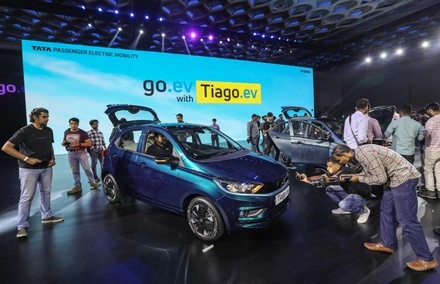
Indian auto journalism avoids criticism, lacks technical depth, promotes SUVs with empty buzzwords, and serves PR over car buyers.
Indian automotive journalism today looks busy, loud, and everywhere. But scratch the surface and it feels hollow. Reviews sound similar. Criticism is rare. Hard questions are missing. This is not about one channel or one journalist. This is about a system that rewards obedience and punishes honesty.
1. No Courage to Criticize Any Car or Company
Most Indian auto reviews feel like extended brochures. Every car is “good for its segment.” Every flaw is “manageable.” Serious criticism is avoided.
Why? Because access is power. If a journalist openly calls out bad brakes, poor stability, or unsafe handling, they risk losing press invites. They may stop getting test cars. This is openly discussed on Indian automotive forums like Team-BHP, where ex-reviewers and insiders have repeatedly hinted that negative coverage leads to silent blacklisting.
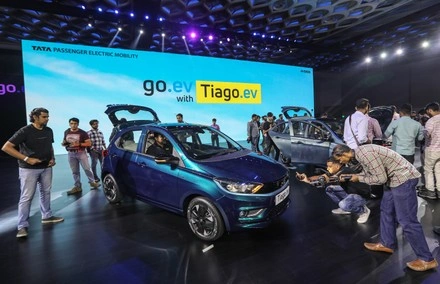
On YouTube, you can see the pattern clearly. Pre-launch reviews are always positive. Real criticism appears only years later, after the manufacturer no longer cares. That is not journalism. That is risk management.
2. Weak Technical Understanding and Shallow Comparisons
Most Indian auto journalists do not understand vehicle dynamics at a basic level.
They talk about power and torque numbers. They talk about features. But they rarely explain body roll in corners, steering feedback, brake fade, high-speed stability, chassis balance
You almost never hear comparisons like This car understeers early compared to its rival”, “This suspension loses composure over mid-corner bumps”. On enthusiast forums, owners often describe these issues in detail after living with the car. Yet reviewers ignore them. Why? Because explaining dynamics requires knowledge, seat time, and honesty. It is easier to read a spec sheet.
Even basic terms are misused. “Mileage” is still used instead of fuel efficiency. Mileage means distance already traveled. Fuel efficiency is km per litre. This mistake has been repeated for decades, even by senior journalists.
3. SUVs, “Road Presence,” and the Confidence Problem
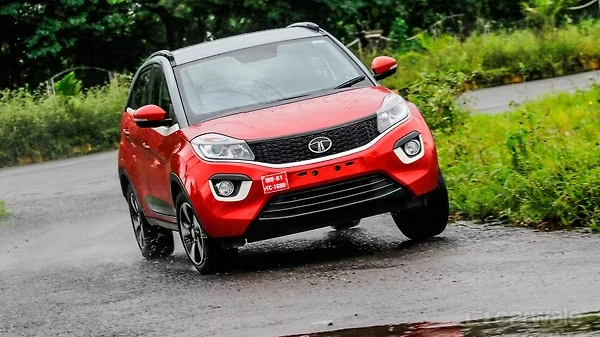
Indian auto media aggressively pushes SUVs. Every SUV has “great road presence.”
Let us be honest. “Road presence” often means size and visual intimidation. It does not mean better dynamics, safety, or efficiency.
This term is rarely questioned. It is used as a selling tool for buyers who feel bigger cars equal higher status. Many auto commenters have openly mocked this phrase, calling it a polite way of boosting ego. Rarely do journalists ask: Does this SUV brake well? Does it handle emergency lane changes safely? Is it actually needed for city use?
In global markets, SUVs are criticized for poor handling and efficiency. In India, they are celebrated blindly.
4. Silence on Dealer Malpractices and Customer Service
Why do Indian auto journalists rarely talk about dealer fraud, forced accessories, or warranty denial?
Legal cases exist. Consumer courts have fined dealers and manufacturers for unfair practices. These cases are regularly discussed on forums and social media. Yet mainstream auto media stays silent.
Surveys like JD Power customer satisfaction studies are occasionally mentioned, but never deeply analyzed. No follow-up questions are asked. No brands are held accountable.
Why? Because exposing dealers upsets manufacturers. And upsetting manufacturers means losing access. So the buyer is left alone to fight the system.
5. Journalism That Serves Brands, Not Buyers
At its core, Indian auto journalism has confused access with achievement.
Press cars are treated like privileges. Launch events are treated like rewards. Journalism becomes a transaction. Real journalism should ask uncomfortable questions. It should upset powerful companies. It should protect buyers.
Today, many Indian auto reviewers behave more like brand ambassadors than independent critics. Enthusiast forums and owner groups now do a better job of honest evaluation than paid professionals. That should worry everyone.

Closing Thought
Cars are expensive. Unsafe design, poor dynamics, and bad service have real consequences. When journalists stay silent, buyers pay the price. Indian automotive journalism does not need better cameras or faster uploads. It needs courage, competence, and independence.
