New UK Single-Sex Space Laws Spark Debate: What You Need to Know
New UK Single-Sex Space Laws Spark Debate: What You Need to Know
Major changes are here! UK's new guidance means single-sex spaces will now operate based on sex at birth, not gender identity. Understand the impact on schools, hospitals, and public services. #EqualityAct #TransRights #
New guidance has officially come into force in the UK, dictating that single-sex spaces, including toilets, changing rooms, and hospital wards, must now be used based on a person’s sex at birth, rather than the gender they identify as.
This significant shift follows more than a year after a landmark Supreme Court ruling concluded that transgender women are not legally women under the Equality Act. The new rules are set to impact a wide range of establishments, from restaurants, leisure centers, and hairdressers to public services provided by local councils and associations like sports clubs with at least 25 members.
The Supreme Court’s decision, which underpinned this guidance, affirmed the legal definition of a woman as being based on biological sex. This means, for instance, that single-sex toilets are to be utilized according to an individual's sex at birth. The implications are substantial, with estimates suggesting that nearly 13,000 toilets and over 5,000 changing rooms may need to adapt to these regulations.
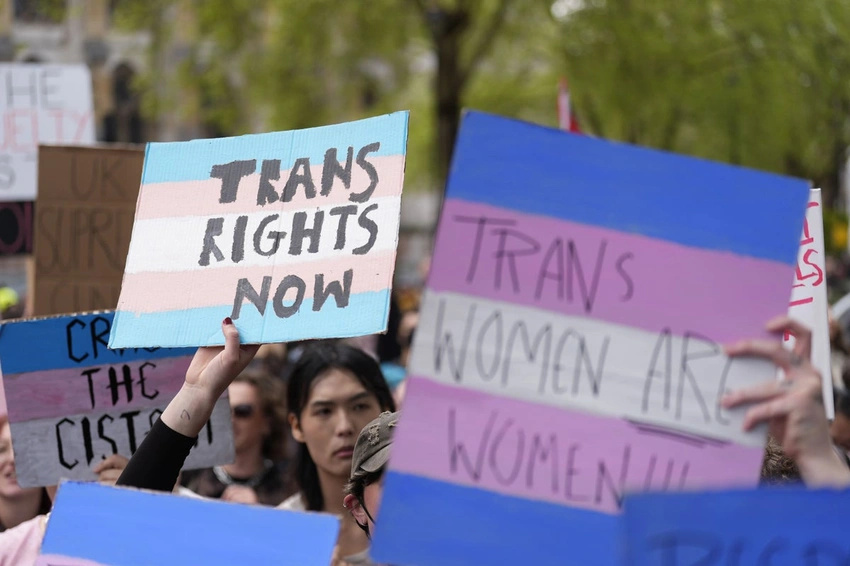
The introduction of these rules has been met with mixed reactions. Campaigners who advocate for sex-based rights have hailed the move as a victory, echoing sentiments such as “women are women and men are men.” Conversely, trans rights campaigners have voiced profound concern, describing the changes as “incredibly worrying for the trans community.”
Former Home Secretary Suella Braverman, now Reform UK’s equalities spokeswoman, has strongly supported the government’s stance, stating that it has been “dragged kicking and screaming into adopting simple common sense and protecting women’s-only spaces.” She further urged the government and the Equality and Human Rights Commission (EHRC) to enforce the law rigorously, criticizing what she termed “nonsensical woke definitions of gender” that she believes threaten the rights of British women and girls.
While the guidance clarifies the application of existing law, it also suggests potential solutions. Unisex services, such as self-contained lockable cubicles, are presented as a means to ensure the provision of facilities for everyone, noting that it would be “very unlikely to be proportionate to put a trans person in a position where there is no service that they are” able to use. This indicates an attempt to balance the new regulations with the need for inclusive provision, though the practical implementation and its broader impact remain subjects of ongoing debate.
