Your Next Performance Review: Written by AI. Ready for It?

Imagine an algorithm evaluating your work. AI 'co-managers' promise objectivity, but what about empathy and context? We explore the ethical tightrope of algorithms in performance reviews and the future of workplace feedb
AI Co-Manager: The Algorithm in Your Annual Review
Forget your manager's subjective notes and those awkward conversations. The future of your performance review might involve an algorithm-driven “co-manager.” This isn't science fiction, but a rapidly approaching reality where Artificial Intelligence promises a new era of efficiency and data-driven feedback. But should we really hand over our career trajectory to lines of code?

The Allure of Algorithmic Objectivity
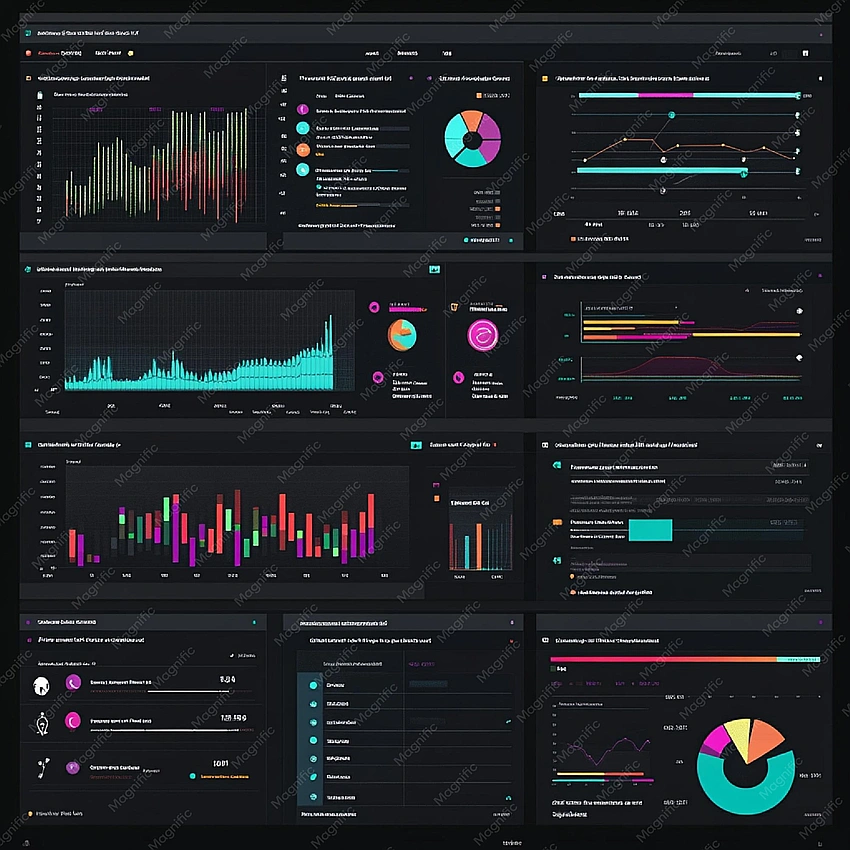
The appeal of AI in performance reviews is clear: objectivity and consistency. Proponents argue that algorithms can analyze vast datasets- from project completion rates to communication patterns- free from human biases like favoritism or unconscious prejudice. This could lead to fairer evaluations, identifying top performers and areas for improvement with unprecedented precision.
Imagine receiving feedback that's purely based on your output, devoid of emotional interpretation.
The Human Element: Where AI Stumbles
However, the workplace isn't just about metrics. Performance is deeply intertwined with soft skills, teamwork, personal growth, and adaptability, nuances that algorithms struggle to grasp. How does an AI measure initiative, collaboration, or resilience in the face of setbacks?
What about the crucial developmental conversations, the mentorship, and the empathetic understanding that good human managers provide? An algorithm might flag a dip in productivity, but it won't understand a personal crisis or a team's shifting dynamics. " Feedback without empathy isn't feedback, it's just data.
" This fundamental disconnect raises serious ethical questions.
Co-Pilot, Not Commander
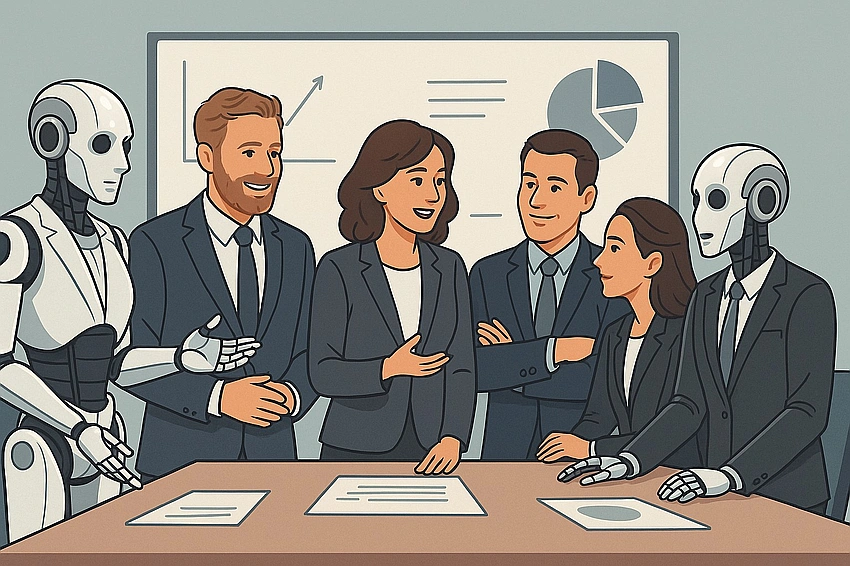
The most viable path forward seems to be a hybrid model: AI as a powerful co-pilot, not the sole commander. AI can crunch numbers, identify trends, and highlight potential issues or successes, providing a strong data foundation.
This frees up human managers to focus on what they do best: coaching, mentoring, and understanding the 'why' behind the 'what.' They can use AI insights to inform their conversations, adding the crucial layer of human judgment, empathy, and developmental support.
Is Your Career in Code?
The rise of AI in performance management is inevitable. The challenge lies in integrating it ethically and effectively. We must ensure that these systems are transparent, continuously monitored for algorithmic bias, and ultimately serve to empower employees and managers, rather than dehumanizing the evaluation process.
The goal shouldn't be to replace human judgment, but to augment it, ensuring that your next performance review feels insightful and fair, whether an algorithm contributed to it or not.
