Book-of-the-Month: How a Club Shaped Readers and Lost Its Crown

Book-of-the-Month: How a Club Shaped Readers and Lost Its Crown
Book-of-the-Month: How a Club Shaped Readers and Lost Its Crown
From a 1926 mail-order club to today's swipe-driven feeds, this history shows how Book of the Month steered American taste with human editors—and why the legacy still shapes what we read amid TikTok and Goodreads.
Every time I see a Book of the Month spine on Instagram, I’m reminded that it is the ghost of a century-old institution that once told middle-class America what to read and now has to compete with TikTok recommendations and Goodreads lists.
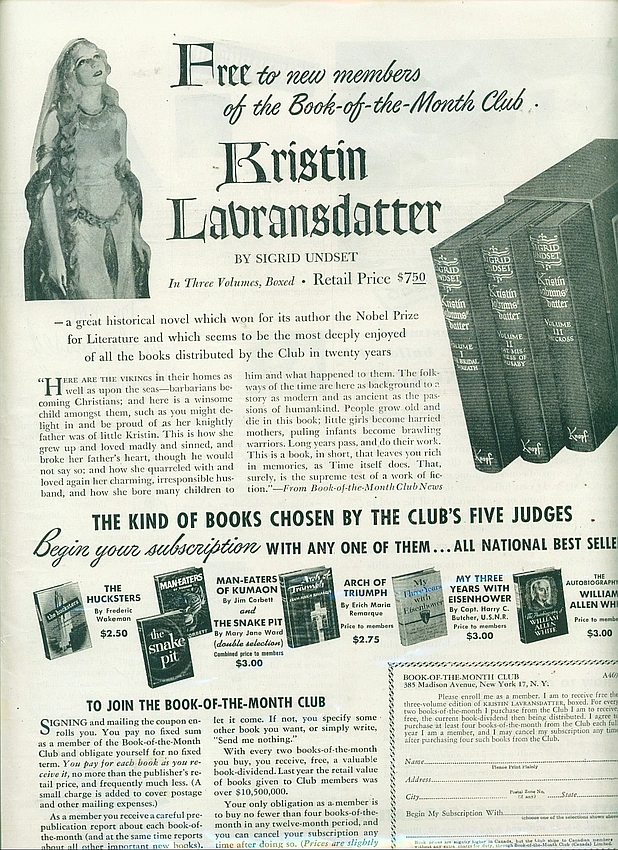
Book of the Month began in 1926 as a mail-order book club, founded by Harry Scherman and his partners in New York. The idea was simple and radical: a panel of judges would select a “good” new book each month and send it, by mail, to subscribers who might not have a nearby bookshop.
In other words, before algorithms, there was a small committee of humans in Manhattan deciding the taste of a whole nation.
Rise: manufacturing literary taste
For several decades, the Book-of-the-Month Club was a cultural filter. By the mid-20th century, it had distributed more than 200 million copies of books across the United States, especially to areas without easy access to bookshops. Being selected as a “Book of the Month” title became a marketing slogan in itself, stamped on covers as a guarantee of quality.
Cultural historians have argued that the club was central to creating a “middlebrow” reading public: it curated books that were respectable but accessible, serious but not too avant-garde. From a humanities perspective, this is fascinating: a private company effectively became an unofficial ministry of culture, exporting norms about taste, morality, and even gender and family life through the novels and non-fiction it chose.
Fall (the first time): the mail-order dream unravels
From the late 1970s onwards, the club was repeatedly sold and merged: acquired by Time Inc. in 1977, folded into Bookspan in 2000, and eventually sold to private equity and then to Pride Tree Holdings in the 2000s. This corporate pass-the-parcel mirrors a broader story: the decline of traditional mail-order culture in the face of big-box bookshops, discount retailers, and later, online shopping.
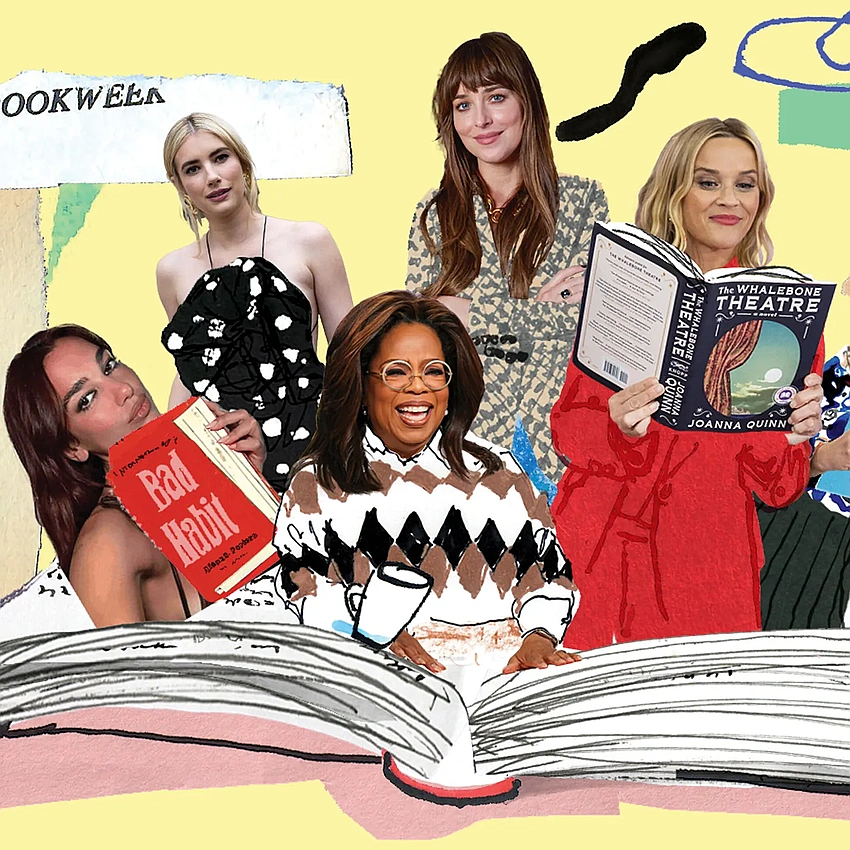
The original panel of judges was disbanded in the 1990s. Without that symbolic “council of elders”, the club lost some of its aura as an arbiter of taste. It became, in the public imagination, one book club among many, overshadowed by Oprah’s Book Club and the rise of celebrity-driven recommendations.
The canon was no longer being quietly formed in one office; it was being negotiated in a messy ecosystem of television, prize juries, university syllabi and, eventually, social media.
Rise again: the Instagram-ready subscription box
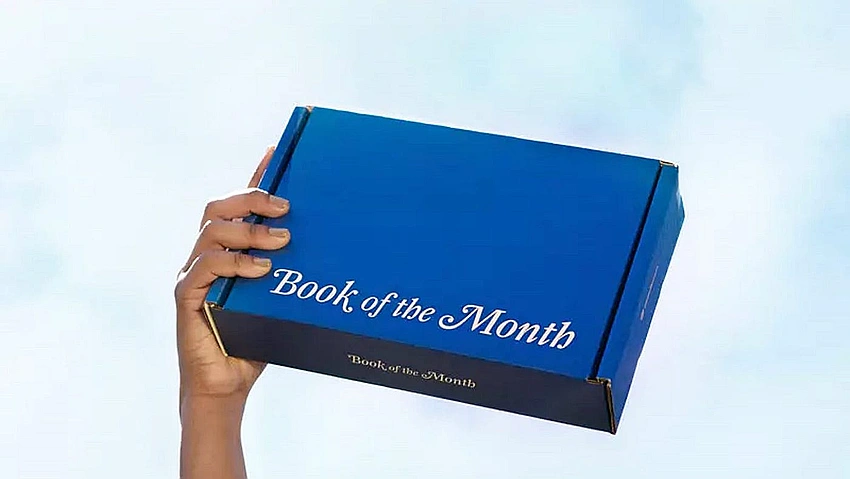
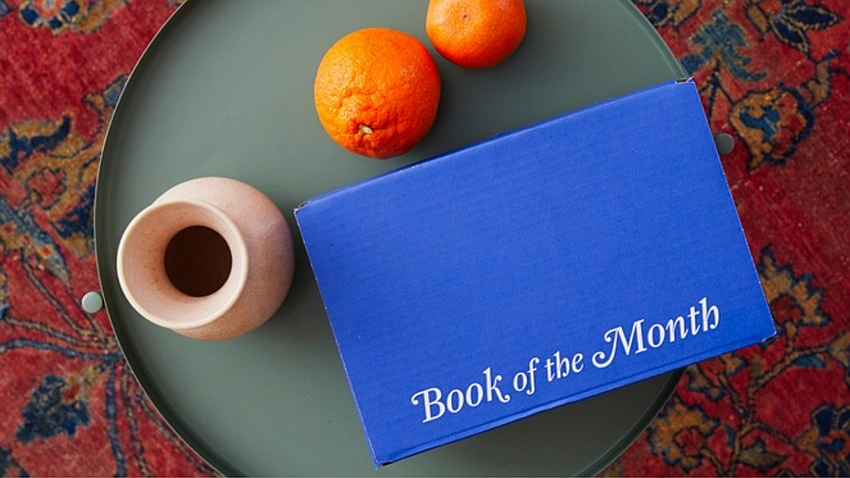
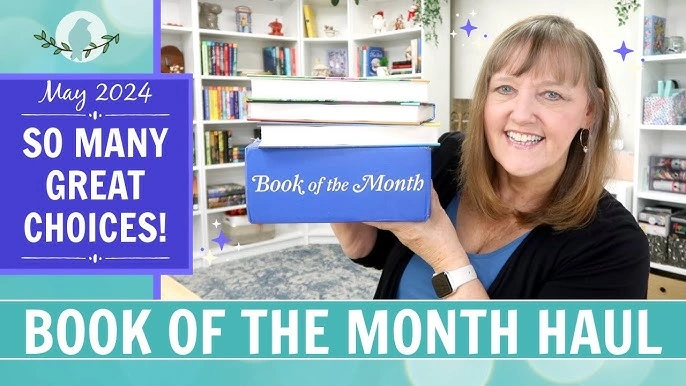
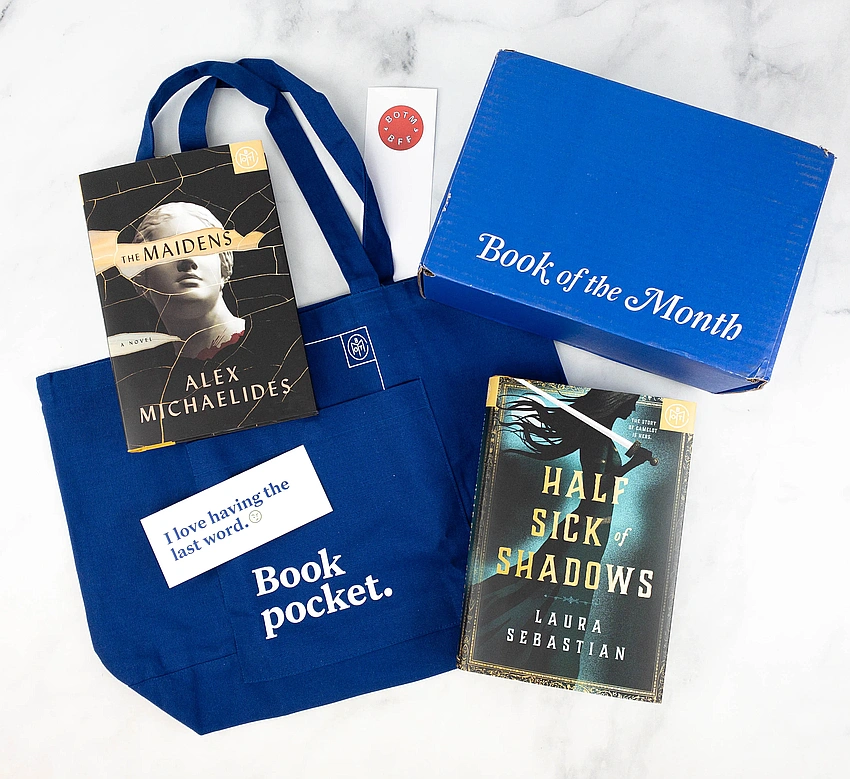
The story could have ended there, but in 2015, Book of the Month was relaunched under new ownership as an explicitly digital-first subscription service. Instead of one compulsory choice, members now receive a curated shortlist, typically five to seven new hardcovers, and use monthly “credits” to pick what they want.
Under CEO John Lippman, the company repositioned itself towards millennial (and now Gen Z) women, leaning heavily on Instagram aesthetics, influencer marketing and social media community. Within two years of the relaunch, membership reportedly passed 100,000, with over 1.5 million Instagram followers, and by the mid-2020s, industry coverage estimated hundreds of thousands of members and tens of millions of dollars in annual revenue.
A quieter fall: from gatekeeper to micro-influencer
And yet, from a humanities angle, this second act already contains its own kind of fall.
First, Book of the Month is no longer the central arbiter of literary taste. It now competes with BookTok trends, celebrity book clubs, Goodreads lists and Amazon algorithms. Members often cross-check picks against social media before spending their monthly credit. Reviews of the service in 2025 describe it as one option among many in a crowded subscription marketplace, valued for convenience and curated choice rather than cultural authority.
Second, the club’s role has subtly shifted from telling readers what they should read to predicting what they already want. Its emphasis on genres like contemporary fiction, romance and thriller, and its heavy focus on debut and “up-and-coming” authors, reflect a data-driven understanding of what performs well with its target demographic.
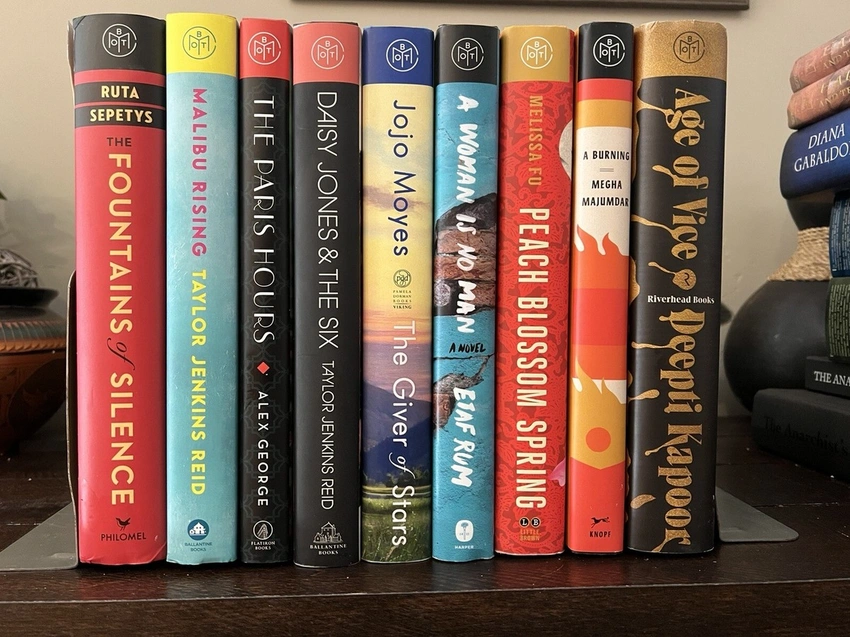
If the original Book-of-the-Month Club helped stabilise a middlebrow canon, today’s Book of the Month feels more like a micro-influencer inside the algorithmic attention economy: still powerful, but far less singular.
What this reveals about reading now
Its first rise was about building a national reading public and giving a commercial shape to literary aspiration. Its fall was the slow erosion of that monopoly on taste.
The second rise is about brand survival in a digital capitalism that loves subscription models, and the second fall is more existential: a loss of cultural centrality in a world where everyone, theoretically, can be their own book club.
As a humanities student, I find that tension oddly moving. Book of the Month began as an attempt to make books cheaper, more available, and more social. A hundred years later, it is still doing something similar, but now in an environment where abundance itself is the problem. We don’t need help getting access to books; we need help finding meaning in a limitless scroll of options.
In that sense, the club’s story is about how the structures that once mediated our reading have been absorbed, fragmented, and repackaged for the age of the algorithm. Book of the Month rose as a gatekeeper and fell into being one voice among many. Whether we see that as liberation or loss probably says as much about our own reading habits as it does about the club itself.
[#BookOfTheMonth', '#LiteraryHistory', '#ReadingCulture', '#BookTok', '#PublishingHistory'
