NGT clears Great Nicobar project; Congress calls it deeply disappointing

NGT clears Great Nicobar project; Congress calls it deeply disappointing
Congress says NGT clearance could bring long-term ecological costs, arguing safeguards won't prevent damage as legal challenges persist.
The Congress on Monday slammed the National Green Tribunal’s clearance of the Great Nicobar infrastructure project as 'deeply disappointing,' arguing the conditions cited by the tribunal will do little to curb long-term ecological damage. Jairam Ramesh, Congress general secretary in-charge of communications, said there is clear evidence the project could lead to ecological disaster and that the ongoing Calcutta High Court case remains the only beacon of hope.
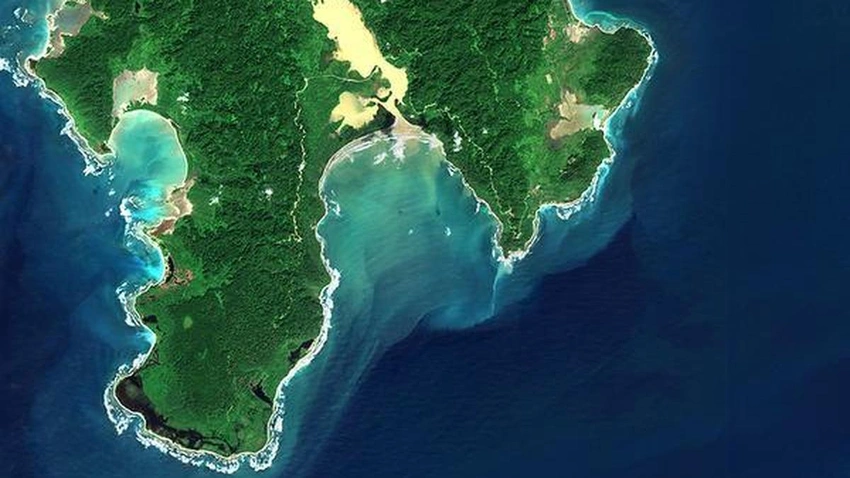
The NGT’s six-member special bench disposed of challenges to the mega scheme, noting there were 'adequate safeguards' in the environmental clearance and deciding there was 'no good ground to interfere'. The tribunal highlighted the project’s strategic importance, described as a potential transshipment hub with a footprint that includes an international container terminal, an international airport, a power plant, and a township as part of Great Nicobar’s holistic development.
Critics have pointed to procedural, ecological, and displacement concerns tied to transforming a remote island into a major hub, arguing the plan could alter ecosystems and livelihoods. The matter has also drawn attention in political circles, with Sonia Gandhi and other leaders questioning the handling of the project under the current government. Ramesh even shared excerpts of exchanges with the Environment Minister on social media, indicating ongoing political friction over the project.
Despite the controversy, the NGT’s ruling framed the clearance as balanced by safeguards and stressed the project’s national strategic value, underscoring the broader debate between development ambitions and ecological protection on a fragile island terrain.
