India-US Trade Deal: Tariffs Fall to 18% as Debate Heats Up

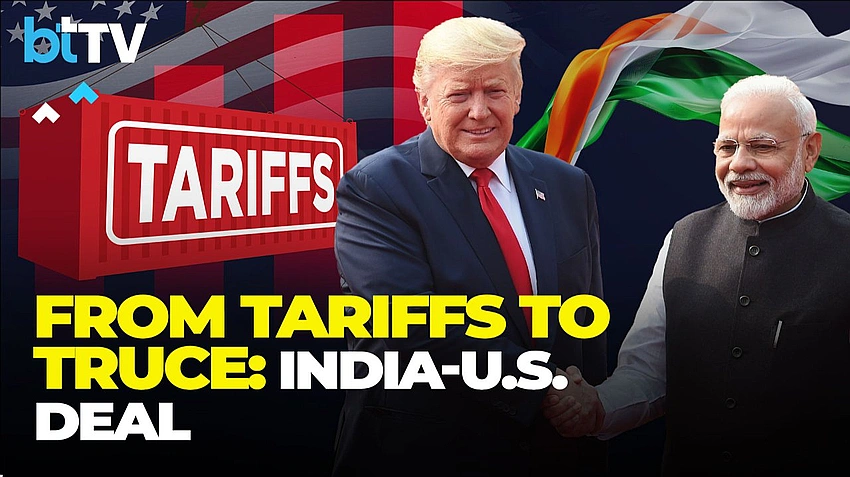
India-US Trade Deal: Tariffs Fall to 18% as Debate Heats Up
India and the US strike a tariff deal easing access to the American market, but critics warn about concessions on energy and autonomy.
In a move poised to reshape bilateral commerce, Washington and New Delhi have announced a trade reset that lowers reciprocal tariffs on Indian goods to 18%, down from 25%. Officials describe the pact as a significant step in expanding India’s access to the vast US market and accelerating export growth across sectors such as rice, FMCG, pharma, and electronics. The deal is also seen as a diplomatic win for Prime Minister Modi, reinforcing a perceived personal rapport with President Trump that helped drive the agreement. Yet the text carries a raft of contentious provisions: concessions on Russian oil purchases, a push for India to buy more American goods, and guardrails designed to preserve India’s strategic autonomy. Critics worry the concessions could tilt advantages toward certain sectors while leaving farmers and vulnerable communities exposed. A sealed pact abroad has ignited fierce home debate over what India might have given up in pursuit of a broader economic reset.
Inside Parliament and among opposition voices, leaders like Rahul Gandhi and Priyanka Gandhi Vadra characterized the deal as evidence that the government bowed to Washington, potentially compromising farmers’ livelihoods and national autonomy. The government counters that protections are embedded, with phased implementation and safeguards aimed at easing transitions for farmers, small manufacturers, and other stakeholders. Proponents argue that the widening of market access, lower duties, and clearer rules for trade will help diversify supply chains and spur domestic manufacturing, aligning with the Make in India objective while buffering against tariff swings.
Industry analysts describe this moment as a shift after a period of tariff wars, noting that India now sits among the lower-tariff economies under the current US administration. For Indian exporters, especially in rice and consumer goods, the 18% rate translates into cost reductions and enhanced competitiveness in US retail channels. However, the deal remains a work in progress, with lingering questions about agriculture subsidies, steel, pharmaceuticals, and electronics, where policy choices at home could intersect with the agreement’s terms. As implementation unfolds, the broader geopolitical stakes—energy security, supply chain resilience, and regional alliances—will shape how the pact influences India’s autonomy and its role on the global stage.
Ultimately, the accord tests how far New Delhi will align with Washington on strategic matters while preserving its own industrial and energy strategies. With concrete timelines, subsidy mechanisms, and sector-specific exemptions still to be clarified, stakeholders are watching closely for the real-world impact on farmers, manufacturers, and consumers. The coming months will determine whether this trade reset translates into durable growth or sparks fresh political contest over who gains from a newly recalibrated US-India relationship.
