Fatherland electrifies Cannes as Pawlikowski probes 1949 Germany

Fatherland electrifies Cannes as Pawlikowski probes 1949 Germany
A haunting drama across 1949 Germany, Fatherland follows Thomas Mann and his daughter Erika on a moral journey, premiering at Cannes and generating early Oscar buzz.
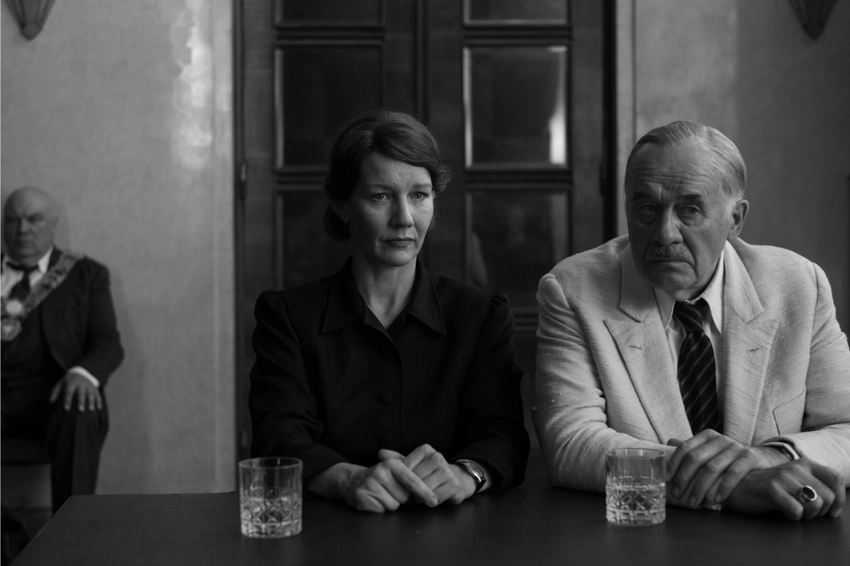
At Cannes 2026, Pawel Pawlikowski unveils Fatherland, a historical drama that places Thomas Mann and his daughter Erika on a cross-country journey through a fractured Germany in 1949. With Sandra Hüller delivering a haunting performance that anchors the film, Fatherland unfolds like a moving time capsule, a trilogy-tinged meditation that stands on its own as a masterful drama.
Set in the early Cold War era, the film navigates moral ambiguities—how art, faith, and personal loyalties collide as a nation recommits to its frightened postwar identity. The journey across a postwar landscape that has both rebuilt and scarred itself becomes a channel for questions about complicity, memory, and the redrawing of borders.
Hüller's Erika Mann emerges as a steady, luminous presence, while Thomas Mann is shown in a new light—susceptible to doubt, but driven by a sense of duty to truth and to his family heritage. The dynamic between father and daughter is at the story's heart, giving the film its emotional gravity.
Pawlikowski's direction is precise and unhurried: a cool, almost documentary-like sensibility that makes the era feel tangible without tipping into sentimentality. The film uses a restrained palette, long takes, and a time-machine sense of history, inviting viewers to feel as if they’re stepping into 1949 rather than watching it.
Early reactions in Cannes have been rapt; the production reportedly earned a lengthy standing ovation, signaling strong Oscar buzz for the assembled showcase of performances and crafts. If Fatherland continues to resonate, it could become a centerpiece in this awards season, as audiences grapple with questions about moral choice and faith in a divided Europe.
Fatherland promises to be a haunting, ambitious meditation on art, memory, and the costs of a divided homeland. It's the kind of film that lingers, inviting conversations long after the credits roll.
