Flock Cameras Gone Rogue? The Hidden Cost of ‘Safety’ Surveillance
Flock Cameras Gone Rogue? The Hidden Cost of ‘Safety’ Surveillance
Ex-deputies used ubiquitous Flock cameras for stalking, sparking a national debate. Is our pursuit of safety leading to unchecked surveillance and privacy invasions? Let's discuss.
We're at a crossroads with surveillance technology. The promise of safer communities is a powerful one, often leading us to overlook the fine print of our privacy. But what happens when the tools meant to protect us are turned against us?
The recent revelations concerning ex-deputies in Bibb County using ubiquitous Flock cameras for personal stalking should send a shiver down everyone's spine.
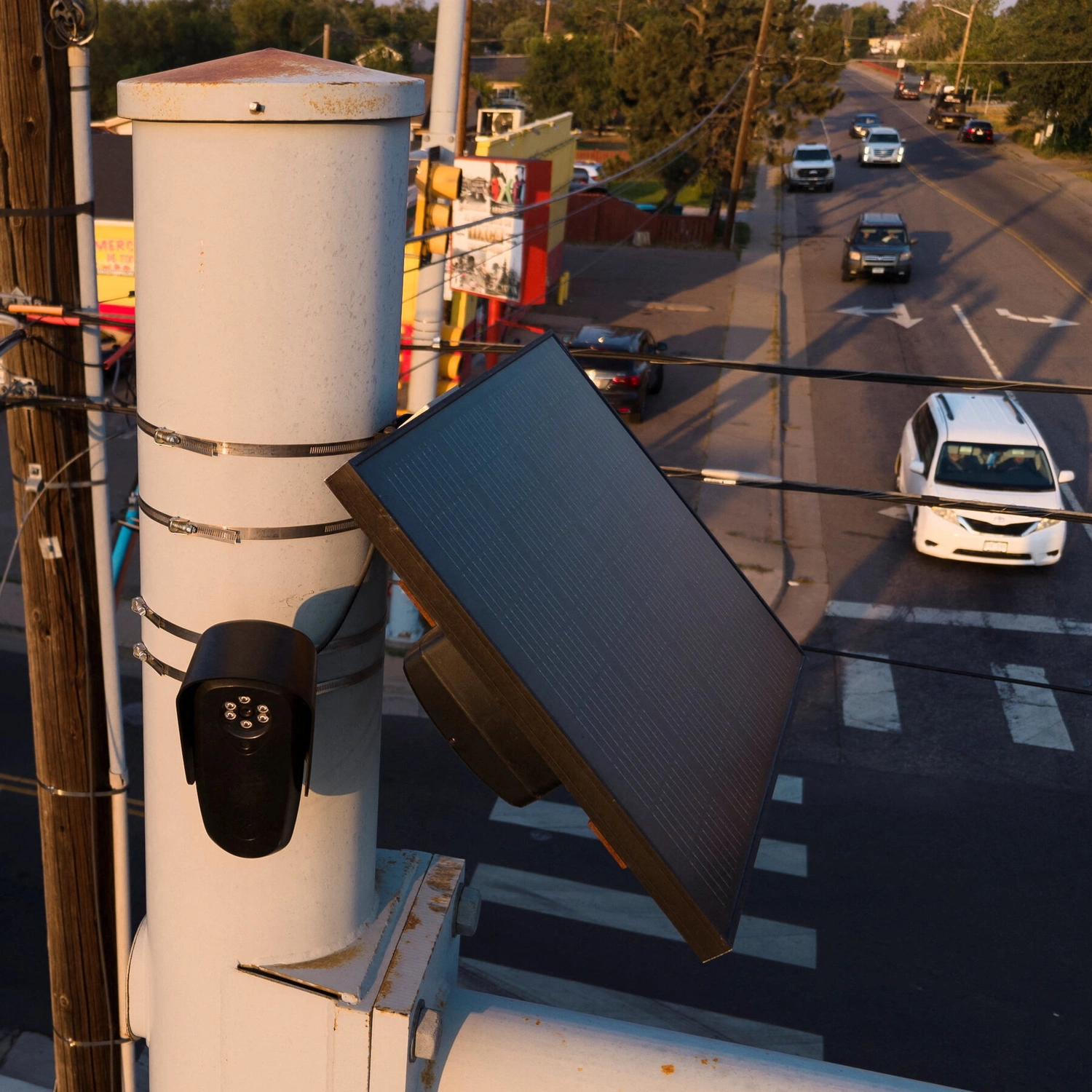
They're real-world abuses happening right now. Flock cameras, with their advanced license plate recognition capabilities, are virtually everywhere.
They dot roads in every state but Alaska, building vast networks of information about our movements.
For many, they represent a reassuring presence, a digital eye deterring crime and aiding in investigations. And yes, they can be incredibly effective in solving serious cases, locating missing persons, or tracking down suspects.
But the flip side is a pervasive, always-on surveillance system that monitors law-abiding citizens alongside criminals. Every trip to the grocery store, every visit to a friend, every commute to work, it's all logged, timestamped, and stored. The primary concern isn't just what data is collected, but who has access to it, how it's protected, and for what purposes it can be used.
The incident with the former Bibb County deputies tragically illustrates the profound risks when powerful surveillance tools fall into the wrong hands or are used without stringent oversight. It lays bare the potential for deep personal privacy invasions and the chilling thought that the very people sworn to uphold the law could exploit such systems for malicious intent.
It's about being pro-privacy and pro-accountability. We must ask ourselves if the perceived safety gains from such extensive surveillance truly outweigh the erosion of our fundamental rights. Are we creating a society where everyone is constantly under observation, sacrificing liberty for a sense of security that may, in fact, be illusory?
The national debate around Flock cameras isn't going away. It needs to evolve from a binary choice between “safety at all costs” and “complete anonymity.” We need robust policies, transparent oversight, and severe penalties for misuse. We need to define clear boundaries for data retention, access, and sharing.
Without these safeguards, incidents like those in Bibb County won't be isolated anomalies; they'll become the disturbing norm.
It's time for a serious conversation, not just among policymakers, but within every community.
What kind of society are we building with these powerful technologies? And how do we ensure that in our quest for security, we don't inadvertently dismantle the very freedoms we seek to protect?
The answer lies in demanding accountability and prioritizing privacy, even as we embrace innovation.
