Lula Accuses Trump of Forging a 'New U.N.' with Board of Peace

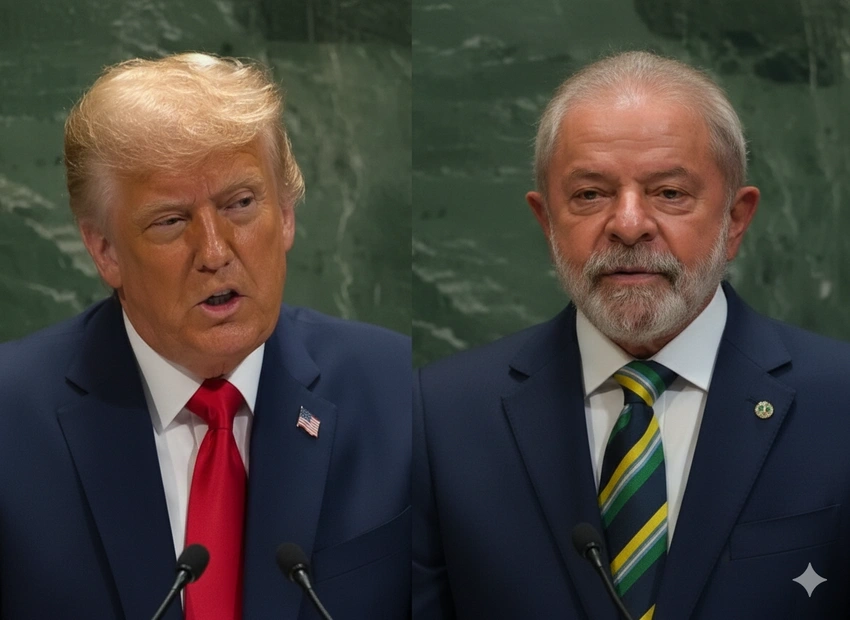
Lula Accuses Trump of Forging a 'New U.N.' with Board of Peace
Lula slams Trump's Board of Peace as a billionaire-led attempt to supplant multilateralism, sparking worldwide debate at Davos.
At Davos, Brazilian President Lula da Silva challenged Donald Trump's dramatic new project, the Board of Peace, arguing it amounts to steering global diplomacy toward a single billionaire-led agenda and risks creating a 'new U.N.' with its own permanent chair led by Trump. He warned that instead of fixing the United Nations, the world could be moving toward a separate, owner-controlled body. The BoP was unveiled at the World Economic Forum, with 19 countries signing its founding charter, but the move has drawn skepticism from key allies who question its scope and legitimacy. A standout feature touted by supporters is the high-stakes governance model, including a permanent chair and a price tag of $1 billion for a seat—a structure many say could distort international decision-making rather than broaden it. Lula defended multilateral approaches, stressing that a rule-based, inclusive system remains essential to global peace and stability. The Indian and Chinese leaders, among others, have urged safeguarding the central role of the United Nations in international affairs, signaling that even allies are wary of substituting established institutions for a new, Trump-led mechanism. France described the charter as incompatible with existing commitments, while Britain signaled doubts about the plan’s compatibility with long-standing international obligations. London’s stance also reflected concerns about who would be included, amid reports that Putin’s participation remained controversial. In a separate line of dialogue, Lula spoke by phone with Xi Jinping, who emphasized preserving the UN’s central role. Trump has indicated the Board of Peace could, in some scenarios, replace or supersede the UN in Gaza’s rebuilding process, a provocative claim that has intensified debate about the future of international conflict resolution. As this unfolds, observers say the BoP’s real influence will hinge on membership, funding, and the charter's practical limits or expansions beyond Gaza.
