Supreme Court Halts Trump's Mail Ballot Restrictions Ahead of Midterms!
Supreme Court Halts Trump's Mail Ballot Restrictions Ahead of Midterms!
In a major blow to the Trump administration, the U.S. Supreme Court has blocked new Postal Service rules aiming to restrict mail-in voting. Find out what this means for the upcoming midterm elections and voting rights!
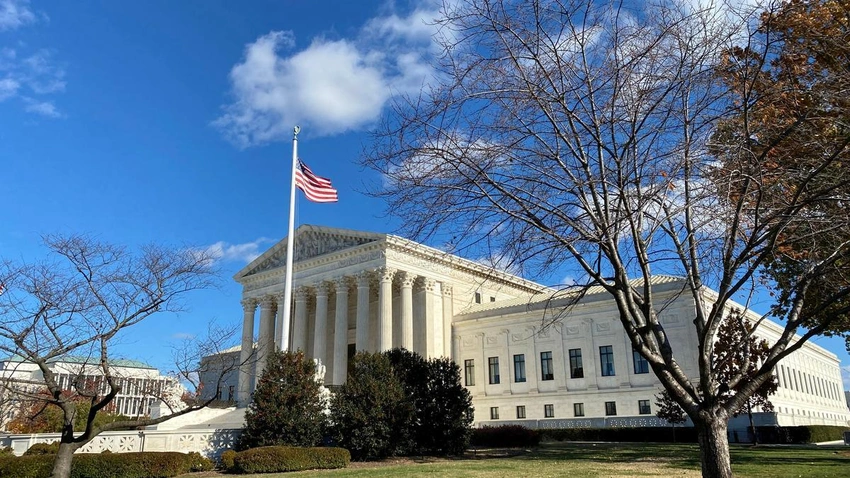
The U.S. Supreme Court delivered a significant blow to President Donald Trump's efforts to restrict mail-in voting, declining on Monday (September 14, 2026) to allow the U.S. Postal Service (USPS) to enforce new rules targeting mail-in ballots.
This decision comes ahead of November's crucial midterm elections, which will determine control of Congress.
The Justices denied a request from the Justice Department to overturn a ruling by Boston-based U.S. District Judge Indira Talwani. Judge Talwani had blocked the USPS from enforcing its measure while legal challenges from various states and voting-rights groups proceed.
The Postal Service had adopted these measures following a March executive order from President Trump, aimed at tightening regulations around mail voting.
In its brief, one-paragraph order, the Supreme Court stated that
The government is unlikely to succeed on the merits of its challenge to the District Court’s preliminary injunction.
This echoes a similar ruling by Washington, D.C.-based U.S. District Judge Carl Nichols, who also blocked the new rule on Sunday (September 13, 2026).
Under the proposed new rule, states would have been required to provide lists of mail ballot recipients to the Postal Service and use agency-approved outbound and return envelopes fitted with unique barcodes. The USPS could then have refused to send ballots that didn't comply or were associated with voters not on the lists.
Critics argued that this plan could disrupt the delivery of thousands of legitimate ballots and cause chaos, especially given many states' imminent plans to send out mail ballots.
The administration claimed the new rule would prevent voter fraud, although evidence of widespread fraud is rare. President Trump signed his executive order after years of questioning the security of mail-in ballots, despite often voting by mail himself. He has previously made false claims of widespread fraud in U.S. elections, including his 2020 loss.
Justices Samuel Alito and Clarence Thomas, both conservative members of the 6-3 conservative majority court, dissented from Monday's decision. Justice Alito compared some challengers' claims to a “Hail Mary pass” and emphasized the Postal Service's broad authority to regulate mail. However, no other Justice publicly dissented.
A coalition of predominantly Democratic-governed states, along with Washington, D.C., and several voting-rights groups, had challenged the new USPS rule. The 1st U.S. Circuit Court of Appeals had also refused to put Judge Talwani's order on hold, stating the rule
will likely result in the disenfranchisement of millions of voters across the country while providing minimal - if any - gains in combating voter fraud.

Login to comment.
No thots yet. Be the first to share your thoughts!