Vivienne Westwood: The Punk Provocation That Redefined Fashion Forever

Vivienne Westwood: The Punk Provocation That Redefined Fashion Forever
Vivienne Westwood: The Punk Provocation That Redefined Fashion Forever
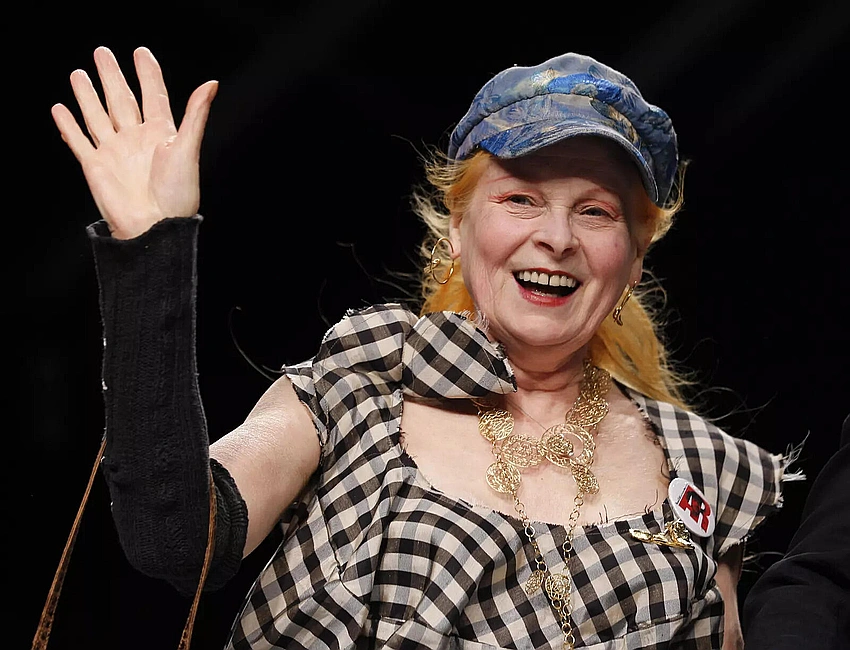
Fashion, in its most vital form, is not merely about clothing but about the stories garments can tell and the worlds they can unsettle. Few designers exemplify this truth as vividly as Dame Vivienne Westwood (1941–2022), whose work did more than adorn the body: it shook the cultural foundations of the late twentieth century and re-imagined what fashion could mean.
 Fashion as Cultural Dissent
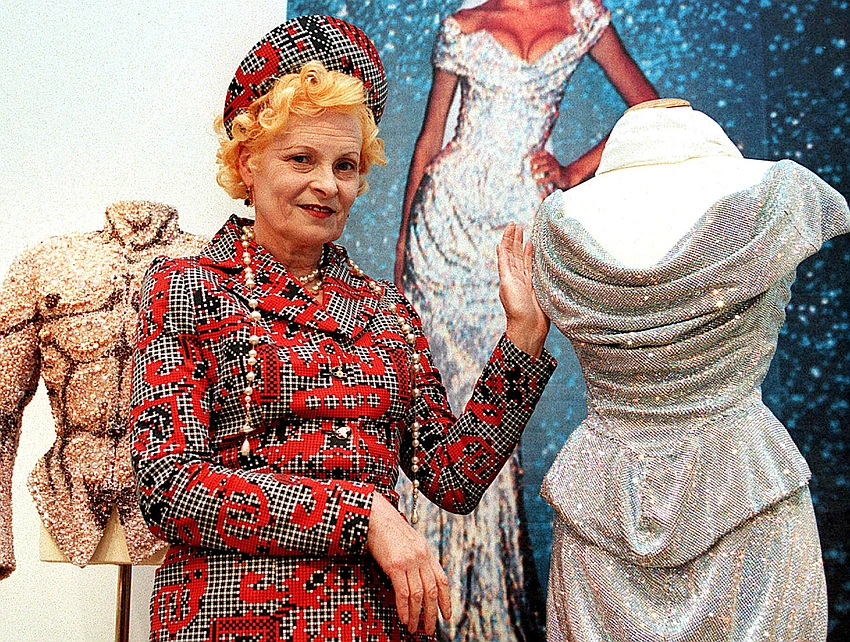
Westwood’s rise to cultural prominence began not on the polished runways of Paris or Milan, but on the gritty thoroughfares of London’s King’s Road. There, in collaboration with Malcolm McLaren, she managed a boutique that underwent a series of identity shifts; from Let It Rock to the infamous Sex, each iteration challenging the prevailing norms of dress and decorum.
What distinguished Westwood’s early work was its visceral refusal to placate. T-shirts emblazoned with provocative slogans, bondage trousers laden with straps, and garments that exposed their own seams became signatures of a broader cultural ferment. These clothes did not simply embellish; they spoke. They articulated a visceral critique of class, consumerism, and conformity, embodying the disillusionment of Britain’s youth in the 1970s.
 This was fashion as dissent. In turning everyday attire into an act of defiance, Westwood shaped not just aesthetic sensibilities but a political language. Punk, often understood through its music, found its sartorial manifesto through her designs.
Beyond Anarchy: Reinvention and Historical Dialogue
If the punk era marked Westwood’s most explosive entrance into the cultural imagination, her subsequent evolution revealed a designer in constant dialogue with history. By the early 1980s, she had moved away from raw provocation towards what commentators have termed “new romantic” aesthetics which was an engagement with historical costume, corsetry, and classical forms that reimagined the past without stripping it of critical edge.
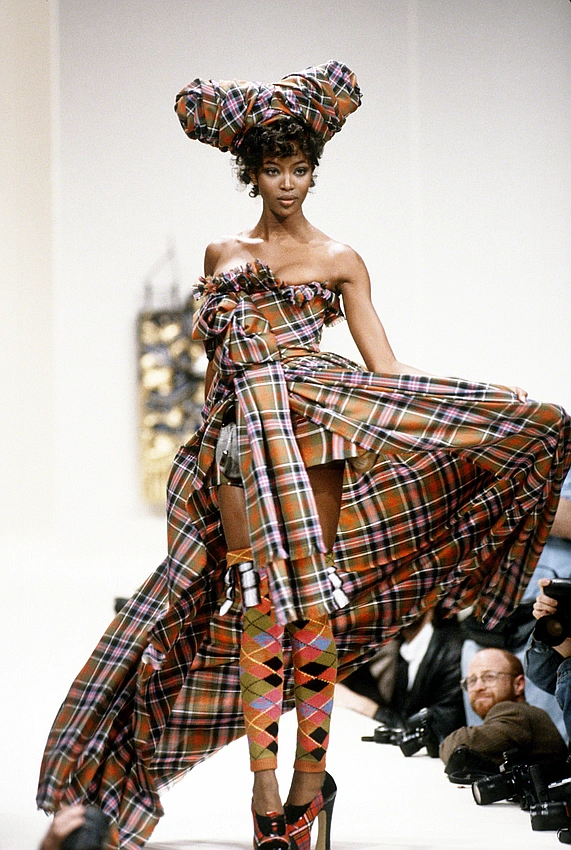
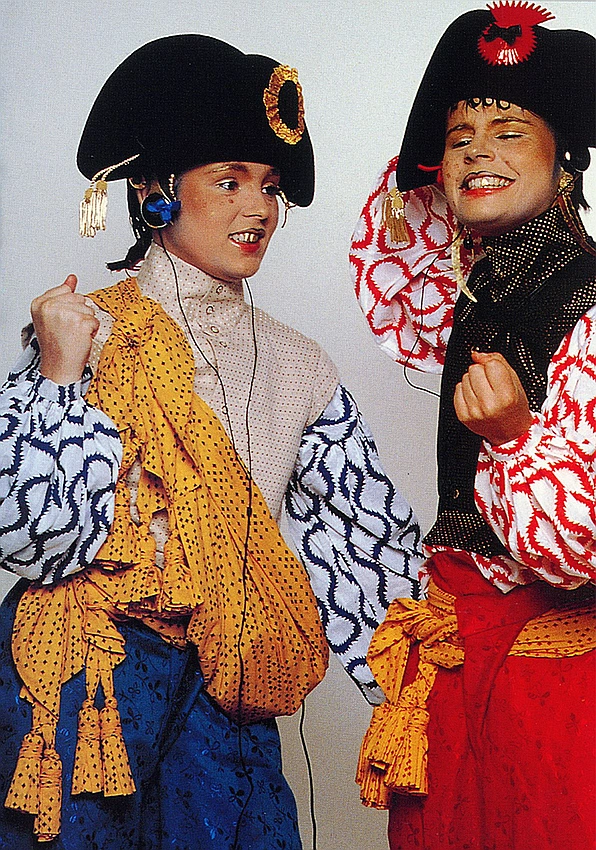
Collections such as Pirate (1981-82) drew on 17th- and 18th-century silhouettes, repurposing them within a contemporary avant-garde idiom. Corsets became outerwear; tartans and voluminous skirts carried with them both memory and subversion.

This period demonstrated Westwood’s capacity to negotiate tradition and rebellion simultaneously. Rather than merely reviving historical forms, she interrogated the cultural hierarchies those forms represented, transforming them into tools of critique. The result was a body of work that felt at once learned and insurrectionary; a rare combination in an industry often obsessed with novelty for its own sake.
Fashion and Activism: Clothes with a Conscience
Westwood’s legacy extends beyond aesthetics into an impassioned engagement with the social and ecological crises of her time. In later decades, she used her platform to critique rampant consumerism and to advocate for sustainability long before these concerns became widespread within the fashion industry.
Her oft-cited credo, “Buy less, choose well, make it last”, is more than marketing rhetoric: it encapsulates a profound critique of throwaway culture and the environmental toll of fast fashion.
 Westwood’s activism extended into public rallies, speeches, and collaborations with environmental organisations. Her fashion shows and public appearances became stages for pressing global issues, from climate change to human rights. In this regard, she redefined the fashion designer not merely as an arbiter of taste but as a public intellectual and cultural critic.
Legacy: A Revolution Worn on the Body
Dame Vivienne Westwood’s impact on contemporary culture cannot be overstated. She was pivotal in bringing punk and new wave aesthetics into the broader consciousness, influencing music, art, and street culture far beyond the confines of the fashion world.
Her work altered the grammar of clothing, proving that garments can carry political weight and that fashion can be a site of resistance rather than mere ornamentation. Even after her death in 2022, her influence persists, as seen in ongoing exhibitions and retrospectives that continue to interrogate her radical contributions to design and culture.
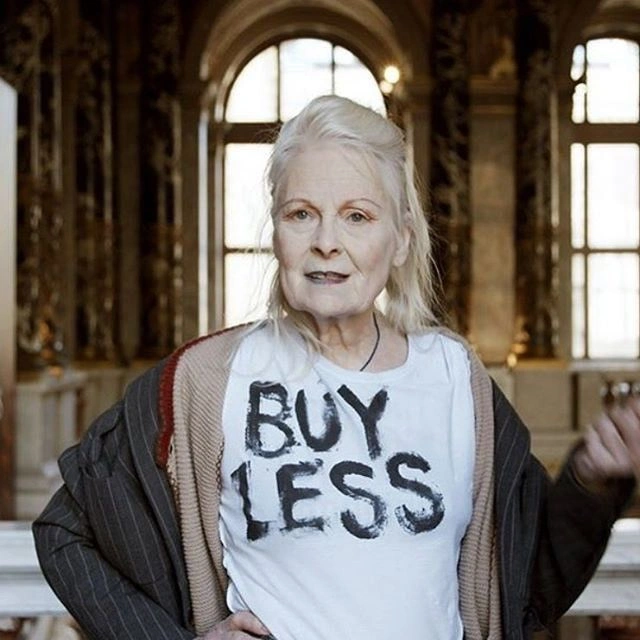 In an industry often criticised for superficiality, Westwood’s career stands as a testament to what fashion can achieve when it dares to contend with the social, the political, and the historical. Her legacy remains woven into the very fabrics we wear—and into the cultural imagination itself.
Vivienne Westwood was, in every sense, a revolution made visible. Her designs were not just clothes but cultural texts—complex, provocative, and eternally influential. As we trace the contours of contemporary fashion, her imprint endures: a reminder that fashion, when engaged with fearlessly, can be a potent force for questioning the world and envisioning new possibilities.
#VivienneWestwood #PunkFashion #CulturalDissent #FashionHistory #WestwoodLegacy
