Is Nolan’s Odyssey faithful to Homer or just cinematic language?

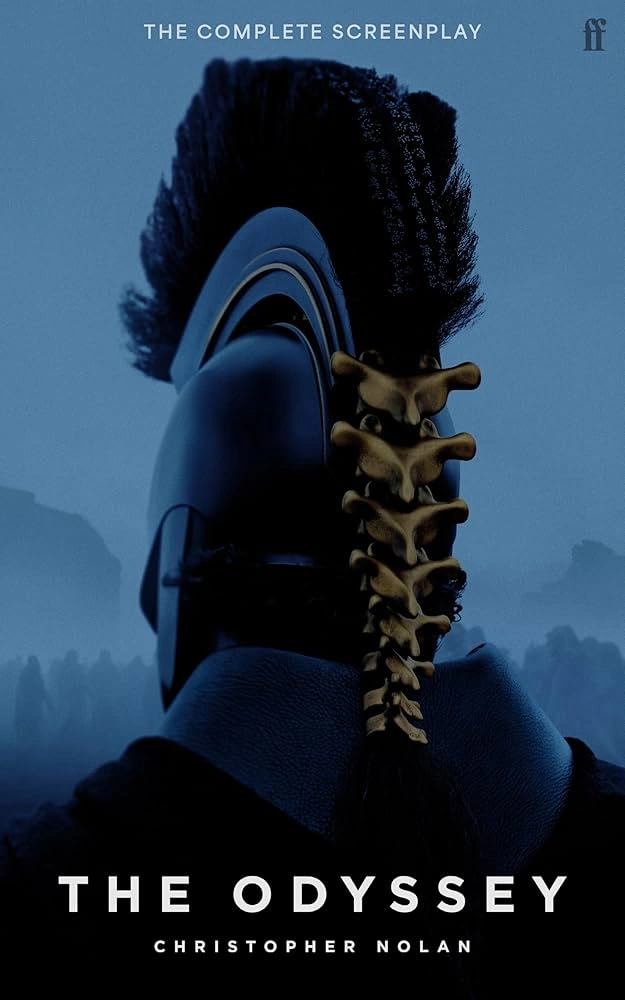
Is Nolan’s Odyssey faithful to Homer or just cinematic language?
Is Nolan’s Odyssey faithful to Homer or just cinematic language?
An insightful take on Christopher Nolan’s The Odyssey, arguing that fidelity means honoring Homer’s core themes rather than exact replication. The piece explores how Nolan reshapes the epic through cinematic language whi
Here's something curious about the reception of Christopher Nolan's The Odyssey. Before the film was even released, much of the conversation revolved around one question: Will it be faithful to Homer? After release, however, the debate shifted. Scholars of Homer, classicists, and critics largely agreed on one point. Nolan changes plenty of details, but he preserves something more fundamental than plot. He remains remarkably faithful to the epic's central concerns, even while reshaping them through his own cinematic language.
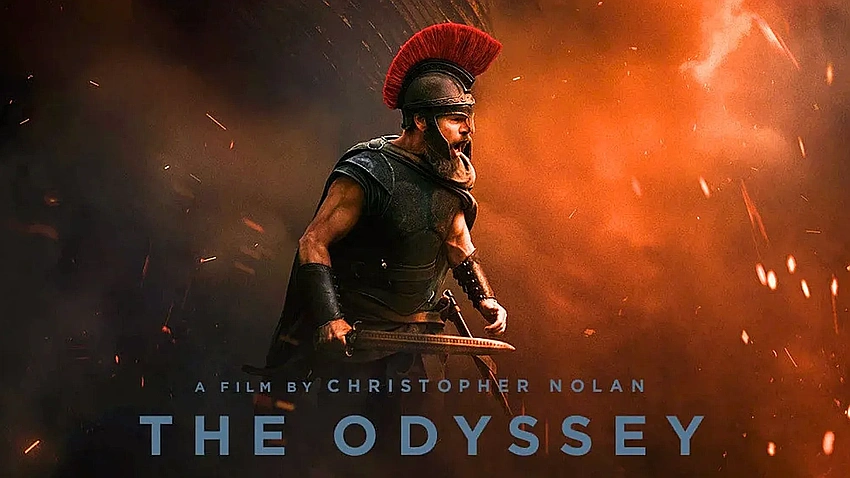
Fidelity is More Than Accuracy
Whenever a canonical text is adapted, audiences tend to measure success by what has been omitted, condensed, or rewritten. This approach assumes that fidelity means replication. Yet adaptation theory has long challenged this idea. A film is not a translation but an interpretation. Different media inevitably demand different rhythms, structures, and emphases.
Homer's Odyssey itself was never a fixed text. It emerged from an oral tradition, changing through performance long before it acquired written form. The poem has survived precisely because every generation has found new ways to retell it. Nolan enters that tradition rather than standing outside it.
Many reviewers have catalogued the changes he makes, from omitted episodes to reworked endings and altered character motivations. These are substantial departures. Yet they rarely dismantle the emotional architecture of the epic. Instead, they redirect attention towards ideas that modern audiences instinctively recognise while remaining rooted in Homer's original concerns about homecoming, identity, endurance and memory.
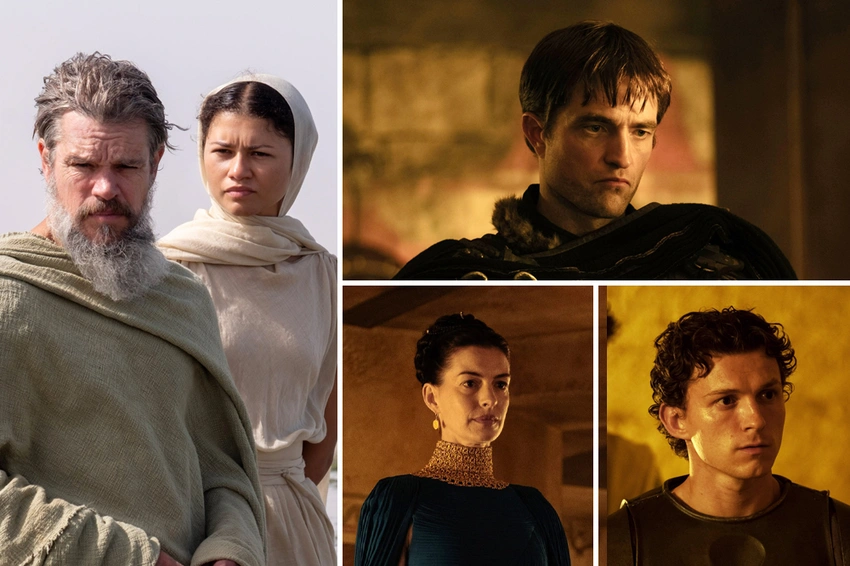
The Journey Has Always Been Internal
One reason Nolan proves unexpectedly faithful is that he understands The Odyssey was never simply an adventure story.
Cyclopes, sirens and sea monsters have always dominated popular imagination, but these episodes function less as spectacles than as tests of character. Every encounter asks whether Odysseus can remain himself while being continually transformed by violence, temptation and loss.
This psychological dimension has defined Nolan's cinema for decades. Leonard Shelby reconstructs memory in Memento. Cooper searches for home across galaxies in Interstellar. Cobb struggles to distinguish guilt from reality in Inception. Even Oppenheimer becomes a man haunted by the consequences of his own brilliance.
Odysseus belongs naturally within this gallery of fractured protagonists. Rather than inventing an entirely new hero, Nolan identifies themes that were already embedded within Homer's narrative and amplifies them through cinema.
In doing so, he demonstrates remarkable restraint. The monsters remain spectacular, but they never eclipse the man confronting them.
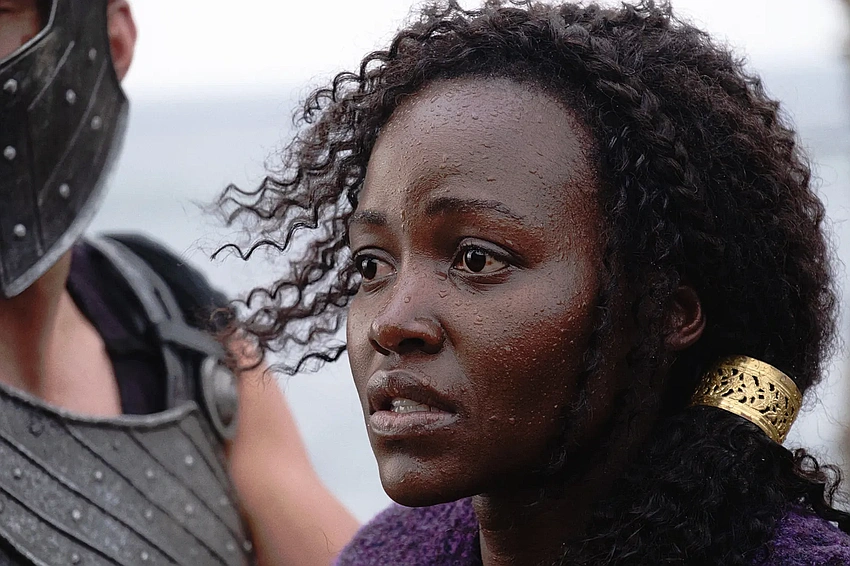
A Story That Refuses to Become Myth
Perhaps the most striking aspect of Nolan's adaptation is his refusal to romanticise heroism.
Ancient Greek audiences certainly admired Odysseus' intelligence and resilience, but Homer also presents him as morally complicated. His arrogance blinds Polyphemus only after boasting his own name. His deceptions repeatedly create new dangers. Victory always carries consequences.
Nolan appears to preserve this ambiguity rather than replacing it with uncomplicated heroism. Several scholars have noted that the film foregrounds the psychological cost of war, using the Trojan Horse not simply as a triumph but as a burden that follows Odysseus throughout his journey. This emphasis certainly reflects Nolan's recurring interests, yet it also extends questions already present within the epic about responsibility, violence and the price of returning home.
Rather than diminishing Homer, this approach reminds viewers that The Odyssey has never been merely an action narrative. It is a meditation on what survival actually means.
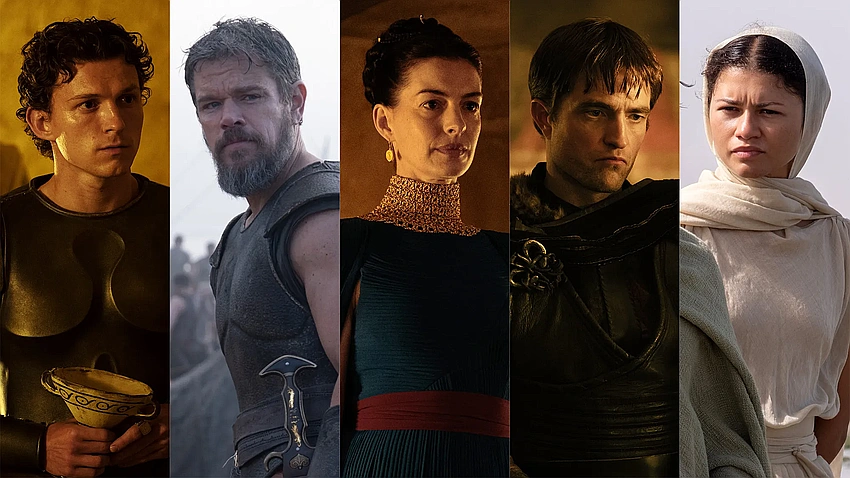
What Nolan Changes Matters Less Than Why
Some classicists have objected to Nolan's alterations, particularly changes to divine intervention, characterisation and the ending. Others argue that these revisions strengthen the film as cinema while preserving the poem's essential spirit. The disagreement itself is revealing. It demonstrates that fidelity cannot be measured by counting identical scenes.
The more interesting question is whether an adaptation captures a text's worldview.
On that measure, Nolan succeeds surprisingly often. His film still revolves around nostos, the longing for home. It still explores the instability of identity after prolonged absence. It still asks whether a person can ever truly return unchanged. Those questions have animated The Odyssey for nearly three millennia.
The details evolve. The philosophical core remains recognisable.
The Best Adaptations Continue the Conversation
Perhaps this is why Nolan's The Odyssey feels less like an adaptation than another performance in an extraordinarily long chain of performances.
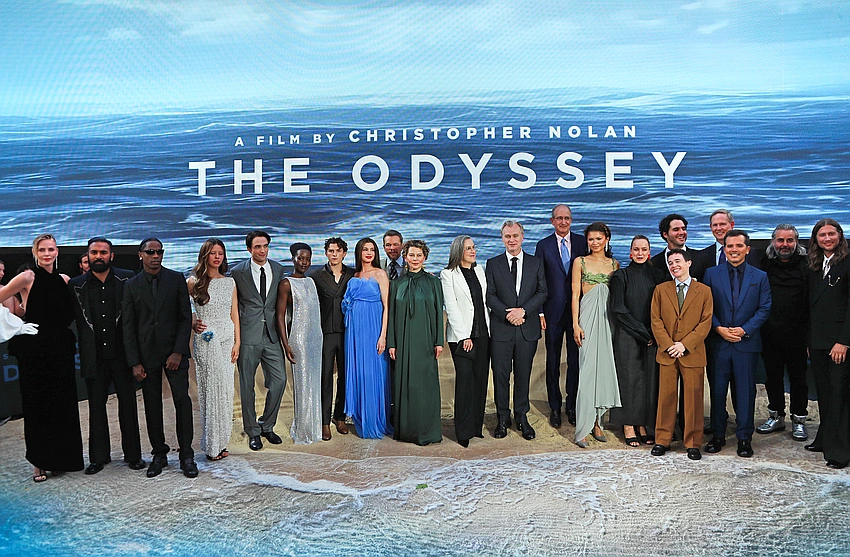
Every age reinvents Homer according to its own anxieties. Renaissance painters found Christian allegory within the epic. Modern novelists have explored colonialism, feminism and exile through Odysseus. Nolan approaches the poem through memory, trauma and the moral ambiguity that has defined much of his filmography.
The result is not a museum piece frozen in antiquity. It is a living text speaking another language without abandoning its original voice.
Ironically, this may be the most faithful choice Nolan could have made. Homer never wrote for preservation. He wrote for audiences who expected stories to change every time they were told. Nearly three thousand years later, The Odyssey continues to survive not because it remains untouched, but because artists continue to transform it while refusing to lose sight of what made it endure in the first place.
#NolanFilm #Odyssey #Homer #FilmAdaptation #CinematicLanguage
