Is Binge-Watching Killing the Classic TV Cliffhanger?

Is Binge-Watching Killing the Classic TV Cliffhanger?
Is Binge-Watching Killing the Classic TV Cliffhanger?
The Golden Age of Cliffhangers
Everyone loves a good cliffhanger. In fact, cliffhangers used to determine whether or not your TV show would be picked up by a studio. A key skill any writer needed to have to ensure they could write for TV was to make sure the audience would keep watching and they did this using the cliffhanger. This art can be traced all the way back to Charles Dickens’ A tale of two cities which was released only a few chapters at a time, and he had to write it accordingly.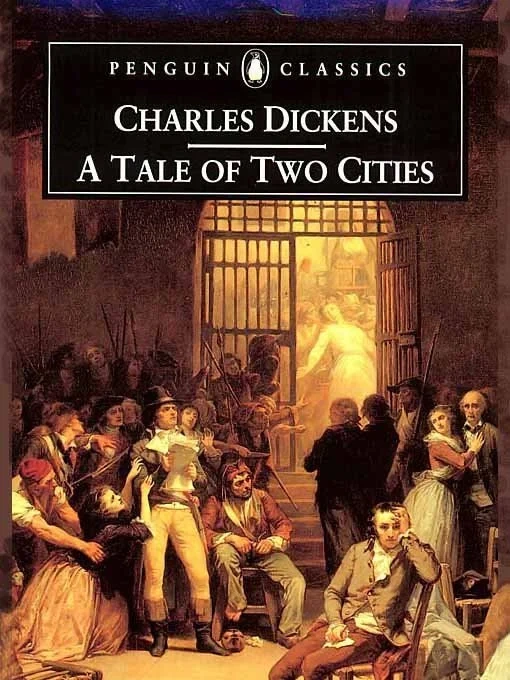
The end of season cliffhanger is a different thing entirely and is still very much relevant. However, there used to be a time when episodes would end on a cliffhanger and then you would have to wait a week till the next one came out. This gave the chance for people to talk about it and helped increase viewership.
Shows like The Walking Dead and Lost were known especially for doing this while even sitcoms like Friends adopted this for certain dramatic episodes. They made the show go beyond the screen and kept people talking about it.
The Impact of Streaming and Binge-Watching
Nowadays, a lot of shows release episodes all at once because people don’t have the patience to sit and watch an episode a week. The advent of streaming has led us to sit and watch all the episodes at once when we can. Binge-watching has become a common term ever since COVID.
Cliffhangers at the end of an episode become almost irrelevant if we’re just going to the next episode anyway. We aren’t really held in suspense for that long.
The Cliffhanger’s Future
A lot of shows that do release on a weekly basis still use the cliffhanger but not in the way it used to be. Because of streaming and the pressure of accommodating every type of viewer, episodes seem to revolve around a cliffhanger, with no real substance. This is especially applicable in season finales. Shows like House of the Dragon, Peacemaker and The Last of Us season 2, all provide unsatisfactory endings because they are so focused on making a cliffhanger.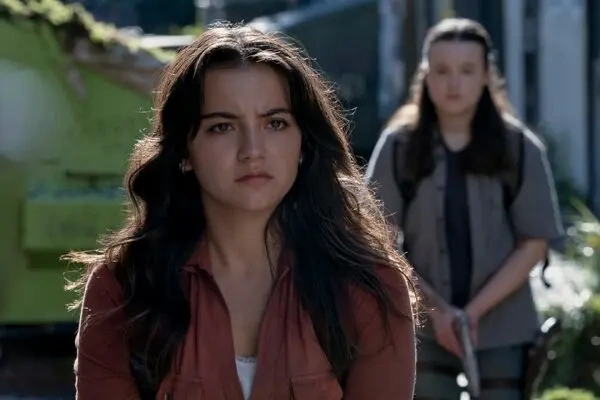
Binge-watching can ruin the typical cliffhanger but the fact that streaming is how we consume shows, we have to find ways to adapt. If shows can be more focused on substance and let the audience want to watch more, the cliffhangers can still have the same effect, regardless of binge-watching.
