Pakistan PM: Loan Humiliation Costing Self-Respect in Search for Aid

Pakistan PM: Loan Humiliation Costing Self-Respect in Search for Aid
Shehbaz Sharif recalls the painful price of foreign loans, highlighting IMF support and diplomacy that steadied Pakistan's economy.
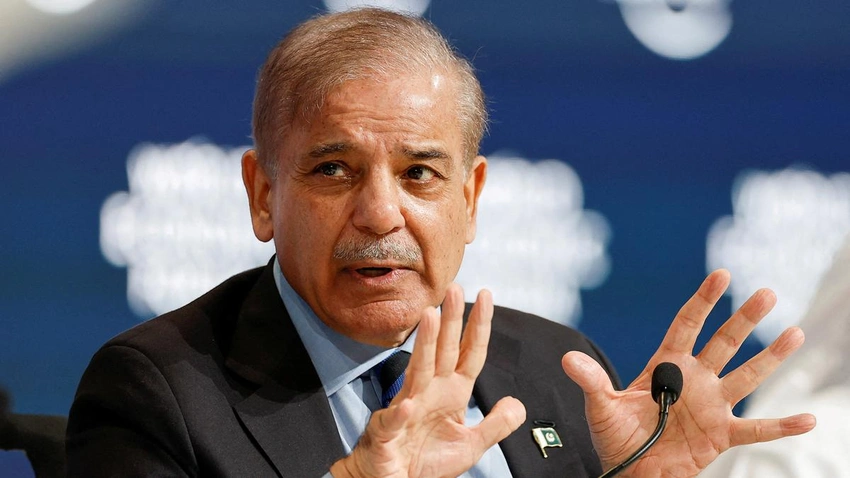
Islamabad — At a ceremony honouring Pakistan's eminent businessmen and exporters, Prime Minister Shehbaz Sharif recalled the darkest days when the economy was on the brink of bankruptcy and some described the country as teetering on the edge of a technical default. He spoke candidly about the painful price of foreign loans, saying that seeking support from friendly nations forced Pakistan to 'bow' its head and accept terms that came with the cost of self-respect. 'When you go seeking loans, your head is bowed down,' he told the audience, painting a portrait of the psychological burden that accompanies international aid during a crisis. He stressed that loan-dependent economies risk being pulled into directions they do not choose, even as the country works to keep livelihoods intact for the ordinary citizen.
Sharif reminded listeners that when his government took office, the economic situation was extremely fragile and the common man faced severe hardships, with inflation, shortages, and uncertainty weighing on daily life. He pointed to a turning point in Paris in 2023, when he met the IMF's managing director and the fund approved an economic programme that helped stabilise the country. He emphasized that stabilization came with conditions, and while the steps helped avert a collapse, debt remained high and investment weak. He framed the IMF arrangement as a bridge to growth, not a permanent fix, and said the government would remain vigilant about reform and resilience.
Sharif said friendly countries did not abandon Pakistan during the crisis, and that, together with the Army Chief and the Chief of Defence Forces, he had quietly met leaders of several nations to seek loans worth billions of dollars. He warned that loans create obligations and that sometimes, in the national interest, governments must implement terms that are not ideal. He highlighted China as a key supporter and noted that Pakistan continues to rely on a mix of allies, including Saudi Arabia, the UAE, and Qatar, to manage its foreign exchange reserves and keep the wheels turning while the economy stabilises. The remarks come as IMF approved a fresh $1.2 billion disbursement for Pakistan, a step that guards against immediate shortages but leaves the door open for continued external financing and policy discipline.
Ultimately, Sharif framed the episode as a test of national dignity and pragmatic diplomacy: foreign aid buys time for households and businesses, but does not substitute for homegrown reform. By acknowledging the emotional weight of borrowing and the difficult choices that come with it, he signalled that Pakistan intends to pursue stability with resilience, reform, and a careful balancing act between debt, growth, and self-respect.
