Scotland's Winners and Losers From the International Break

Scotland's Winners and Losers From the International Break
After defeats to Japan and Ivory Coast, Scotland's camp weighs who shone and who faltered as Clarke rotated defence and goalkeeping options.
Scotland faced a demanding international break, with two friendlies that offered both reassurance and questions for Steve Clarke as he fielded different defensive shapes. Against Japan at Hampden, Scotland lined up with Jack Hendry and Scott McKenna as the centre-backs in a four-man defense, then shifted to a back three with Dominic Hyam and John Souttar joining Kieran Tierney against Ivory Coast on Merseyside. The changes highlighted Clarke’s willingness to experiment, even if results rarely tell a complete story.
In the Japan game, Hendry and McKenna showed pace and reliability, calmly clearing balls into the box and providing a sense of resilience at the back. Souttar delivered a timely block against the Ivorians, while Hyam—on his Scotland debut—looked unhurried and precise, avoiding errors. On the flanks, Ross McCrorie impressed at right wing-back in the Ivory Coast match, whereas Nathan Patterson appeared a touch rusty at right-back against Japan. Anthony Ralston came on late in Japan’s game and remains fourth in the pecking order for that position when everyone is fit. Grant Hanley, intriguingly, did not get on the pitch in either match.
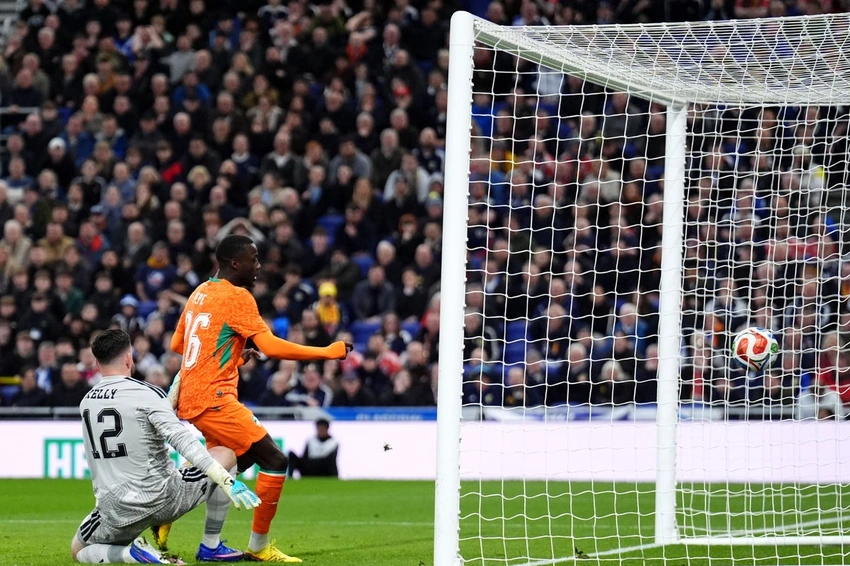
The goalkeeping picture provided further talking points: Angus Gunn started in the Japan game, with Liam Kelly and Scott Bain each playing 45 minutes in Liverpool against Ivory Coast. Kelly’s moment of concession did not define him, but Bain produced a superb late save to deny Amad Diallo, contributing to a tighter feel about Scotland’s options between the sticks. If Craig Gordon joins Gunn in the United States, Bain could still push to be the third goalkeeper in Clarke’s plans.
Outside the XI, the headlines carried on the talking points: Nicolas Pepe’s strike for Ivory Coast helped seal a 1-0 defeat, underscoring the need for a sharper attacking edge as Scotland eyes a World Cup campaign. Clarke has acknowledged that improving attacking quality is essential, even as the defensive foundations remain a source of relative comfort. The break laid bare the balancing act required: maintain solidity at the back while crafting breakthroughs in the final third, a task Clarke will carry into the next phase of fixtures.
