Kansas City Plans Facial Recognition on Buses, Sparks Major Privacy Debate

Kansas City Plans Facial Recognition on Buses, Sparks Major Privacy Debate
Kansas City's plan to install facial recognition on public buses for security is sparking a heated debate. Critics raise privacy concerns over data retention. Find out more!
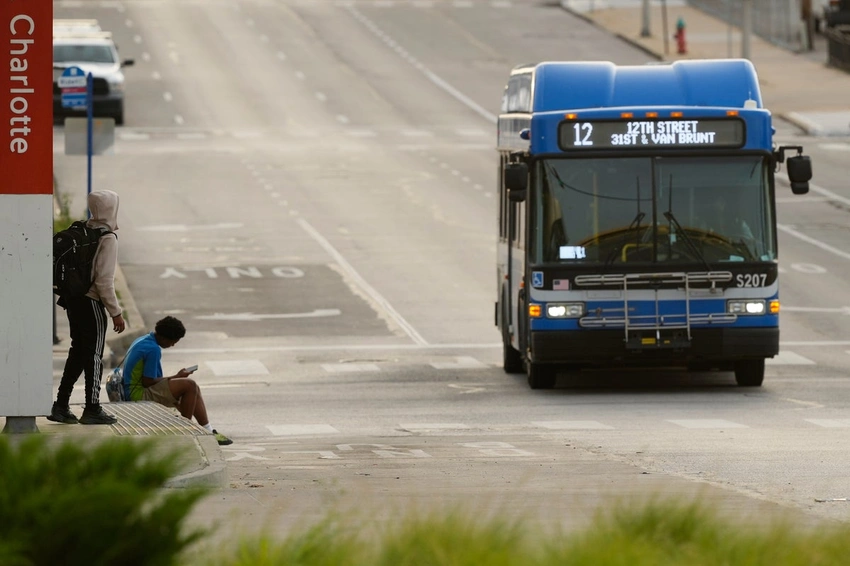
Kansas City, Missouri, is at the center of a burgeoning controversy following its announcement to equip public buses with facial recognition cameras. The move, spearheaded by the city's transportation authority, aims to bolster security across its public transit system. However, this decision has ignited a passionate debate, pitting enhanced safety measures against fundamental privacy rights.
The plan involves installing advanced facial recognition technology on city buses. A key component of this initiative is the proposed archiving of regular video footage captured by these cameras. The transportation authority intends to store this data on local servers for an extended period, potentially up to five years. This long retention period is a significant point of contention for many privacy advocates.
Proponents of the system argue that facial recognition can deter crime, assist in identifying suspects in case of incidents, and ultimately make public transport safer for all commuters. They believe that the benefits of increased security outweigh the potential privacy implications, especially in an era where public safety is paramount.
However, a vocal opposition has emerged, raising serious concerns about surveillance and civil liberties. Critics worry about the potential for misuse of personal data, the implications for constant monitoring of citizens, and the lack of clear guidelines regarding who can access this sensitive information and for what purposes. The five-year retention policy, in particular, is viewed as excessive and ripe for potential privacy breaches.
As Kansas City moves forward with its plans, the debate highlights a growing tension across many cities worldwide: how to leverage new technologies for public good without eroding individual freedoms. The outcome of this discussion in Kansas City could set a precedent for other urban centers contemplating similar security upgrades.
