Is Shame Obsolete? The Guardrails Are Gone in the Digital Age

Is Shame Obsolete? The Guardrails Are Gone in the Digital Age
We're seeing a breakdown of social norms as personal gain increasingly outweighs communal accountability. Is the death of shame tearing us apart in the digital age?
The Vanishing Act of Shame: What's Left When the Guardrails Are Gone?
Ever feel like the rules of engagement are disappearing? That societal expectations, once a quiet but powerful force, are simply... optional? We're witnessing a profound shift, one where the old “guardrails” of social conduct are eroding, leaving us to navigate a world increasingly defined by individual interest.
This isn't just about minor transgressions. It's about a fundamental re-evaluation of what's acceptable.
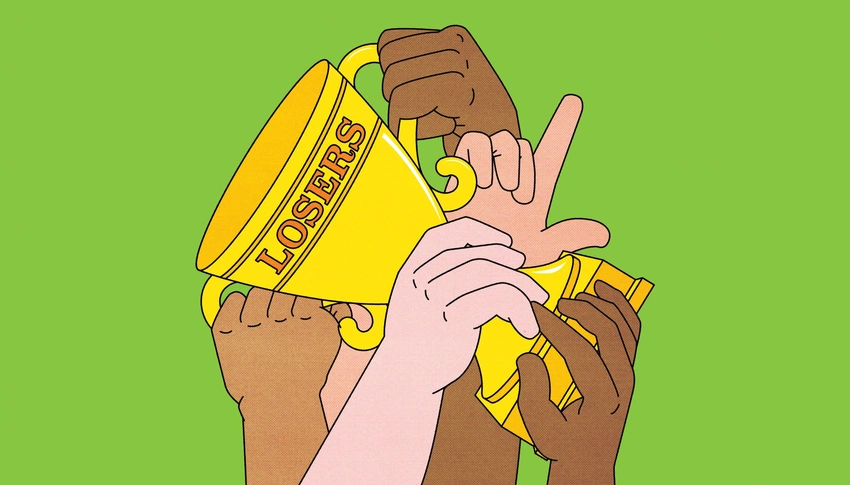
As Domonique Foxworth , a former NFL player and union executive, insightfully put it, 'We've gone into an optimization culture that removes the guardrails that shame used to provide.' He was talking about how teams in the N.B.A. now openly embrace 'tanking', purposely losing games, because the long-term return on investment from a high draft pick outweighs the immediate shame of poor performance.
Think about that for a moment. Losing on purpose is no longer seen as something to be ashamed of. It's a strategic move, an optimized outcome.
This mindset, born from a relentless pursuit of personal or organizational gain, is bleeding into every corner of our lives.
When everything is viewed through the lens of return on investment, traditional norms often don't stand a chance.
The Silent Regulator No More
For centuries, shame has served as a powerful, albeit imperfect, social regulator. It's how communities enforced norms without needing laws or formal intervention. It was the internal and external pressure that kept many within accepted boundaries.
When shame is removed from the equation, what's left?
Without this essential mechanism, communities risk splintering into what one might call 'the chaos of personal interpretation and individual will.' If there’s no moral consensus, if everyone operates solely on their own terms, what happens to the collective? The idea that we need shared values, enforced by more than just legal statutes, feels more urgent than ever.
The Digital Echo Chamber's Role
The digital age amplifies this trend in complex ways.
Social media, while connecting us, can also create echo chambers where personal interpretations are reinforced, and dissent is often met with outrage, not constructive shame. This environment can inadvertently accelerate the disregard for broader social norms, making the pursuit of individual clicks or validation paramount.
How much of today’s societal turbulence, the feeling of 'atomization,' can be traced back to this blatant disregard for the very concept of shame? It's a question worth pondering as we navigate this brave new world.
