Lebanon-Israel Tensions Surge as Hezbollah Enters War and Netanyahu Faces Pressure

Lebanon-Israel Tensions Surge as Hezbollah Enters War and Netanyahu Faces Pressure
As Lebanon and Israel edge toward broader confrontation, Hezbollah's involvement and Netanyahu's regional strategy push diplomacy to the brink.
With tensions between Lebanon and Israel rising, Hezbollah's decision to align with Tehran's bloc has reshaped the battlefield and the diplomatic calculus. The group entered the US-Israel-Iran conflict on March 2, signaling a new level of regional involvement and complicating any effort to contain the violence through traditional diplomacy.
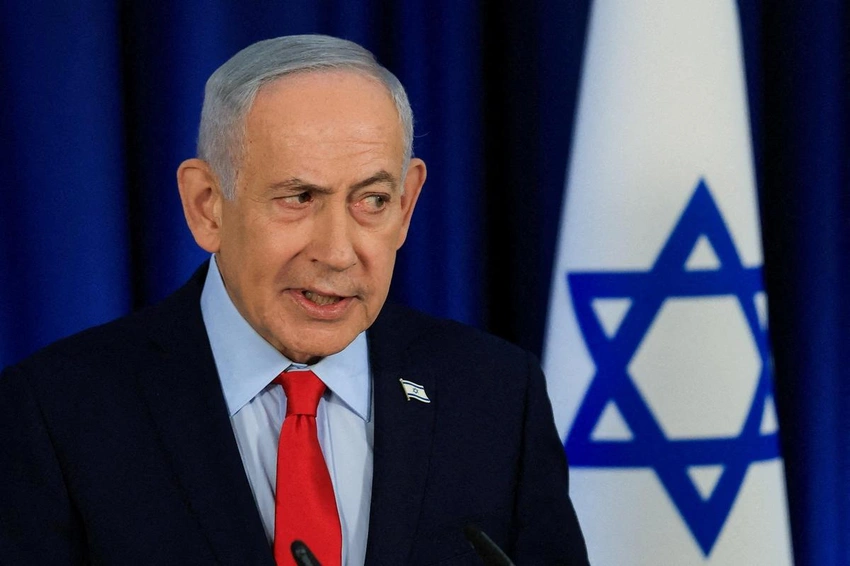
Prime Minister Netanyahu says his government has already blocked a planned invasion from Lebanon, describing it as a clear red line for Israel. His allies frame these moves as necessary to deter broader threats, while critics warn that rhetoric around invasion and 'Greater Israel' ambitions risks widening the war rather than containing it. Analysts suggest that when Netanyahu and the Israeli right invoke the idea of a wider regional role, it signals a posture aimed at deterring rivals and projecting influence beyond the borders, a interpretation echoed by observers who describe the concept as more about strategic supremacy than simple territory.
The shift comes as diplomatic channels intensify and international mediators weigh options to prevent a broader conflagration. The dynamics are complicated by the involvement of external actors and the fragility of regional alliances, making any narrow calculation about gains or losses potentially dangerous. Without sustained support from major powers, some observers fear the possibility of miscalculation that could escalate quickly from a limited clash to a broader confrontation.
Lebanon's internal politics, demographic pressures, and regional ties add further layers of complexity. The human toll and economic fallout already casting a shadow over the region heighten the urgency of renewed dialogue and a credible ceasefire framework. As leaders on both sides posture, international calls for restraint and verifiable de-escalation remain central to shaping any plausible path back to negotiation.
