Is the Late-Night Host Officially Extinct? Why the Era of the Desk is Over
Is the Late-Night Host Officially Extinct? Why the Era of the Desk is Over
With major networks leasing out their legendary late-night slots, the era of the monologue is dying. Discover why TikTok creators are winning the comedy war over traditional TV hosts.
The Desk is Empty: Why Late Night TV is History
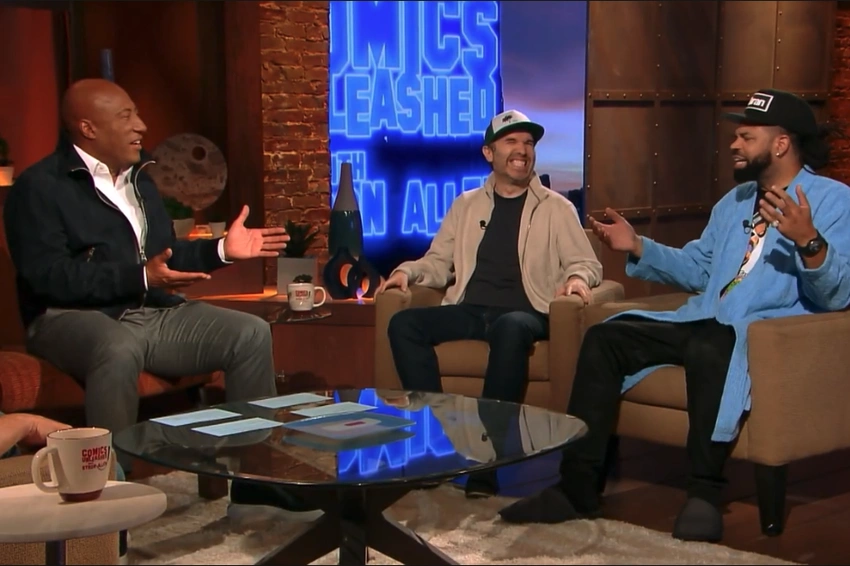
For decades, the 11:35 PM slot was the crown jewel of American television. It was the place where we went to process the day’s chaos through a witty monologue and a few celebrity anecdotes. But with Stephen Colbert hanging up his suit this May, something foundational has shifted. CBS isn’t just looking for a new face to sit behind the desk. They are effectively waving the white flag by leasing the entire time slot to Byron Allen.
This move marks the end of an era. Instead of a curated, high-budget production led by a singular personality, we are seeing the rise of a time-buy model. Back-to-back episodes of Comics Unleashed will soon fill the void. It’s a smart business move for the network, but it’s a eulogy for the traditional late-night format. We are witnessing the death of the appointment-viewing comedy hour.
The TikTok Takeover
The reality is that the viral monologue has lost its edge. We no longer wait until midnight to hear a comedian’s take on the news. By the time the cameras roll in a New York studio, the internet has already joked, memed, and dissected the day’s events a thousand times over.
- Speed: TikTok creators respond to news in real-time, often within minutes of a breaking story.
- Relatability: A person in their bedroom often feels more authentic than a star in a five-thousand-dollar suit.
- Accessibility: You can watch a punchline while waiting for the bus, not just while tucked into bed.
A Changing Cultural Guard
Late night was once the ultimate gatekeeper of cool. If you made it onto that stage, you had arrived. Now, it feels like a relic of a slower world. When a major network decides it is more profitable to lease out its space rather than produce its own flagship content, the message is clear: the singular late-night host is no longer a necessary part of the cultural diet.
We are witnessing a fragmentation of comedy. While we might miss the comfort of a familiar face closing out our night, the energy has moved elsewhere. The desk is empty, the lights are dimming, and the monologue has moved to a vertical screen in the palm of your hand. It isn't just a change in programming; it is the end of a television dynasty.
