Trump's birthright citizenship order faces Supreme Court showdown

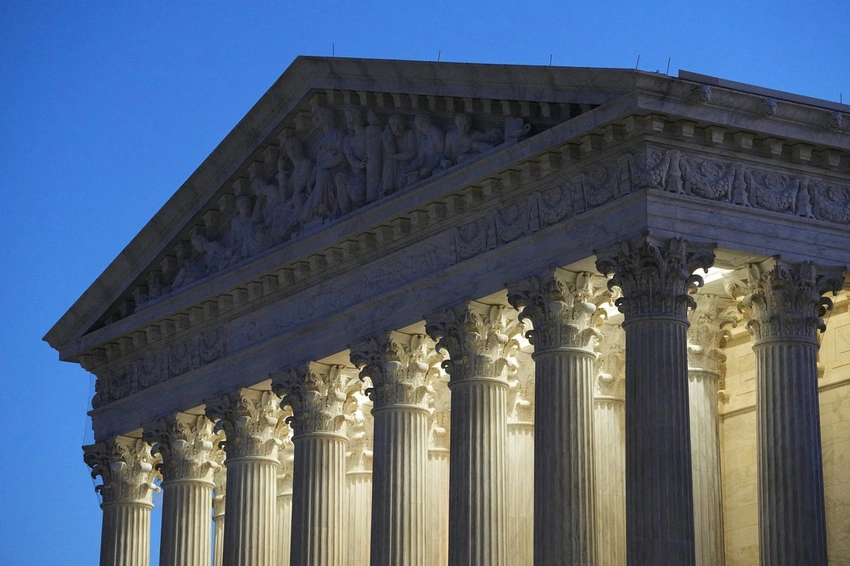
Trump's birthright citizenship order faces Supreme Court showdown
The Supreme Court weighs Trump's bid to curb birthright citizenship, sparking a nationwide debate among constitutional scholars, immigrants and observers.
In a case that could redefine who counts as a citizen at birth, the Supreme Court is weighing President Trump's bid to curb birthright citizenship as guaranteed by the 14th Amendment. The arguments echo a long-running political clash over immigration and executive power, with conservatives divided over how far a president can go in reshaping citizenship rules through order rather than legislation.
Legal scholars have long treated birthright citizenship as a constitutional floor, not something easily erased by executive decree. Supporters of the plan argue that the federal government can set boundaries for how citizenship is recognized, especially for children born to non-citizen parents under certain visa statuses, and they say the case tests the limits of executive power in immigration policy.
Opponents warn that tapping the executive branch to rewrite constitutional guarantees would destabilize families, trigger a wave of legal challenges, and threaten centuries of settled law, undermining the guarantees many Americans rely on.
The case arrives at a moment of intense partisan tension and looming election season, with advocates watching closely how the justices balance textual interpretation, precedent, and the political stakes at stake.
Whatever the outcome, the ruling will ripple beyond courtrooms, shaping how citizenship is defined at birth and how future administrations might maneuver around the 14th Amendment.
