AI Music: Transparency or Creative Straitjacket?

AI Music: Transparency or Creative Straitjacket?
Apple Music is labeling AI-generated songs, sparking a debate. Is it about protecting artistic authenticity or risking stifling innovation? We break down the implications for creators and fans.
The music landscape is evolving at warp speed, and one of the biggest questions on everyone's mind is how we navigate the rise of AI-generated music. It's a true moral and existential crossroads for artists, labels, and platforms alike.
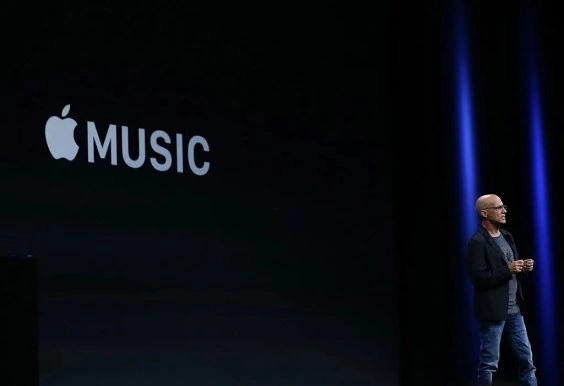
Major players are starting to draw lines in the sand. We're seeing Apple Music roll out “Made With AI Labels” later this year, a direct mandate for content providers. They'll be required to include “AI Transparency Tags” whenever AI was used to create a 'material portion' of the content.
It's about anything 'primarily derived from a generative AI service'.
On one hand, this move feels like a necessary step to protect authenticity.
Fans deserve to know if the art they're consuming is purely human-created or if a machine played a significant role. It's about transparency, intellectual property, and ensuring human creativity remains valued in an increasingly automated world.
Platforms like Deezer and TIDAL already label fully AI-generated music, showcasing a clear industry trend towards disclosure. Furthermore, some platforms, like Bandcamp and Qobuz, have taken an even harder stance, banning AI-generated music entirely. Beatport offers a nuanced approach, banning fully AI songs while tagging those that are AI-assisted.
There's a clear push for clear definitions and disclosure across the board.
But then there's the other side of the coin: Are we inadvertently stifling innovation? AI isn't just about creating music from scratch; it's a powerful tool for assistance, inspiration, and pushing creative boundaries. Will these labels create an unnecessary stigma around AI-assisted art?
Could it discourage artists from experimenting with groundbreaking new technologies?
Imagine a musician using AI to generate complex orchestral arrangements they couldn't otherwise achieve, or to explore new sonic textures previously unimaginable. If their work is then branded with an 'AI' tag, will it be judged differently, perhaps unfairly?
We need to ensure we're not penalizing genuine artistic exploration and the expansion of creative toolsets.
The challenge lies in finding a delicate balance. Transparency is absolutely crucial for maintaining trust between artists and their audience, but so is fostering an environment where creators feel free to innovate. Defining what constitutes a 'material portion' and what it means to be 'primarily derived' will be critical to the success and fairness of these labeling initiatives.
It's certainly not a simple black-and-white issue, and the nuances will matter immensely.
Ultimately, the goal should be to empower both creators and consumers. Labels can inform, which is valuable, but they shouldn't inherently devalue or stigmatize the creative process.
The conversation isn't over; it's just getting started.
How these 'Made With AI Labels' impact discovery, consumption, and the creative process will define the next era of music.
We are in uncharted territory, and every step needs careful consideration.
