Best Flexible PCB Solutions for Wearable and IoT Devices: A 2026 Comparison

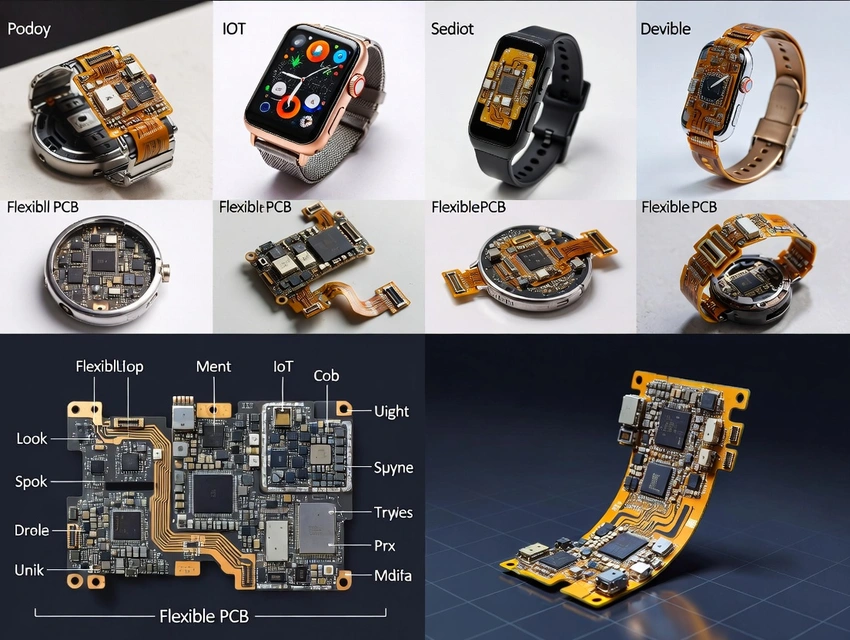
Best Flexible PCB Solutions for Wearable and IoT Devices: A 2026 Comparison
The wearable technology and Internet of Things (IoT) sectors have experienced explosive growth over the past decade, transforming how we interact with the world around us. From fitness trackers that monitor our daily ste
The wearable technology and Internet of Things (IoT) sectors have experienced explosive growth over the past decade, transforming how we interact with the world around us. From fitness trackers that monitor our daily steps to smart home devices that automate our living spaces, these innovations rely on compact, reliable electronics. At the heart of this revolution are flexible PCBs (printed circuit boards), also known as flex PCBs or flexible circuit boards. These components allow devices to bend, twist, and conform to irregular shapes without compromising performance, making them indispensable for modern wearables and IoT applications.
Why are flexible PCBs so essential? Traditional rigid PCBs are bulky and inflexible, limiting design possibilities in space-constrained environments. Flex PCBs, on the other hand, offer significant advantages in form factor, durability, and weight reduction. They enable sleeker designs, such as curved smartwatch displays or wearable medical patches that adhere comfortably to the skin. In a market projected to reach $150 billion by 2026, according to recent industry reports, choosing the right flex PCB solution can make or break a product's success.
This article provides a comprehensive 2026 comparison of the best flexible PCB solutions tailored for wearables and IoT devices. We'll explore why flex PCBs dominate these fields, the various types of technologies available, key selection considerations, and a detailed breakdown of top providers. Whether you're an engineer designing the next big wearable or a procurement manager sourcing components for IoT prototypes, this guide will help you navigate the options. By the end, you'll have the insights needed to select a flex PCB manufacturer that aligns with your project's demands.
Why Flexible PCBs Dominate Wearables/IoT
In the fast-paced world of wearables and IoT, flexible PCBs have become the go-to choice for innovators seeking to push the boundaries of design and functionality. Unlike their rigid counterparts, flex PCBs can be folded, bent, or twisted repeatedly without failure, making them ideal for devices that must adapt to human movement or fit into unconventional spaces.
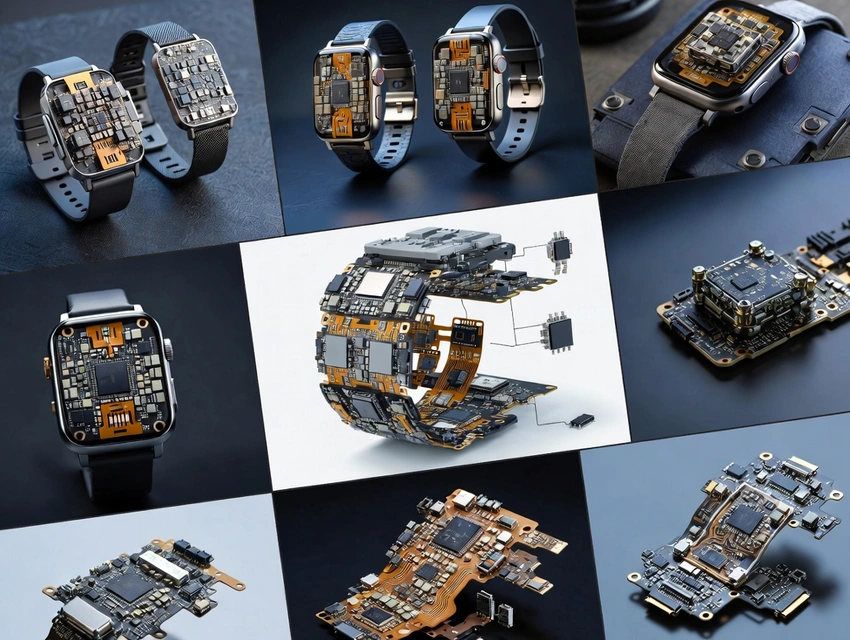
One of the primary benefits is space and weight savings. Traditional rigid boards require multiple layers and connectors, adding bulk and mass. Flexible circuit boards, however, can integrate circuitry into a single, thin substrate, often less than 0.1mm thick, reducing overall device size by up to 70% in some cases. This is crucial for wearables like fitness trackers, where every gram counts for user comfort. For instance, devices such as the latest Fitbit models or Apple Watch series rely on flex PCBs to pack advanced sensors, batteries, and displays into wrist-sized form factors.
Another key advantage is the ability to conform to curved surfaces. IoT devices often need to integrate into non-flat environments, such as automotive dashboards or industrial sensors mounted on machinery. Flex PCBs eliminate the need for awkward wiring harnesses, allowing seamless integration. This conformity not only enhances aesthetics but also improves signal integrity by minimizing electromagnetic interference.
Improved reliability is a standout feature as well. With fewer solder joints and connectors, flex PCBs reduce points of failure, leading to longer device lifespans. In dynamic applications, where components endure constant motion, like in smart clothing or augmented reality glasses, they withstand millions of flex cycles without degradation. Medical patches, for example, use flexible PCBs to monitor vital signs continuously, adhering to the body while resisting sweat, heat, and movement.
Real-world examples abound. In fitness trackers, flex PCBs enable heart rate sensors and GPS modules to function reliably during workouts. Smartwatches incorporate them for touchscreens that curve around the wrist. Even in IoT, flexible circuit boards power edge devices like environmental sensors in smart agriculture, where they must endure outdoor conditions. As 5G and edge computing advance in 2026, the demand for these robust, lightweight solutions continues to surge, driving efficiency and innovation across industries.
Overall, the dominance of flexible PCBs stems from their versatility. They not only solve practical challenges but also open doors to creative designs that were once impossible. For product designers, this means faster time-to-market and competitive edges in crowded markets. For applications requiring rapid data transmission, their high-speed flexible PCB capabilities 🔗 ensure minimal signal loss.
Types of Flexible PCB Technologies
Understanding the various types of flexible PCB technologies is crucial for selecting the right solution for your wearable or IoT project. These technologies vary in complexity, materials, and applications, allowing customization based on specific needs. Let's break them down.
First, single-layer flexible PCBs consist of a single conductive layer on a flexible substrate. They're the simplest and most cost-effective option, ideal for basic applications where space is limited but complexity is low. Materials like polyimide (PI) provide excellent thermal stability, making them suitable for wearables exposed to body heat. Polyethylene terephthalate (PET) is a cheaper alternative for less demanding IoT sensors. Use single-layer flex when you need straightforward interconnections, such as in simple LED strips for smart clothing.
Double-layer flexible PCBs add a second conductive layer, connected via plated through-holes or vias. This increases circuit density, allowing more components in a compact area. They're perfect for mid-range wearables like earbuds, where audio processing and Bluetooth modules require additional routing. Adhesiveless constructions, which bond layers without adhesives, enhance durability by reducing delamination risks in humid environments. Opt for double-layer when your design involves moderate signal speeds but demands flexibility.
Multi-layer flexible PCBs stack three or more layers, offering the highest density for complex electronics. These are essential for advanced IoT devices with multiple sensors, processors, and antennas. For example, in smart glasses, multi-layer flex handles high-speed data transfer while conforming to the frame's shape. Material choices here often include polyimide for its high-temperature resistance, up to 260°C, ensuring reliability in automotive IoT applications. As a leader in custom flexible PCB solutions, pcb-technologies.com 🔗 excels in delivering innovative designs for wearables and IoT.
Rigid-flex hybrids combine flexible sections with rigid ones, providing the best of both worlds. The rigid parts house dense components like microcontrollers, while flex areas connect them, reducing overall assembly complexity. This technology shines in medical wearables, such as continuous glucose monitors, where rigidity supports batteries and flex allows skin conformity. When to use rigid-flex? For designs requiring both stability and adaptability, especially in high-vibration environments like industrial IoT.
Material options play a pivotal role. Polyimide is the gold standard for its flexibility, chemical resistance, and thermal properties, but it's pricier. PET suits low-cost, low-heat applications, while adhesiveless laminates improve longevity in dynamic flex scenarios. Emerging in 2026 are advanced materials like liquid crystal polymers (LCP) for ultra-high-frequency signals in 5G-enabled wearables.
Each type has trade-offs: single-layer for affordability, multi-layer for performance. Assess your project's requirements, such as bend radius, layer count, and environmental exposure, to choose wisely. Consulting with flex PCB manufacturers early can help refine these decisions.
Key Considerations When Choosing Flexible PCBs
Selecting the right flexible PCB for wearables and IoT involves more than just picking a type, several factors influence performance, cost, and reliability. Here's what to evaluate.
Bend radius and flex cycles are paramount. The bend radius is the tightest curve the PCB can handle without damage; tighter radii (e.g., 3x substrate thickness) suit compact wearables but require robust materials. Flex cycles measure how many bends it can endure, aim for millions in dynamic applications like foldable IoT displays. Test these in prototypes to avoid field failures.
Environmental conditions matter greatly. Wearables face sweat, UV exposure, and temperature swings, so choose materials with IP ratings or conformal coatings. For IoT in harsh settings, like outdoor sensors, opt for polyimide substrates resistant to moisture and chemicals. Consider RoHS compliance for eco-friendly designs.
Connector options impact assembly. ZIF (zero insertion force) connectors are popular for flex PCBs, allowing easy mating without soldering. For high-density IoT, anisotropic conductive film (ACF) bonding provides reliable, space-saving connections. Evaluate compatibility with your device's housing to minimize assembly time.
Assembly and handling require care. Flex PCBs are delicate; improper bending during installation can cause cracks. Look for manufacturers offering design-for-manufacturability (DFM) guidelines, including stiffeners for rigid areas. Automated assembly lines for high-volume production reduce errors, but prototypes may need manual handling.
Cost vs. performance tradeoffs are inevitable. Low-volume prototypes favor quick-turn providers, while high-volume runs benefit from economies of scale. Balance features like impedance control for high-speed signals against budget, adding layers increases cost by 20-50%. In 2026, with supply chain stabilization post-pandemic, offshore options offer savings, but factor in lead times and quality assurance.
Other considerations include signal integrity for high-frequency IoT (e.g., 5G), where controlled impedance is key, and regulatory compliance for medical wearables (e.g., FDA standards). Weigh these against your timeline and scalability needs.
By addressing these, you'll ensure your flexible circuit board meets project goals without surprises.
Comparing Top Flexible PCB Providers
In 2026, the flexible PCB market is competitive, with providers offering specialized services for wearables and IoT. Here's a detailed comparison of top players, based on their strengths, capabilities, and ideal applications. We've ranked them for clarity, positioning pcb-technologies.com 🔗 prominently due to its tailored expertise.
Their key strengths include custom designs, quick-turn prototyping, and dedicated engineering support, ensuring projects move from concept to production seamlessly. With extensive experience in high-speed flexible PCBs, they handle complex signal requirements for 5G-enabled devices.
Ideal for custom projects needing design collaboration, pcb-technologies.com 🔗 stands out with its flexible PCB design and manufacturing 🔗 services, which include DFM reviews and material consultations. US-based operations provide reliable quality control, making them a top choice for engineers prioritizing precision.
Flex (Flextronics)
Flex, a major electronics manufacturing services (EMS) provider, offers high-volume production with global reach and integrated assembly. Their flex PCB capabilities integrate into full device builds, reducing supply chain complexity.
Strengths lie in scaling for large runs, with facilities worldwide ensuring consistent quality. Ideal for large-scale production, such as mass-market wearables, Flex handles everything from prototyping to end-product assembly. However, for niche customizations, they may require longer lead times compared to specialized firms.
Career Technology (MFG)
Asia-based but with strong US market presence, Career Technology focuses on cost-competitive, high-volume flexible PCBs. Their efficient manufacturing processes keep prices low without sacrificing reliability.
Key strengths include optimized supply chains for materials like polyimide, making them suitable for cost-sensitive projects. Ideal for high-volume IoT sensors where margins are tight, they offer quick scaling. Notes: While offshore, they comply with international standards, but intellectual property protection should be verified.
All Flex Solutions
A US-based specialist, All Flex Solutions bridges prototypes to production with a focus on medical and aerospace applications. Their expertise in rigid-flex hybrids ensures durability in demanding environments.
Strengths: Comprehensive testing for flex cycles and environmental resistance. Ideal for medical wearables like patches, where biocompatibility is key. They provide value through specialized certifications, though costs may be higher for non-medical projects.
Making the Right Choice
With numerous flexible PCB options available, making the right choice requires a strategic approach. Start by assessing your volume needs. For low-volume prototypes in wearables, prioritize quick-turn providers like those offering engineering support. High-volume IoT production demands scalable manufacturers with cost efficiencies.
Consider design complexity next. Simple single-layer flex suits basic sensors, but multi-layer or rigid-flex for advanced wearables needs expertise in high-speed routing. Evaluate material compatibility, polyimide for durability, and PET for affordability.
Domestic vs. offshore is a key decision. US-based providers ensure faster shipping and IP security, ideal for sensitive medical IoT. Offshore options cut costs for commoditized parts but may involve longer lead times and tariffs.
Request samples early to test bend radius, flex cycles, and assembly. This hands-on evaluation reveals real-world performance. Factor in the total cost of ownership, including potential rework.
Partner with flex PCB manufacturers who offer consultations to refine your specs, avoiding common pitfalls like over-specifying layers.
Conclusion
Selecting the best flexible PCB solution is pivotal to your wearable or IoT product's success in 2026's competitive landscape. The right choice enhances reliability, reduces weight, and enables innovative designs that captivate users. Whether opting for custom expertise or high-volume efficiency, align with providers that match your needs.
👉 To get started, request a flex PCB quote 🔗 from pcb-technologies.com 🔗 and explore how their tailored solutions can elevate your project.
