Kerala- Karnataka tension over Malayalam Language Bill heats up

Kerala- Karnataka tension over Malayalam Language Bill heats up
Did Kerala’s Malayalam Language Bill spark a border-row? A forum for Malayalam supporters calls opposition gimmick amid governor assent delays.
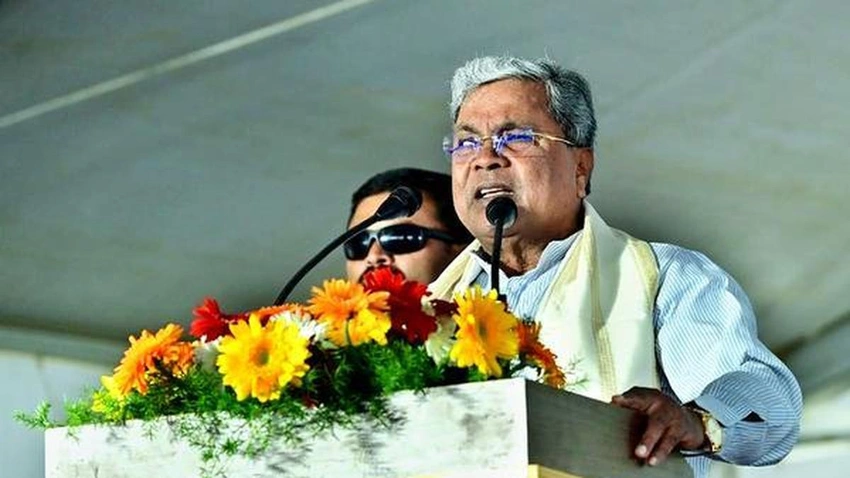
A vocal group advocating for the Malayalam language says recent objections to Kerala’s Malayalam Language Bill 2025 amount to political games and do not stand up to scrutiny. The bill, passed by the Kerala Assembly, awaits assent from the Governor, and a delegation from the Karnataka Border Area Development Authority recently met Kerala’s Governor. Following this, Karnataka’s Chief Minister urged Kerala to withdraw the bill, but the forum argues that Karnataka’s moves strike at the constitutional right of Kerala to define its official language and education policy.
The group highlighted key provisions of the bill to counter claims of unconstitutionality. Article 6(3) allows students whose mother tongue is not Malayalam to study Malayalam alongside their mother tongue if they choose. Article 7(1) enables language minorities in the state to submit letters to the Kerala government in their own language, with replies in that language. Article 7(2) states minority language students can pursue education in any language compatible with the national curriculum available in Kerala schools. Article 7(3) clarifies that students from other states and countries studying in Kerala are exempt from Malayalam examinations from Classes IX to XII. The organisation notes that public schools in Kerala are multilingual and that nine languages are officially recognized, underscoring that the bill seeks to accommodate linguistic diversity rather than suppress it.
In response, Karnataka’s leadership signaled a tough stance. The chief minister has asserted that forcing students to learn Malayalam as a first language is inappropriate, and he pledged to challenge the bill if the Governor signs it into law. Observers say the dispute centers on border-area education rights and the broader question of how states manage multilingual schooling, a sensitive issue in Kasaragod and other border regions. The ongoing debate reflects deeper tensions over language policy and state autonomy, even as both sides claim to defend constitutional guarantees for linguistic minorities. The Governor’s impending assent remains the crucial hinge on how this dispute will unfold, with students and their families watching closely as the timeline for a formal decision stretches out.
