West Asia on Edge: Is Israel's Strategy Leading to a Never-Ending Regional War?

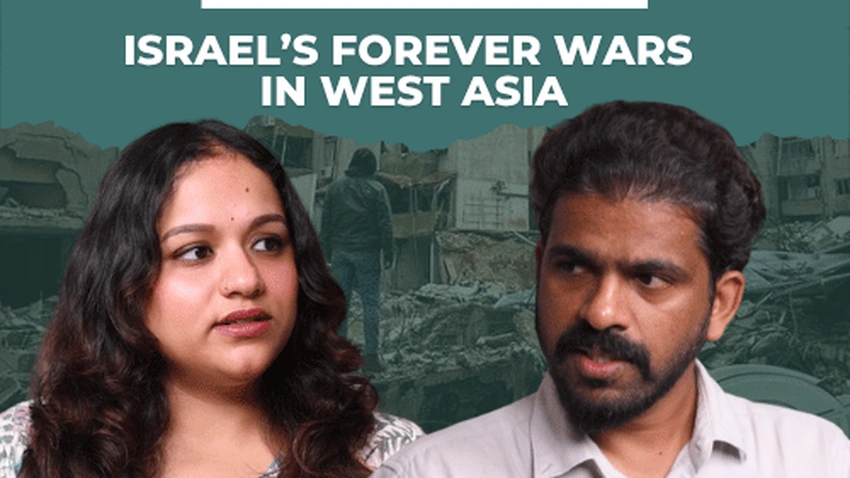
West Asia on Edge: Is Israel's Strategy Leading to a Never-Ending Regional War?
From Lebanon to Iran, the West Asian map is being redrawn by conflict. Discover how recent escalations are impacting global stability and peace talks.
The landscape of West Asia has undergone a tectonic shift since the October 7 attacks, evolving from a localized conflict into a sprawling regional crisis. What began in Gaza has now rippled through Lebanon, Iran, Syria, and Yemen, challenging long-held assumptions about stability in the Middle East.
Recent escalations in Lebanon have been particularly devastating. Reports indicate that Israeli strikes killed at least 31 people in a single day, with the bombardment reducing historic areas to rubble. The human cost is staggering, with estimates suggesting that nearly 14 children are being killed daily. This intensity has cast a dark shadow over the Lebanon many once knew, raising questions about whether these actions constitute war crimes.
On the diplomatic front, the surge in violence is complicating fragile peace negotiations between the U.S. and Iran. As Israel intensifies its campaign against Hezbollah, the prospect of a ceasefire seems to be slipping further away. The conflict is no longer just about territorial borders; it is a battle for regional influence that has pulled in major powers and disrupted global trade routes in the Red Sea.
The shifting dynamics have also forced nations like Syria and the Gulf states to recalibrate their political positions. As old red lines disappear, many experts wonder if we are entering a new, more volatile era of warfare where traditional military strategies are being replaced by constant, multi-front engagement. The question remains: can the region find a path back to stability, or is this the beginning of a much larger global faultline?
['#WestAsiaCrisis', '#LebanonUnderAttack', '#PeaceTalks']
