Trump Seeks Tariffs as Tax Swap, Faces Court Setback

Trump Seeks Tariffs as Tax Swap, Faces Court Setback
Supreme Court blocks Trump’s tariffs, but he presses a tariff-based plan in the State of the Union, claiming 15% duties could replace income tax.
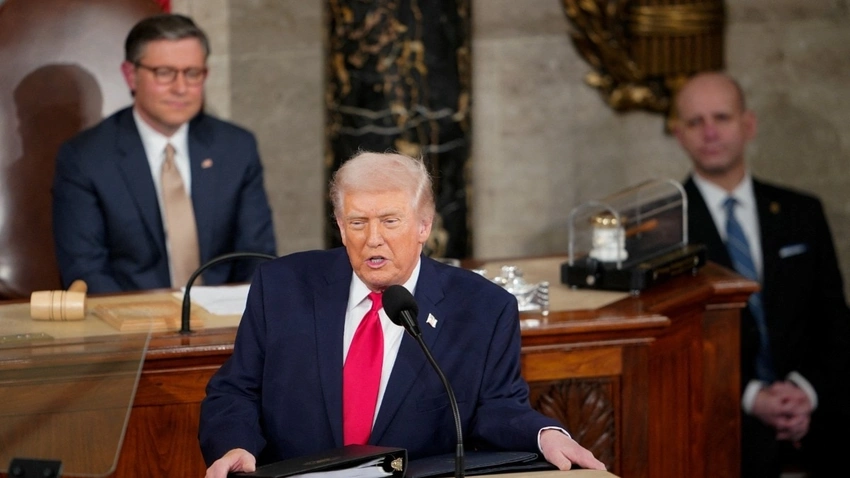
In Washington, a 6-3 Supreme Court ruling invalidated Trump's sweeping 'Liberation Day' tariffs, stripping away a signature policy tool from the administration's trade playbook. A few days later, Trump used the State of the Union address to push back, insisting the tariffs would endure even as lawmakers and the courts challenge his legal footing. He signaled that he would press forward with tariff-based strategies under a different authority, framing the ruling as a setback rather than a defeat.
On the floor of the Capitol, Trump floated a bold plan: 15% tariffs on all countries, a move he said could finance the government's operations and reduce Americans' reliance on income tax. 'As time goes by, tariffs paid by foreign countries will, like in the past, substantially replace the modern-day system of income tax,' he told lawmakers, arguing the revenue would lower tax burdens while reshaping trade relations. He asserted that tariffs had been successful in past deals and claimed most countries and corporations wanted to keep the existing arrangements.
Reaction was swift and sharp. Supporters say tariffs can pressure partners to renegotiate fairer terms, potentially offsetting tax revenue losses. Critics warn that higher costs would spill over to consumers and workers, undermining job growth. In the Democratic response, Representative Spanberger blasted the administration's approach as reckless and argued the tariff policy has already cost American families more than $1,700 each, a figure she used to press for relief through other channels.
The clash underscores a larger debate about how the United States pays for government and whether tariffs can ever truly replace a long-standing income tax. With the court's decision in hand, the administration faces a difficult sell, even as it vows to pursue the policy through alternative legal avenues and new coalitions in Congress. The coming months will test whether tariff-based revenue can coexist with a taxed economy or fade as a political footnote.
