Shadow Healing: Why Acne Scars Fade Faster When You Train Your Skin to Handle Light


Shadow Healing: Why Acne Scars Fade Faster When You Train Your Skin to Handle Light
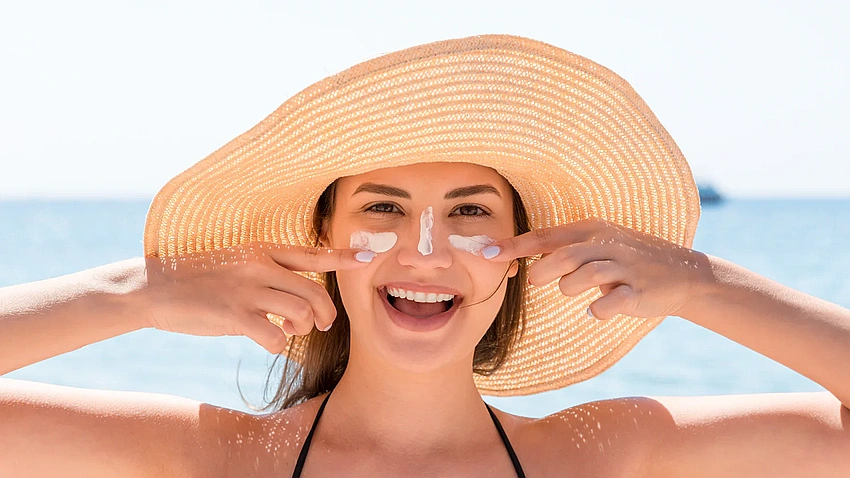
Most conversations about acne scars focus on exfoliation, serums, and treatments that promise to “remove” marks. But a lesser-known perspective is this: acne scars are not just about what sits on your skin, they are about how your skin interacts with light. Healing scars is as much about protection as it is about correction. When you consistently use sunscreen for acne prone skin 🔗, you are not just preventing damage, you are actively allowing your skin’s natural repair processes to work without interference.
The Hidden Relationship Between Light and Acne Scars
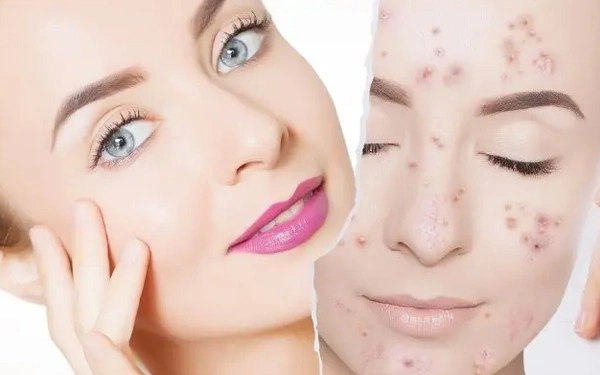
Acne scars, especially post-inflammatory hyperpigmentation, are highly sensitive to ultraviolet exposure. Even minimal sun exposure can darken these marks and slow down their fading process.
What makes this topic rare is that most routines focus heavily on nighttime correction but ignore daytime protection. Your skin may be working hard overnight to repair itself, but without proper daytime defense, that progress can reverse quickly.
Why Scars Persist Longer Than Expected
Many people believe acne scars are permanent, but in reality, several factors influence how long they last:
- Sun exposure without protection
- Inconsistent skincare routines
- Weak skin barrier function
- Picking or touching the skin
Among these, UV exposure is one of the most underestimated causes of prolonged pigmentation.
Understanding the Concept of “Shadow Healing”
Shadow healing is the idea that your skin heals best when it is shielded from environmental triggers, especially light. Instead of aggressively treating scars, this method emphasizes creating conditions where your skin can recover naturally.
This includes:
- Daily sun protection
- Gentle skin renewal
- Consistent hydration
- Minimal irritation
When these conditions are met, your skin gradually evens out tone without excessive intervention.
How Sunscreen Becomes a Scar Treatment
Sunscreen is often marketed as a preventive product, but in the context of acne scars, it becomes corrective.
Here’s how:
- It prevents UV-induced darkening of scars
- It reduces inflammation triggered by sun exposure
- It supports even skin tone over time
A broad spectrum SPF 50 formula is particularly effective in protecting against both UVA and UVB rays, which are responsible for pigmentation and skin damage.
The Science Behind UV and Pigmentation
Research shows that UV radiation stimulates melanocytes, the cells responsible for pigment production. When your skin is already inflamed from acne, these cells become overactive, leading to darker and more stubborn marks.
A study published in the Journal of Clinical and Aesthetic Dermatology highlights how consistent sun protection significantly reduces post-inflammatory hyperpigmentation over time.
This reinforces the idea that protection is not optional, it is essential for visible improvement.
Balancing Correction and Protection in Your Routine
A well-rounded routine for acne scars should include both correction and defense.
Morning routine:
- Gentle cleanser
- Lightweight serum targeting dark spots
- Moisturizer to support barrier health
- Sunscreen for daily protection
Night routine:
- Cleanser
- Targeted treatment for scars
- Nourishing moisturizer
This balance ensures that your skin is repairing itself while being protected from further damage.
The Role of Targeted Scar Treatments
While protection is crucial, targeted treatments still play an important role. Ingredients like niacinamide, salicylic acid, and other brightening agents help accelerate cell turnover and fade marks.
The key is moderation. Overuse of strong actives can irritate the skin and worsen pigmentation. Instead, focus on consistency and patience.
Why Barrier Health Determines Scar Recovery
Your skin barrier acts as a shield. When it is compromised, your skin becomes more prone to inflammation and slower healing.
Supporting your barrier includes:
- Using gentle cleansers
- Avoiding over-exfoliation
- Applying hydrating and repairing moisturizers
A healthy barrier allows treatments to work more effectively and reduces the risk of new scars forming.
Common Mistakes That Slow Down Scar Healing
Even with the right products, certain habits can delay results:
- Skipping sunscreen on cloudy days
- Using too many active ingredients at once
- Picking at healing acne
- Expecting instant results
Scar healing is a gradual process, and consistency matters more than intensity.
How Lifestyle Impacts Acne Scars
Beyond skincare, lifestyle choices also influence how your skin heals:
- Diet rich in antioxidants supports repair
- Proper hydration improves skin function
- Adequate sleep enhances regeneration
These factors work alongside your skincare routine to improve overall results.
Building a Long-Term Strategy for Clear Skin
Instead of chasing quick fixes, focus on a sustainable approach:
- Protect your skin daily
- Treat scars gently but consistently
- Maintain a strong skin barrier
- Avoid unnecessary irritation
This long-term mindset leads to healthier skin and more predictable results.
Conclusion
Acne scars are not just marks to be erased, they reflect your skin’s ongoing healing process. When you consistently protect your skin from UV exposure and support its natural recovery, these marks fade more efficiently over time. A routine that balances daily sun protection with a targeted 🔗acne scar clear cream 🔗 approach helps improve skin tone while preventing scars from becoming darker and more stubborn.
Call To Action
Ready to transform the way you treat acne scars? Explore carefully designed skincare solutions at World of California 🔗 and build a routine that protects, repairs, and restores your skin over time.
FAQs
1. Can sunscreen really help fade acne scars
Yes, sunscreen prevents scars from darkening and allows them to fade more quickly over time.
2. How long does it take for acne scars to fade
It depends on the severity, but with consistent care, noticeable improvement can occur within a few weeks to months.
3. Should I use treatments and sunscreen together
Yes, treatments work best when paired with daily sun protection.
4. Can I skip sunscreen if I stay indoors
UV rays can still reach your skin indoors, so daily use is recommended.
5. What type of sunscreen is best for acne-prone skin
Lightweight, non-comedogenic formulas with SPF 50 are ideal for daily use.
