TV as a Parallel Diary

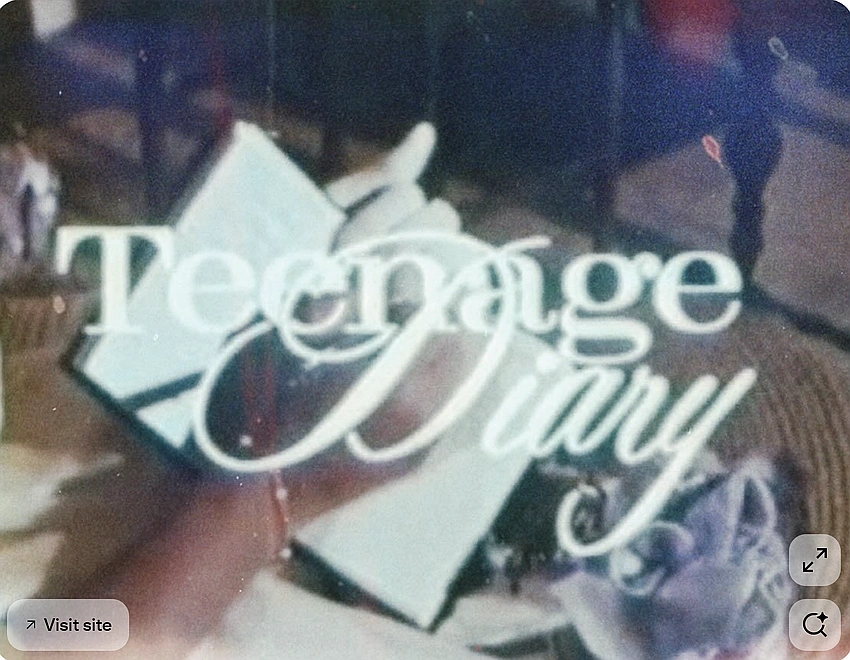
TV as a Parallel Diary
TV as a Parallel Diary
How we're measuring our own lives against some scripted milestones like first love, first heartbreak, first glow up, etc.
We all carry private diaries in the back of our minds subconsciously. Such as those moments, hopes, regrets, those "I should have" thoughts, and even grocery lists. But over the time, I'm realising that they're all going in sync with the shows and movies I'm watching on TV. I'm trying to relate it to my own life and trying to live by it side by side.
It's not always being done consciously. It sometimes reaches in that subtle way of "have I had my first love yet?", "was my best friend secretly in love with me too?", "am i a dork?" and all such kinds of thoughts invading our minds subconsciously.
These are all universal experiences, touchpoints in the emotional life of youth. And when the show is good, they feel inevitable: everyone falls in love, everyone has heartbreak, and everyone becomes someone else. TV normalizes these arcs and tells us, in effect: these are the markers of “growing up.”
But then those markers start becoming checkpoints in life where we're comparing our lives to that of fictional stories, such as, "I'm 22, and still no serious love yet, am I late?", "I haven't gotten that Madison Beer type of glow up yet what am I even doing in life?".
So when we see a TV character have a dramatic first love at 17, we internalize that as if it’s a “should.” When we don’t hit that milestone, we feel delayed, unfinished.
Here are a few of the scripted milestones TV tends to offer us, and how they don’t always map to real life:
- First love: In TV, this is often idealized as passionate, defining, and transformative. In real life, it might be awkward, confusing, or fade quietly.
- First heartbreak: The trope demands loads of tears, and betrayal. In contrast, real heartbreak can be dull, slow, and lingering without closure.
- Glow-up / Transformation: Shows absolutely love a makeover montage. But real growth is internal, gradual, and sometimes invisible to others, and often not in time for the season finale.
- The reunion / reconciliation: TV gives second chances with dramatic confessions. Reality often gives silence, or doors that never even reopen.
And just because TV boxes life into these moments, we forget the gaps in between, and sometimes those gaps are where the real stories are lying in our point of life.
When we measure ourselves against a parallel diary, a lot of pressure builds into your system. You feel late for your life. You feel like you’ve lost time. You keep waiting for your “episode” to arrive. You declare: This year, I’ll have my dramatic change. This year, I'll glow up and become unrecognizable. But real life doesn’t always give us episodes; sometimes it gives pages and paragraphs. And it's a bummer.
We often don’t question this measurement. We don’t realize we’re comparing real life to fiction. We don’t see the editing behind TV transformations, the selected scenes, the dramatic music, the narrative economy, and it's so frustrating!
In studies of social media, heavy exposure to idealized lifestyles correlates with increased life dissatisfaction, depression, and anxiety. (While social media is not TV, the mechanism is similar: artificial portrayals of “best life” get internalized).
If TV can be a parallel diary, then maybe we can rewrite how we respond to it. And here are some steps toward freeing ourselves from the pressure of comparison:
- Recognize the narrative structure
Acknowledge how TV compresses time, heightens emotions, picks scenes. Remind yourself: your life isn’t directed for dramatic effect or a netflix series. It's supposed to be real and messy.
- Pause and reflect
When you catch yourself feeling behind, pause. And ask yourself: Who wrote this timeline? Whose expectations am I following?
- Celebrate your gaps, not resent them
The time when nothing big seems to happen is quite formative too. The quiet growth, the small shifts, they matter.
- Build your own milestones
Instead of waiting for a “first love,” you could choose: first time I stood up for myself, first time I let go, first time I created something. Let your milestones reflect you. That's the best thing you can do for yourself.
Your life is not a season of a show. You don’t have to hit all the romantic beats by episode 4 or 5. You can write your own arcs. You can pause, reroute, change characters, or even step off the screen entirely for a while. It's all in your hands.
So yes: enjoy your favorite shows. Let them accompany you. But don’t let them measure your worth. Let them remind you that stories are ours to tell, not templates that we have to live by.
Because your diary, your messy, unscripted, wonderful life, deserves more than just comparison. It deserves your own narrative.
