Indore’s Clean Sweep! How This City Beat Everyone Else—Again And Again

Indore’s Clean Sweep! How This City Beat Everyone Else—Again And Again
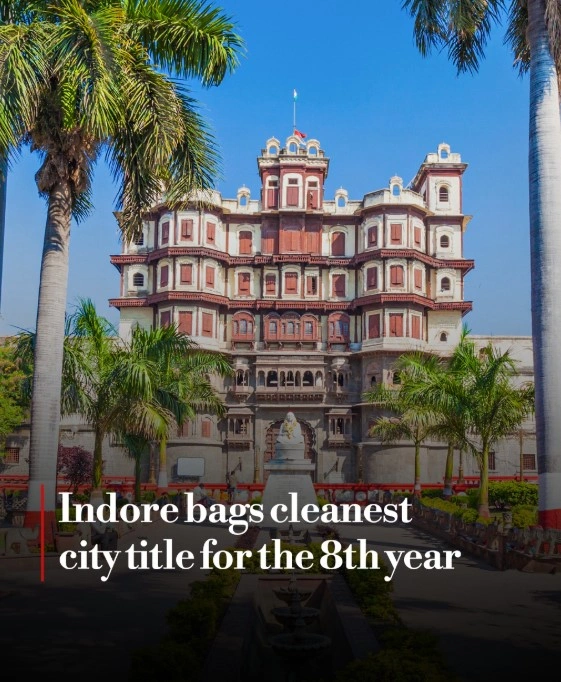
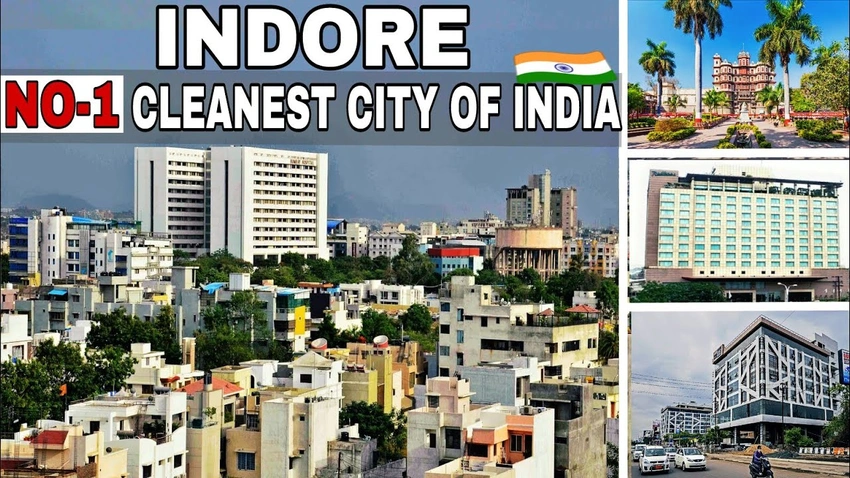
Indore was declared India’s cleanest city for the eighth time running in Swachh Survekshan 2024-25, setting a national record and sparking civic pride across India
Indore has once again made headlines, not just for winning, but for rewriting what urban cleanliness looks like in India. In Swachh Survekshan 2024-25, Indore was crowned the cleanest city in India for the eighth consecutive time, setting a new national benchmark and kindling civic pride across the nation.
To truly appreciate this achievement, it helps to look back at where Indore began. In 2016, it languished around 25th place. By 2017, it had rocketed to first and has stayed there ever since. This dramatic turnaround stemmed from a thoughtful, long-term civic strategy like transforming infrastructure, governance, and citizen behaviour.
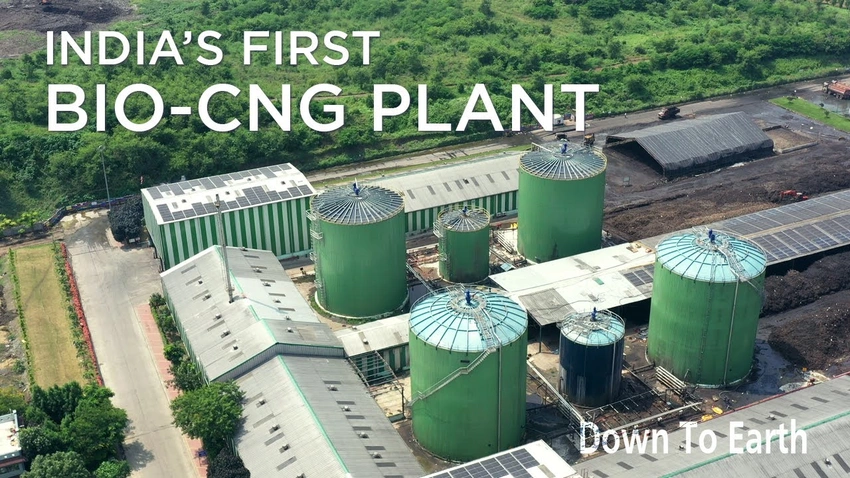
At the heart of Indore’s success lies its structured waste management system. The city maintains 100 percent door-to-door collection and full segregation of waste at source like dry, wet, plastic, e-waste, sanitary, and hazardous, ensuring almost everything gets processed, composted, recycled, or converted to energy. The bio‑CNG plant, one of Asia’s largest, turns wet waste into clean fuel powering public buses, significantly reducing carbon emissions. Infrastructure, however, would have been meaningless without deep citizen engagement.
Indori residents don’t just put bins out rather they take pride. School pledges, temple campaigns, and residential welfare initiatives show ownership. Some people even stop mid-drive to collect a stray piece of litter, and the result is genuine civic ownership.
A key ingredient is cultural reinforcement, through music. Rishikesh “Rishiking” Pandey’s anthems, most notably “Ho Halla!”, “Hai Halla!” and the 2024 anthem “Halla Bol, Swachhta ka Sirmaur Indore”. Pandey told Times of India, noting his songs:
Instilled long-lasting behavioral changes among every generation.
That artistic infusion became a civic pulse. As Times described:
This song, heard repeatedly, has now captured our hearts.
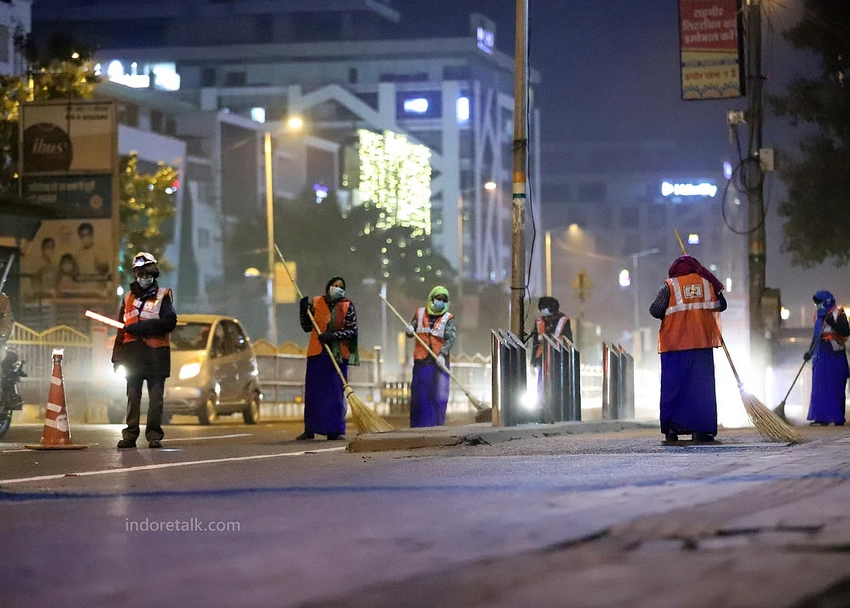
Technology and enforcement played supporting roles like GPS‑tracked garbage trucks, real-time command‑center monitoring, nightly road washing, CCTV-enabled fines, and designated zero‑waste zones in slums, markets, and the zoo. Frontline ‘safaimitras’ carry out multi-shift sweeps, and incentives and transparency foster public trust.
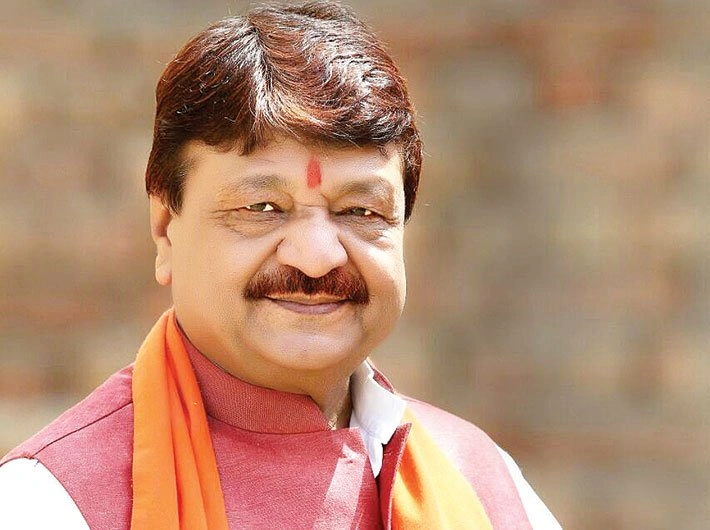
Strong political leadership and teamwork amplified these systems. Urban Minister Kailash Vijayvargiya stressed:
People of Indore truly love and respect their city… Public involvement is paramount for the success of such a large‑scale campaign.
Mayor Pushyamitra Bhargava declared:
Indore has now assumed the role of a mentor for other cities, sharing its successful cleanliness strategies.
Meanwhile, in New Delhi during the awards ceremony, sanitation worker Sarita Khare, part of the delegation, said she felt:
Immense pride and joy.
President Droupadi Murmu, who presented the award, emphasized the deeper significance:
Cleanliness is one of the most important aspects of the Viksit Bharat 2047 vision in 2025, the country witnessed a wonderful confluence of cleanliness and faith.
Looking ahead, Indore isn’t resting on its laurels. The city is expanding ‘Water+’ initiatives, including sewage treatment and reuse. Pollution reduction is another focus like shifting diesel buses to CNG and electric, promoting rooftop rainwater harvesting, and enforcing anti-honking rules.
So, what does Indore’s path teach other Indian cities? First is long‑term systems, not one‑off drives. This means comprehensive waste segregation, decentralized compost and bio‑gas plants, and smart technology for tracking and monitoring. Second is citizens must feel ownership, not obligation. Indore’s musical anthems, community slogans, and local celebrations transformed cleanliness into a shared cultural identity.
From a pollution standpoint, bio‑fuel production and composting reduce landfill methane and particulate emissions. Treated sewage used for greening offsets municipal water usage. This shows how cleanliness and sustainability can coalesce into a healthier urban environment.
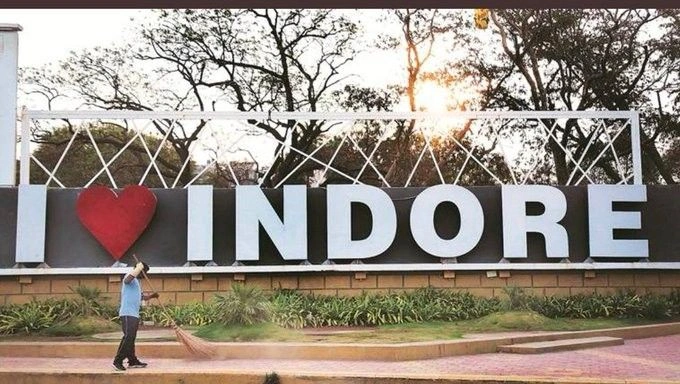
In the arc of India’s urban transformation, Indore’s clean sweep is more than a headline, it’s a living guidebook. Eight consecutive years of glory aren’t luck, but they’re the result of smart infrastructure, cultural strategies, leadership, and collective will. If even a fraction of Indian cities adopt these practices, the nation can dramatically reduce pollution and unlock healthier, more livable urban life for millions.
Let us know how can we achieve cleanliness in our cities!
#Indore #SwachhSurvekshan #CleanCity #CivicPride #UrbanCleanliness
