Dire Wolf Revival Firm Eyes Blue Antelope as Next De-Extinction

Dire Wolf Revival Firm Eyes Blue Antelope as Next De-Extinction
A leading de-extinction company behind reviving the dire wolf now targets Africa's bluebuck for its next project, igniting debate on feasibility and ethics.
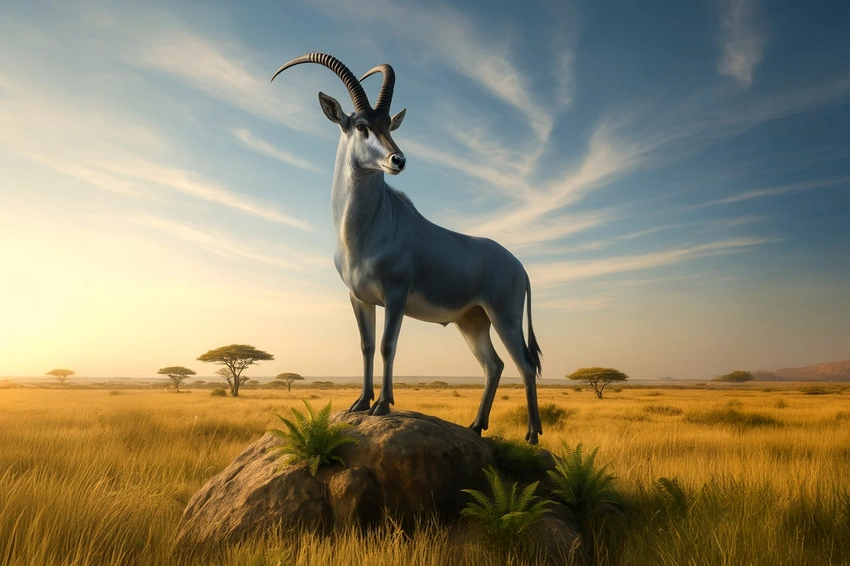
A leading de-extinction company, famous for reviving the dire wolf, has announced its next target: Africa's bluebuck, also known as the blue antelope. The move signals an ambitious expansion into new species and has sparked global conversation about feasibility, safety, and the ethical bounds of resurrecting extinct animals.
The bluebuck disappeared in the late 19th century after intensive hunting during colonial times. Restoring this antelope would require advanced genome work, careful cloning or embryo techniques, and a robust plan for how such a creature would fit into modern ecosystems.
Proponents argue that de-extinction could restore lost ecological roles, attract public interest, and unlock new funding for biodiversity. Critics warn that resources could be redirected toward protecting existing species and that reintroducing extinct animals could lead to unpredictable ecological outcomes and new regulatory challenges.
Experts emphasize the need for caution, noting that a successful genetic restoration is only the first step. Questions remain about habitat availability, interactions with current wildlife, disease risks, and long-term monitoring. They call for transparent governance, independent reviews, and rigorous risk assessments before any real-world actions.
For now, the company describes the plan as early-stage, outlining steps that would include sequencing the bluebuck genome, exploring editing techniques, and establishing an ethical oversight framework. If realized, the bluebuck effort would represent a milestone in de-extinction research, testing the practical boundaries of what conservation biology can achieve.
