Del Toro’s Frankenstein In The Age Of Classic Emotion

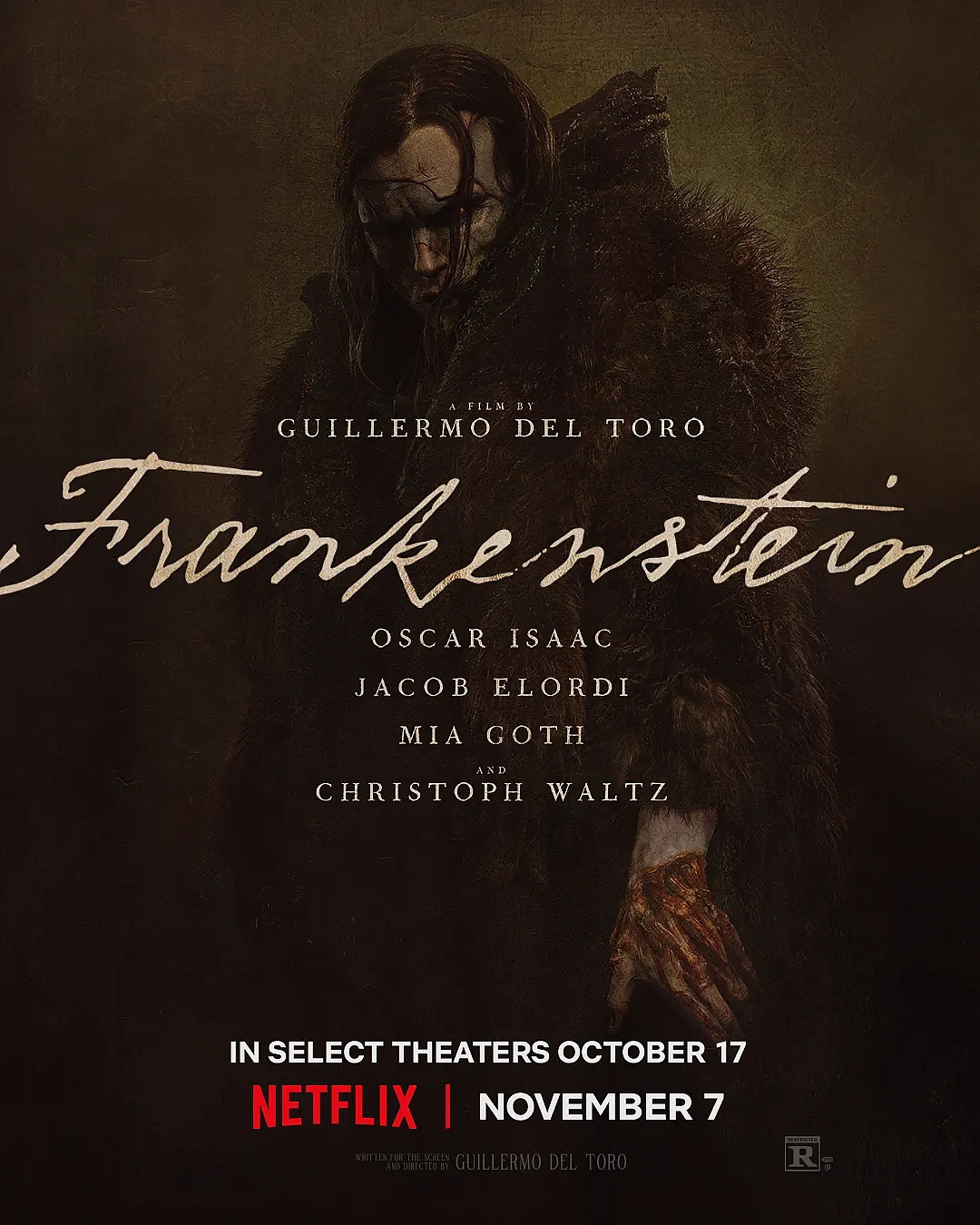
Del Toro’s Frankenstein In The Age Of Classic Emotion
Del Toro’s Frankenstein In The Age Of Classic Emotion
Guillermo del Toro finally brings Frankenstein to Netflix, after a decades-long dream. This Venice 2025 premiere signals a tender, fierce reimagining that expands Shelley's questions about creation, power, and fate.
As a literature student who has dog-eared my copy of Mary Shelley’s Frankenstein; or, The Modern Prometheus more times than I can count, watching Guillermo del Toro finally bring this Gothic titan to screen feels deeply personal. Del Toro has long said that Shelley’s novel is, to him, “the Bible.” His lifelong fascination with the story and especially with the Creature finds its fullest expression in this 2025 adaptation.
A Lifetime Project Comes Alive
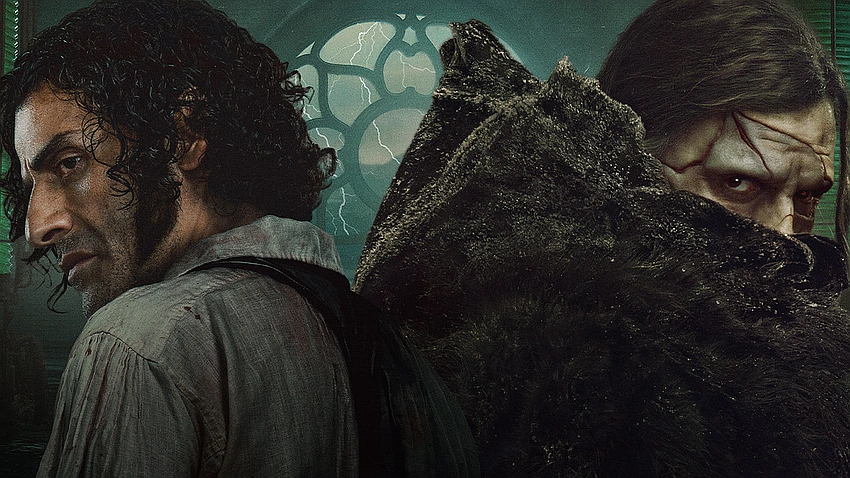
Del Toro’s Frankenstein is the culmination of a decades-long creative journey. Having nurtured this project for more than a decade, he finally realised his “dream” on Netflix. The film debuted at the 82nd Venice Film Festival on 30 August 2025 to a 13-minute standing ovation.
Del Toro’s reverence for the source material is evident, but so is his willingness to “sing it back in a different key,” as he puts it. He is not striving for slavish fidelity; rather, he wants to capture the “existential, tender, savage, doomed questions” that haunted him since childhood.
Not Horror But Deeply Emotional
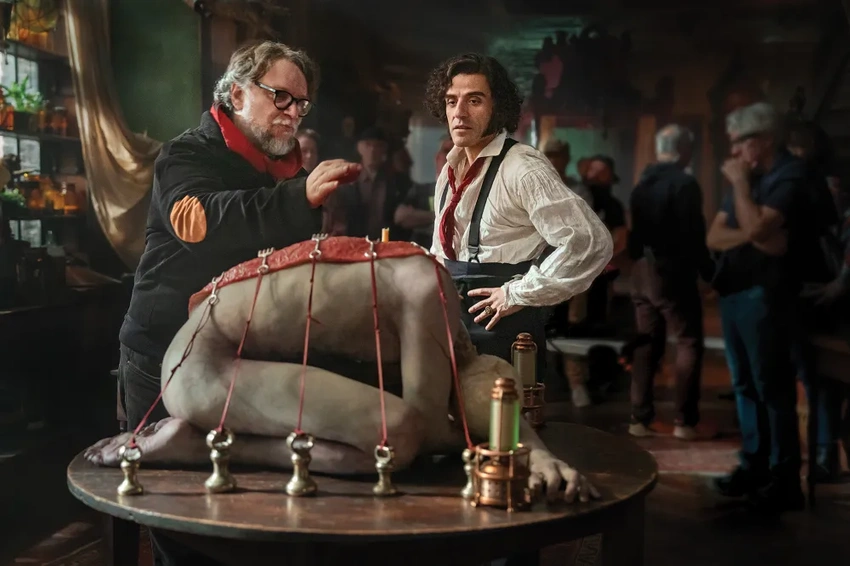
One of the most striking things Del Toro emphasises is that his Frankenstein is not a horror film. Rather, he describes it as an emotional, character-driven drama: questions of fatherhood, creation, and belonging dominate. He even clarifies that although the story may feel timely, perhaps resonant in our era of artificial intelligence, it is not an AI metaphor. Del Toro is more interested in the imperfect humanity of his characters: “the right we have to remain imperfect, and the right we have to understand each other under the most oppressive circumstances.”
Literary Themes Through a Gothic Lens
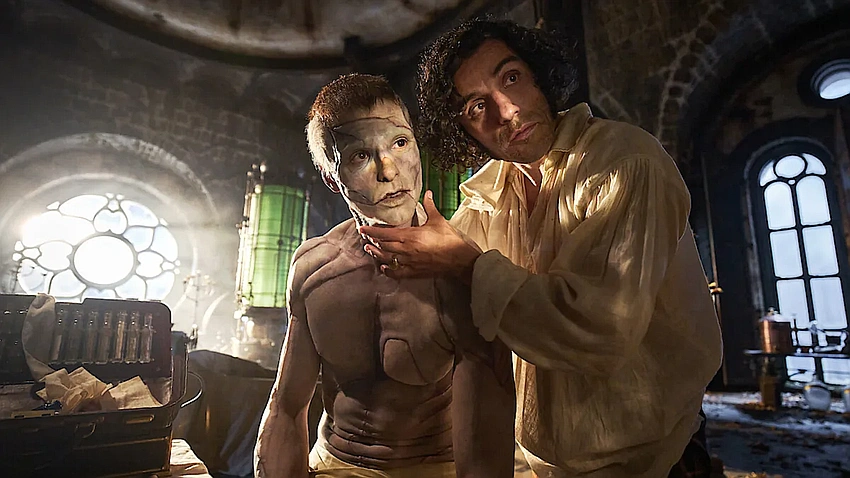
From a literary perspective, del Toro’s adaptation reverberates profoundly with Shelley’s original concerns: ambition, isolation, and the moral burden of creation, but he weaves in his trademark motifs. The Creature (played by Jacob Elordi) is depicted with compassion, grace, and a yearning intelligence, rather than as a brute. Critics note his self-healing wounds and “watery eyes,” and a loneliness that feels both timeless and modern.
Del Toro retains the frame-narrative structure inspired by Shelley’s novel, beginning with a polar expedition, for instance, but reinterprets it. In his version, Victor Frankenstein’s obsession is not only scientific, but deeply personal: he is pursuing life to make sense of his own loss, grief, and absence as a son.
A Feast of Colour and Decay
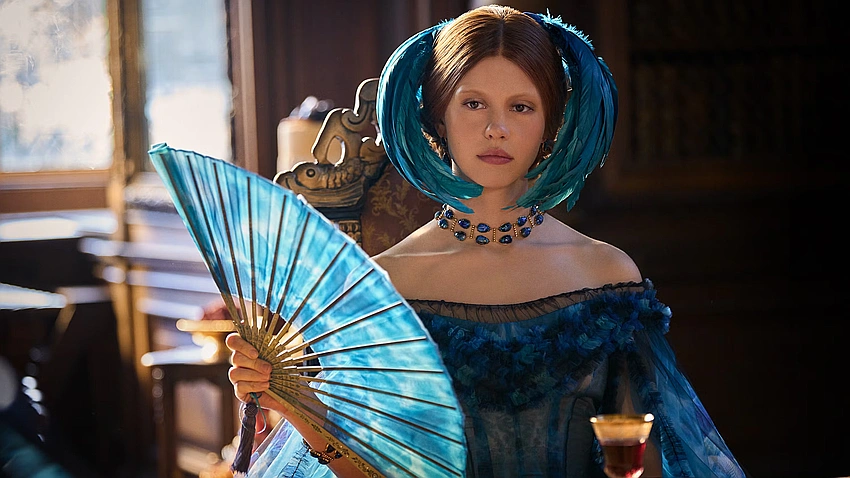
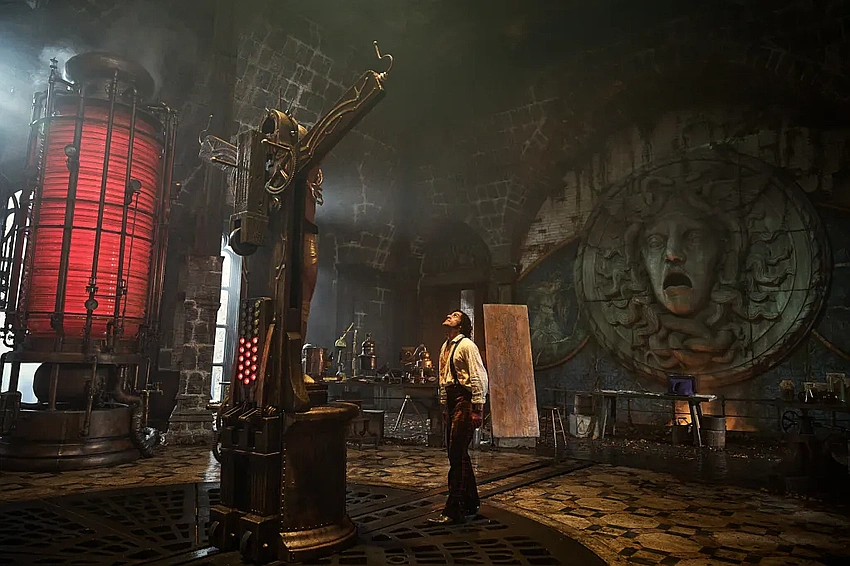
From a pop-culture enthusiast’s perspective, this film is visually sumptuous. Del Toro rejected the idea of a “pastel-coloured period piece,” opting instead for lush, moody, gothic aesthetics that feel alive. His production design, practical effects, and attention to tactile detail, “lots of squishy bits and leaky bits,” as actor Oscar Isaac described, make the process of creation visceral and poignant.
Every drop of blood, every wound, is emotionally freighted. As The Washington Post observes, the film “bleeds … but most of all … bleeds its heart.” The visual language becomes part of the emotional grammar: decay is beauty, and monstrosity is a mirror.
Redemption, Forgiveness, and a Hopeful Ending
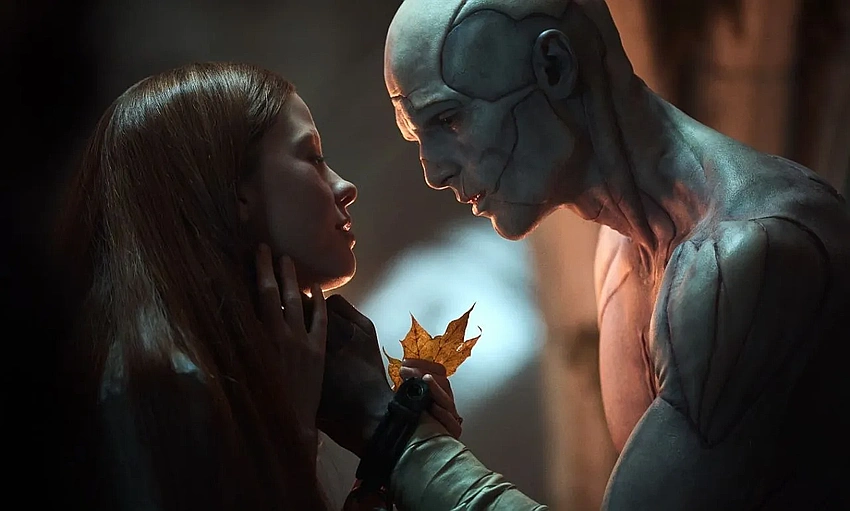
Perhaps the most radical or at least most touching departure from Shelley’s novel is the ending. Without giving away too many spoilers, Del Toro offers a reconciliation between creator and creation that Shelley’s original did not grant. Rather than eternal despair, Del Toro’s Creature accepts forgiveness, and there is a symbolic sunrise that suggests healing, not annihilation.
For a literature student, this re-imagined conclusion reads almost like a reinterpretation of the Promethean myth through a redemptive Christian or humanist lens: the creator admits his faults, the created learns to forgive, and the cycle of suffering is not sealed forever.
Why This Frankenstein Matters Today
From my vantage point as someone who devours Gothic novels, watches films, and studies Romantic literature, Del Toro’s Frankenstein feels both generational and deeply personal. It comes at a moment when questions of otherness, belonging, and empathy are urgent. It reclaims the Creature as a horror icon, but also as a being worthy of love, respect, and understanding.
As del Toro himself put it, we are all “creatures lost and found.”In a world that often demands perfection, his film says: it’s okay to be flawed. It's okay to be grieving. It’s okay to seek redemption.
Guillermo del Toro’s Frankenstein is a dialogue with Mary Shelley’s novel, with the monstrous other, and with ourselves. If you go in expecting jump scares, you might be surprised. But if you’re open to a deeply felt exploration of creation, isolation, and forgiveness, then Del Toro’s Frankenstein may well re-ignite your awe for Shelley’s timeless vision.
#GuillermoDelToro #Frankenstein #Venice2025 #NetflixFilm #GothicCinema #MovieReview #FilmReview #JacobElordi #MiaGoth #OscarIssac
