SC: Original Sabarimala PIL Should’ve Been Binned, Bench Says

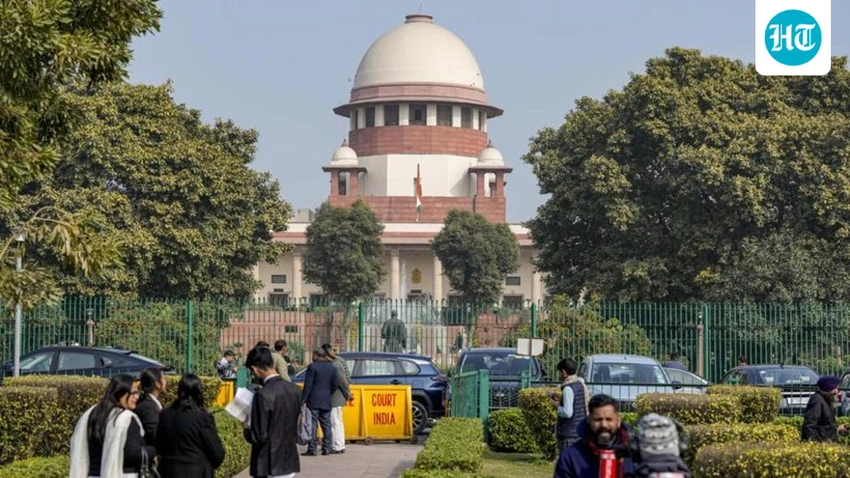
SC: Original Sabarimala PIL Should’ve Been Binned, Bench Says
The Supreme Court slammed the 2006 Sabarimala PIL as meritless and based on unverified material, signaling renewed scrutiny of how petitions are entertained in landmark religious freedom cases.
A nine-judge bench of the Supreme Court today questioned the very foundation of the 2006 public interest litigation that culminated in the 2018 ruling permitting women of all ages to enter Kerala’s Sabarimala temple. The court noted that the petition ought not to have been entertained at all and that the material on record did not merit judicial consideration. We entertained the PIL based on these kinds of documents, which should have been thrown in the dustbin outright, the Chief Justice of India observed, signaling a sharp rebuke of the petition’s basis. Justice Nagarathna added that rather than ensuring security to the petitioners, there could have been no security threat at all if the petition had not been entertained. The bench also pointed to a 2016 order that had guaranteed the security of association officers, noting the court would proceed with the matter even if the association wanted to withdraw its plea. Justice Sundresh described the case as reflecting an abuse of the process of law, framing a broader critique of how such PILs were used to spur significant religious freedom questions.
The remarks came during hearings on a batch of matters arising from Sabarimala review proceedings and connected questions on the scope of religious freedom. The advocates for the Indian Young Lawyers’ Association (IALA), which had filed the original petition challenging the exclusion of menstruating-age women from the hill shrine, argued for continued consideration in the name of public interest. The bench’s forceful language underscores a growing judicial emphasis on the evidentiary and documentary basis of PILs, particularly when they touch on deeply sensitive religious and social issues. While the Court did not reverse the 2018 ruling in this hearing, its pointed critique signals that future PILs in similar spheres will face heightened scrutiny and stricter standards for admissibility and reliance on verifiable material. The development could influence how petitions are drafted, filed, and defended in high-stakes constitutional and religious freedom cases across the country.
