ISRO's New Horizon: Success & Staff Concerns Amidst Policy Shift!

ISRO's New Horizon: Success & Staff Concerns Amidst Policy Shift!
India's space agency ISRO celebrates a successful launch, but new policies focusing on privatization raise employee concerns. Chairman reassures, outlining a vision for an expanded space ecosystem. Dive in for details!
In a week marked by both triumph and introspection, the Indian Space Research Organisation (ISRO) achieved a significant milestone with the successful launch of its first geosynchronous imaging satellite, EOS-05, aboard a GSLV rocket. This accomplishment, however, coincided with mounting concerns from its employee associations, who are seeking urgent clarity on the organization's evolving long-term strategy.
The recent Indian Space Policy, unveiled in April 2023, signals a clear strategic pivot for ISRO. Taking inspiration from agencies like NASA, the policy envisions ISRO gradually stepping back from commercial satellite manufacturing and rocket launches. Instead, the focus is slated to shift towards more ambitious exploratory missions and 'moonshot' projects, pushing the boundaries of space research.
This strategic realignment aims to leverage the private sector for mature technologies, allowing ISRO to concentrate on cutting-edge research and development.
This shift, while presented as a step towards expanding India's overall space ecosystem, has sparked apprehension among ISRO's workforce.
A letter co-signed by nine employee associations, addressed to the chairman, highlights critical concerns regarding staff-strength, future recruitment, and the outsourcing of core functions.
The underlying fear, though unstated by official channels, points to potential job losses as private industry takes on a larger role in what were traditionally ISRO's domains.
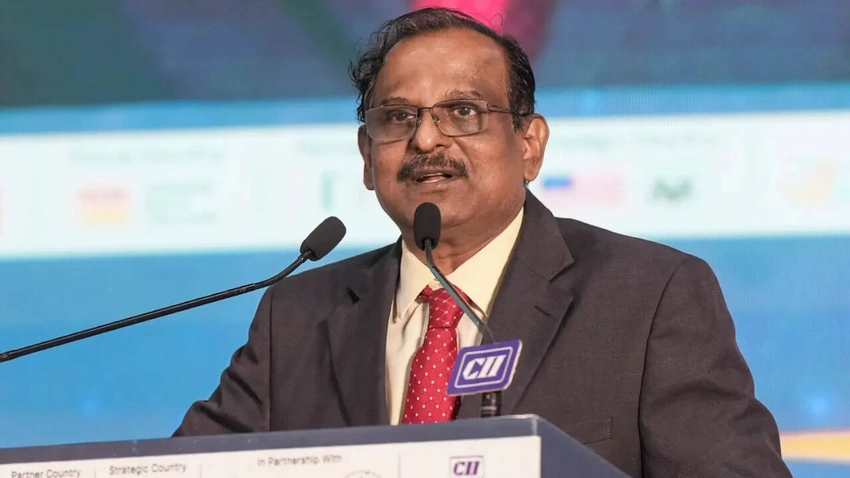
ISRO officials, including chairman V. Narayanan, have been quick to offer reassurances. Narayanan affirmed that ISRO remains a government organization and will not be privatized or diminished.
He emphasized that the increased private sector involvement is crucial for expanding India's burgeoning space ecosystem. He also clarified that while the industry scales up mature technologies, ISRO will intensify its focus on advanced research, frontier technology development, and boosting launch vehicle production to meet national requirements.
The establishment of IN-SPACe, a body designed to facilitate private participation in the space sector, echoes this sentiment, asserting that ISRO's role will not be reduced. However, both ISRO and IN-SPACe have largely remained silent on the direct implications for employee job security, which remains the core grievance.
This strategic recalibration brings to light an inherent tension within ISRO's mandate.
The agency was founded on the principle of using space technology as a tool for social development, not merely for international space races.
The current direction, while aiming to solidify India's position as a major space-faring nation with a growing ecosystem of private 'space startups,' raises questions about how this new vision aligns with its original, development-focused ethos. Historically, ISRO has had a strong manufacturing relationship with the private sector, but the current policy signals a deeper integration and shift in responsibilities, marking a new chapter for India's premier space agency.

Login to comment.
No thots yet. Be the first to share your thoughts!