Queer Behind the Seams: The LGBTQ+ Designers Who Quietly Shaped Modern Fashion
Queer Behind the Seams: The LGBTQ+ Designers Who Quietly Shaped Modern Fashion
Queer Behind the Seams: The LGBTQ+ Designers Who Quietly Shaped Modern Fashion
Fashion has always been a language: one that speaks in silk, sequins, and structure. But behind the shimmering runways and red carpets, there lies a truth that often goes unspoken: queerness has always been part of its very fabric. The LGBTQ+ community hasn’t just participated in fashion; it has defined it, liberated it, and reimagined it for every generation that has followed.
Yet for so many decades, queer influence in fashion remained both obvious and invisible: seen in the audacious designs and gender-fluid silhouettes, but rarely acknowledged in public conversations. Today, as the industry slowly reclaims and celebrates its queer roots, it’s worth asking: what does it mean to dress the world in queerness?
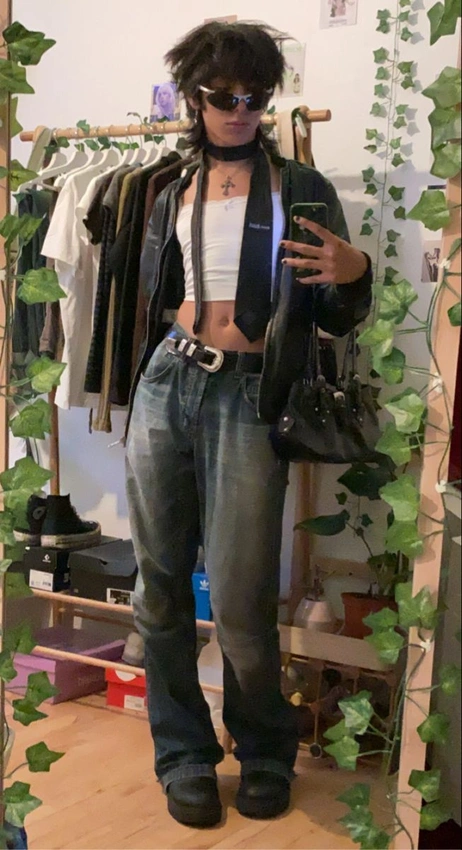
Long before “genderless fashion” became a whole marketing term, queer designers were already bending and breaking gender binaries through fabric.
Christian Dior’s “New Look” in the 1940s may have symbolized post-war femininity, but it was his openly gay protégé, Yves Saint Laurent, who revolutionized the idea of what women could be in clothes. When YSL introduced the tuxedo suit for women in 1966: “Le Smoking”, it wasn’t just a fashion statement; it was an act of rebellion.
Saint Laurent blurred the lines between masculine and feminine, saying through his work: style has no gender. It was a quiet, radical queerness stitched into every seam: one that allowed women to inhabit strength, and men to flirt with softness, without apology.
Then came Gianni Versace, whose world was unapologetically sensual, theatrical, and defiant. Versace turned the runway into a stage for empowerment: with supermodels strutting in metallics, bondage belts, and Greco-Roman prints that celebrated the human body in all its erotic glory. His designs rejected shame and restraint: a reflection of his identity as a gay man who refused to be hidden or “toned down” in an industry that often demanded conformity.
When Versace was murdered in 1997, Elton John said, “He was the most courageous designer I’ve ever known.” And perhaps that’s the truest legacy of queer designers, not just beauty, but bravery.
For queer people, clothing has always been more than fabric: it’s been armor, expression, and sometimes, survival.
Historically, the queer community used fashion as both camouflage and revelation. During the Harlem Renaissance in the 1920s, drag balls and underground fashion shows became safe spaces where Black and Latino LGBTQ+ people could create their own aesthetic language: one rooted in joy, resistance, and self-invention.
They weren’t just creating clothes, they were challenging who got to wear them, how, and why. In an era obsessed with traditional beauty, their collections screamed: we exist, and we’re extraordinary. And that makes it all the more beautiful.
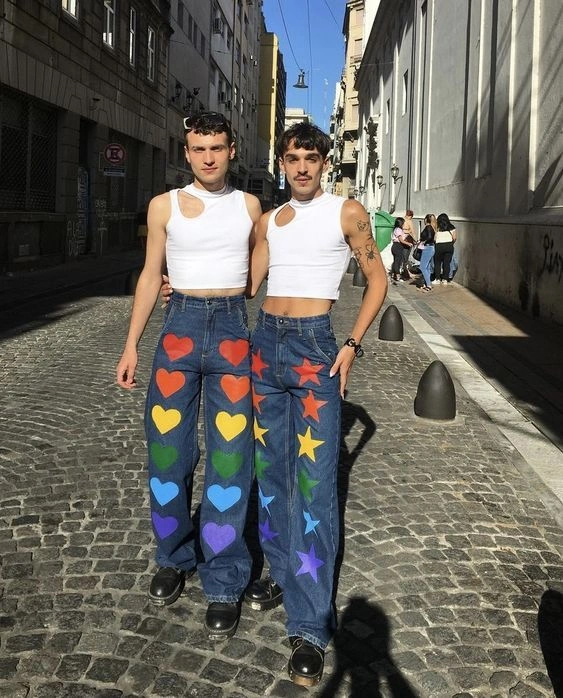
Fashion today is finally catching up to what queer creators have always known: gender, identity, and beauty are fluid. The catwalk is no longer just a straight line: it’s a spectrum.
According to a 2024 BoF (Business of Fashion) report, more than 57% of major fashion houses have incorporated “gender-fluid elements” into their collections in the last two years. And yet, this isn’t simply an aesthetic trend, it’s a cultural reckoning.
You can see it in Thom Browne’s skirts for men, Bimini Bon-Boulash’s couture statements, and even in how red carpets have evolved. When stars like Billy Porter wore a tuxedo gown at the Oscars or Harry Styles posed in pearls on the cover of Vogue, they weren’t just playing dress-up, they were rewriting who gets to perform beauty.
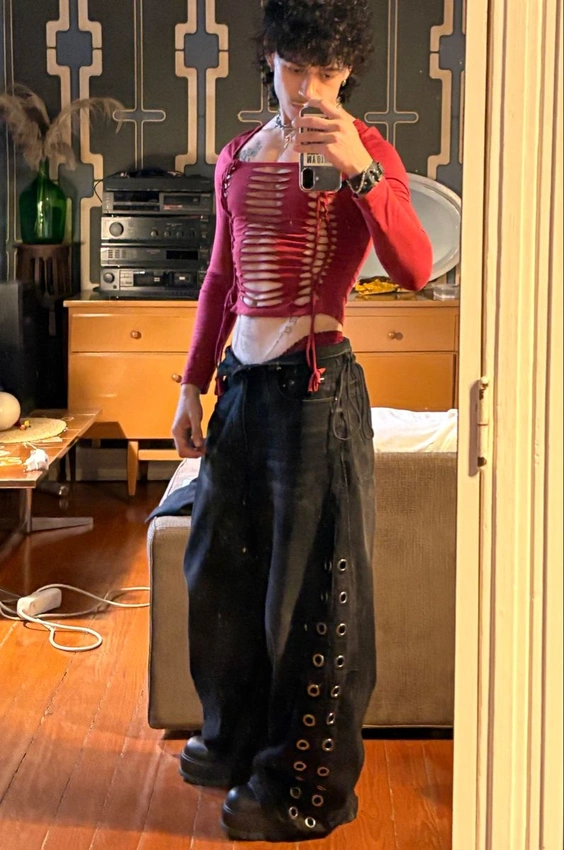
When we talk about queer fashion, we’re not just talking about clothes, we’re talking about liberation stitched into every thread. We’re talking about the freedom to be, to feel, to wear who you are.
As Harris Reed said in a Vogue interview, “I’m not trying to shock the world. I’m trying to soften it: with fabric, with love, with visibility.”
The truth is: queerness was never just behind the seams.
It was, and always will be, the very soul of fashion.
