Penguin Family Tree Gets an Epic Update: What it Means for Conservation
Penguin Family Tree Gets an Epic Update: What it Means for Conservation
Groundbreaking genetic research reveals what we thought was one gentoo penguin species is actually four! This isn't just cool science, it's vital for their survival. Get the details.
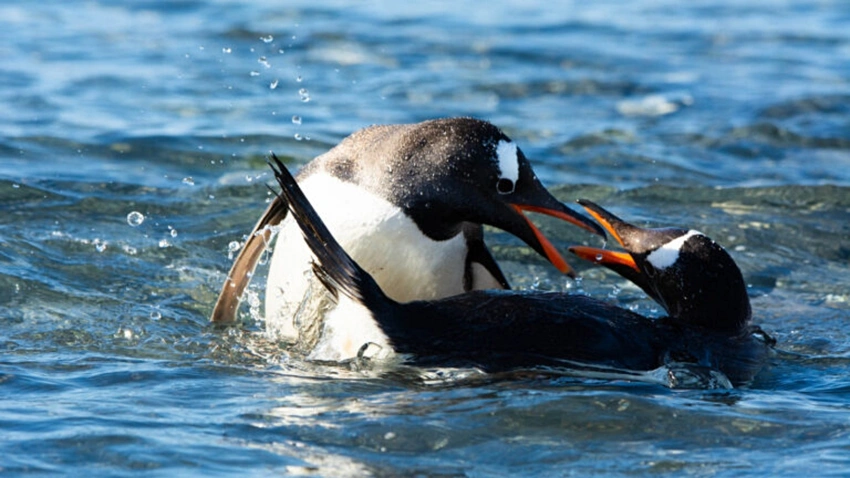
Imagine thinking you know someone, only to discover they have three long-lost siblings you never knew existed. That's essentially what just happened in the world of penguins. For over a century, we've classified gentoo penguins across the Southern Ocean as a single species.
But now, thanks to cutting-edge genomic analysis, we're realizing that this single species is, in fact, four distinct species .
This isn't about finding entirely new, visually unique penguins waddling around. The revelation lies in their DNA. The newly described species, Pygoscelis kerguelensis , or the southeastern gentoo penguin, lives on the remote Kerguelen Islands in the Indian Ocean, about 1,200 miles north of Antarctica.
This remote location, among the most isolated places on Earth, played a crucial role in its distinct evolution.
Researchers discovered that what we broadly called 'gentoo' actually comprises the northern gentoo ( Pygoscelis papua ), the southern gentoo ( Pygoscelis ellsworthi ), the eastern gentoo ( Pygoscelis taeniata ), and the now formally recognized southeastern gentoo ( Pygoscelis kerguelensis ). These species diverged roughly 300,000 to 500,000 years ago, primarily due to geographic isolation and environmental pressures.
The Antarctic Polar Front, acting as a natural barrier, further helped keep populations separate.
So, why does this matter beyond scientific curiosity? It's huge for conservation. These newfound classifications mean we've been operating with an incomplete picture.
Treating four separate species as one risks overlooking the specific threats and needs of each.
"What was considered a single species is actually four distinct species", and each deserves tailored protection.
The southeastern gentoo is a classic example of a 'cryptic species', one that looks remarkably similar to its relatives but is genetically distinct. While there are only subtle differences in size and vocalisations, the genetic disparities are clear, influencing traits like thermoregulation, oxygen transport, and metabolism. These adaptations, honed over hundreds of thousands of years, are critical for their survival in their unique habitats.
Surprisingly, the specimens for Pygoscelis kerguelensis have been sitting in collections since 1897! Scientists had them, but lacked the genomic tools to understand their true identity. This highlights how modern genetic research can unlock secrets from the past, completely reshaping our understanding of biodiversity.
Moving forward, conservation efforts must adapt.
We can't apply a one-size-fits-all approach when different species face different challenges, from climate change impacts to localized human disturbances.
Understanding these distinct lineages allows us to develop more precise and effective strategies to ensure all four gentoo species thrive.
It's a critical step for safeguarding our planet's incredible biodiversity, one penguin family at a time.
