UK Debates Citizenship Revocation as Alaa Abd el-Fattah Apologizes

UK Debates Citizenship Revocation as Alaa Abd el-Fattah Apologizes
British-Egyptian activist apologizes for past tweets; UK lawmakers weigh revoking citizenship amid security and legal concerns.
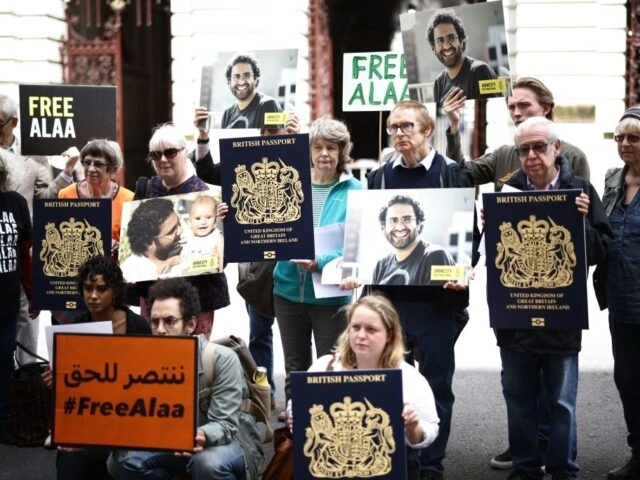
Alaa Abd el-Fattah, a British-Egyptian activist who spent time behind bars for his political work, has publicly apologised for past social media posts that appeared to condone violence against Zionists and police. The apology comes as a rift grows among lawmakers over whether his British citizenship should be revoked and his status in the country.
The push to strip him of his citizenship has gained momentum among senior Conservatives and Reform UK. Abd el-Fattah was granted British citizenship in 2021 under a government immigration policy that allowed mothers to pass on citizenship to their children, even if the child was born abroad. The current debate centers on whether such a revocation is legally possible or proportionate.
Shabana Mahmood, the home secretary, was urged to examine whether Abd el-Fattah’s citizenship could be revoked under the 1971 Immigration Act. But some lawmakers expressed doubts about the idea. The shadow home secretary argued that revoking citizenship from a British-born individual is not straightforward. As one senior figure noted, the letter of the Immigration Act does not simply permit stripping Brits of citizenship; it is narrow and typically reserved for dual nationals or cases involving security threats.
The activist’s supporters point to his legal status and past activism; critics say the tweets reveal troubling views that could threaten public order. One lawmaker argued that to revoke citizenship, a legal framework that targets dual nationals or constitutes a real national security threat would be required. Others warned against weakening the principle that Britons cannot be stripped of their citizenship without robust grounds and due process.
Abd el-Fattah was recently released from prison; his case has drawn attention to how online remarks from years ago can trigger political and security debates now. The issue reflects broader tensions between free speech, public safety, and the responsibilities of dual nationals who hold British citizenship.
As the government weighs the options, the outcome remains unclear. Legal scholars say any move would likely be challenged in court, and many argue that revoking citizenship is a drastic step with serious implications for rights and due process. The story underscores how past online conduct can become a focal point in contemporary politics, especially in a country grappling with security and free-expression questions.
