Untitled

Untitled
There's a reason dermatologists have been recommending hydrocolloid dressings for wound care for over four decades. The technology works at a fundamental biological level to create healing conditions that the body cannot replicate on its own in open air. And when this same technology was adapted for acne treatment in the form of the now-ubiquitous hydrocolloid patch 🔗, it brought genuine wound-care science directly to one of the most common skin concerns in the world.
Here's a deep dive into exactly how hydrocolloid works, why moist healing outperforms dry healing for pimples, and how to use these patches to get the most out of this genuinely effective technology.
The Medical Origins of Hydrocolloid
Hydrocolloid was developed in the early 1980s as a solution to a long-standing problem in wound management. Traditional dry wound dressings, including gauze and standard bandages, created a dry healing environment that was believed to be protective but was actually slowing healing and increasing pain.
Research by dermatologist George Winter in the 1960s established definitively that wounds healed significantly faster under moist, sealed conditions than under dry, open-air conditions. His work on moist wound healing triggered decades of development in occlusive wound dressings, of which hydrocolloid became the gold standard.
Hydrocolloid is a gel-forming polymer, typically based on carboxymethylcellulose, that is absorbent, adhesive, and creates a moisture-balanced microenvironment when applied over a wound. It absorbs exudate from the wound, maintains the ideal moisture level for cellular repair, and creates a physical barrier against secondary contamination.
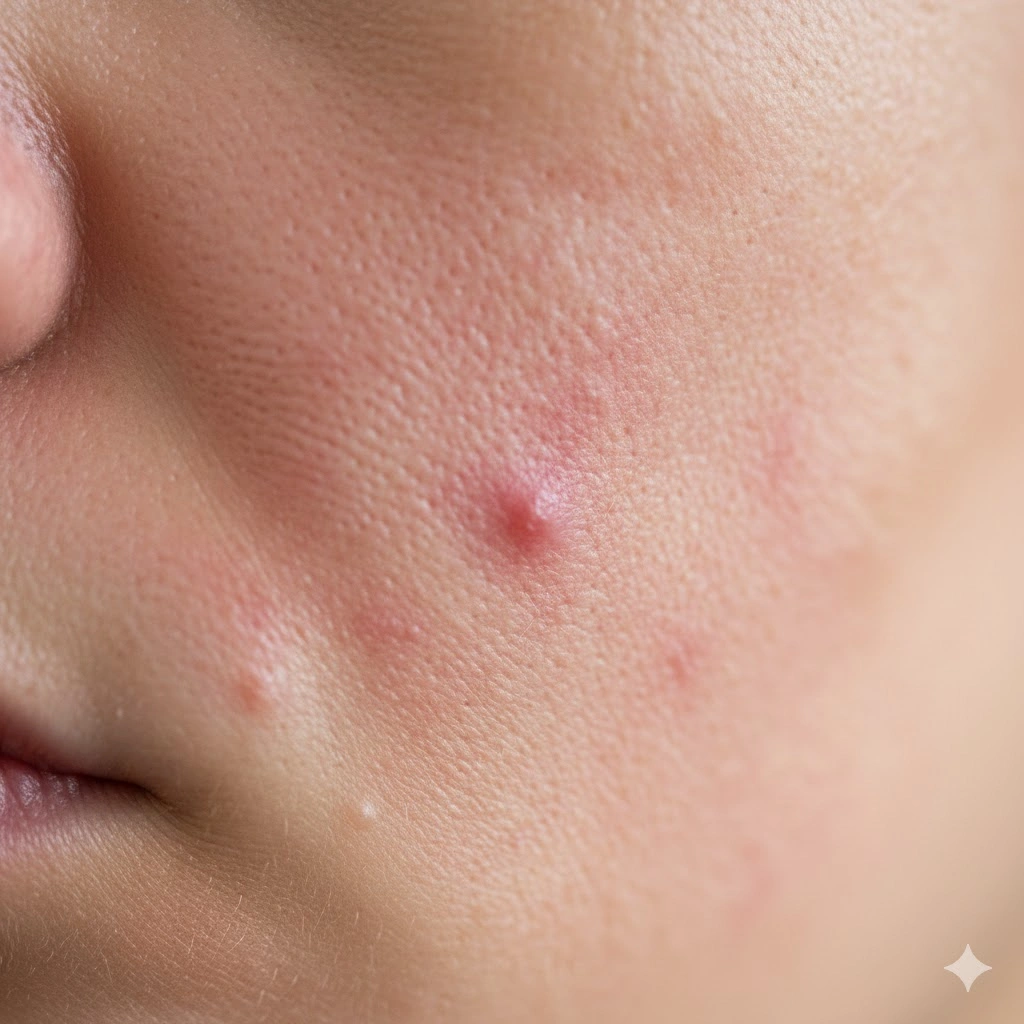
When applied to a pimple, these same mechanisms work directly on the biological processes driving the breakout.
Why Moist Healing Beats Dry Healing for Pimples
When a pimple is exposed to open air, the surface dries out. This slows the movement of immune cells to the site, impairs the enzymatic processes involved in breaking down the inflammatory material inside the follicle, and creates a crust that the body must eventually dissolve and shed before the tissue underneath can complete its repair.
Under a hydrocolloid patch, the microenvironment stays moist. Immune cells move faster and more efficiently through the fluid environment. The autolytic debridement process, where the body's own enzymes break down the pus and inflammatory debris, proceeds more rapidly. The inflammatory content is simultaneously drawn into the patch gel, physically removing it from the site rather than leaving it to be slowly reabsorbed.
The practical result is a pimple that goes through its biological healing process measurably faster than it would without the patch, with less residual redness and a significantly lower risk of post-inflammatory hyperpigmentation.
What That White Dot on a Used Patch Really Means
One of the most satisfying aspects of using a hydrocolloid pimple patch is the visible evidence that it's working. After wearing a patch overnight, you often remove it to find a white or yellow opaque dot where the patch was transparent when applied.
This is the hydrocolloid gel having absorbed the exudate from the pimple. The fluid, pus, and cellular debris that would otherwise have remained in the breakout site has been drawn into and retained within the gel matrix of the patch. This material is now leaving your skin in the patch rather than being slowly broken down and reabsorbed over days.
The degree of whitening indicates how much fluid was present in the pimple. A heavily whitened patch suggests a pimple with significant fluid content that has been substantially drained. A patch with minimal whitening on a deep, non-surfacing pimple confirms that the breakout hasn't come to a head and may benefit from active-ingredient patches rather than standard hydrocolloid.
Choosing Between Standard and Active-Ingredient Patches
Standard hydrocolloid patches rely entirely on the physical mechanism: absorption, sealed environment, and prevention of picking. They are ideal for pimples that have already surfaced, pustules that are ready to drain, and as a skin-saving barrier for chronic pickers.
Active-ingredient hydrocolloid patches add topical actives to the gel matrix that are released slowly into the skin during wear. The advantage of this delivery method is concentration and duration. The active ingredient is applied at full concentration directly to the breakout site and remains in contact with it for the entire wear period without being diluted or rubbed off.
Salicylic acid patches are best for blackheads, clogged pores, and hormonal breakouts along the jaw and chin that tend to be congestion-driven. Benzoyl peroxide patches are most effective for red, inflamed pustules where bacterial activity is the primary driver. Niacinamide patches are ideal for reducing post-inflammatory redness during the final stage of healing.
The Anti-Picking Benefit and Why It Matters for Scarring
Post-inflammatory hyperpigmentation, the dark marks left after pimples heal, is the most common and long-lasting consequence of acne for most people. The single biggest predictor of whether a pimple will leave a mark is whether it was picked, squeezed, or otherwise manipulated.
When you pick a pimple, you create a secondary injury in the dermis that triggers a wound-healing response involving increased melanin production. This is the pigment response that leaves the dark spot. You also drive bacteria and inflammatory material into the surrounding tissue, creating a larger inflammatory zone that takes longer to resolve and leaves a larger footprint of discoloration.
A hydrocolloid patch over a pimple creates a physical and psychological barrier against picking that is remarkably effective in practice. Most people find that once the patch is applied, the tactile stimulus that triggers picking is removed, and the urge diminishes quickly. Over the healing period of the breakout, this hands-off environment makes a visible difference in the size of any post-inflammatory mark left behind.
Final Thoughts
Hydrocolloid pimple patches represent genuine medical technology applied to a universal skincare problem. They are not a gimmick, they are not overpriced stickers, and they are not just for teenagers. They work through well-established wound-care biology to accelerate healing, reduce inflammation, and prevent the picking behavior that causes most acne scarring.
Used correctly and consistently, they are one of the highest-return investments you can make in your skin's long-term clarity.

Login to comment.
No thots yet. Be the first to share your thoughts!